Poison-control calls surge as telehealth weight loss drugs spread
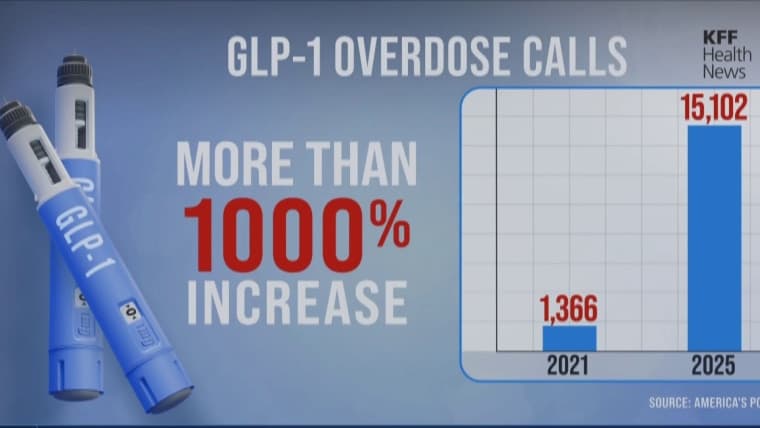
A telehealth-prescribed GLP-1 shot sent Karleigh McClain to the hospital in 24 hours as poison-control calls rose nearly 1,500%.
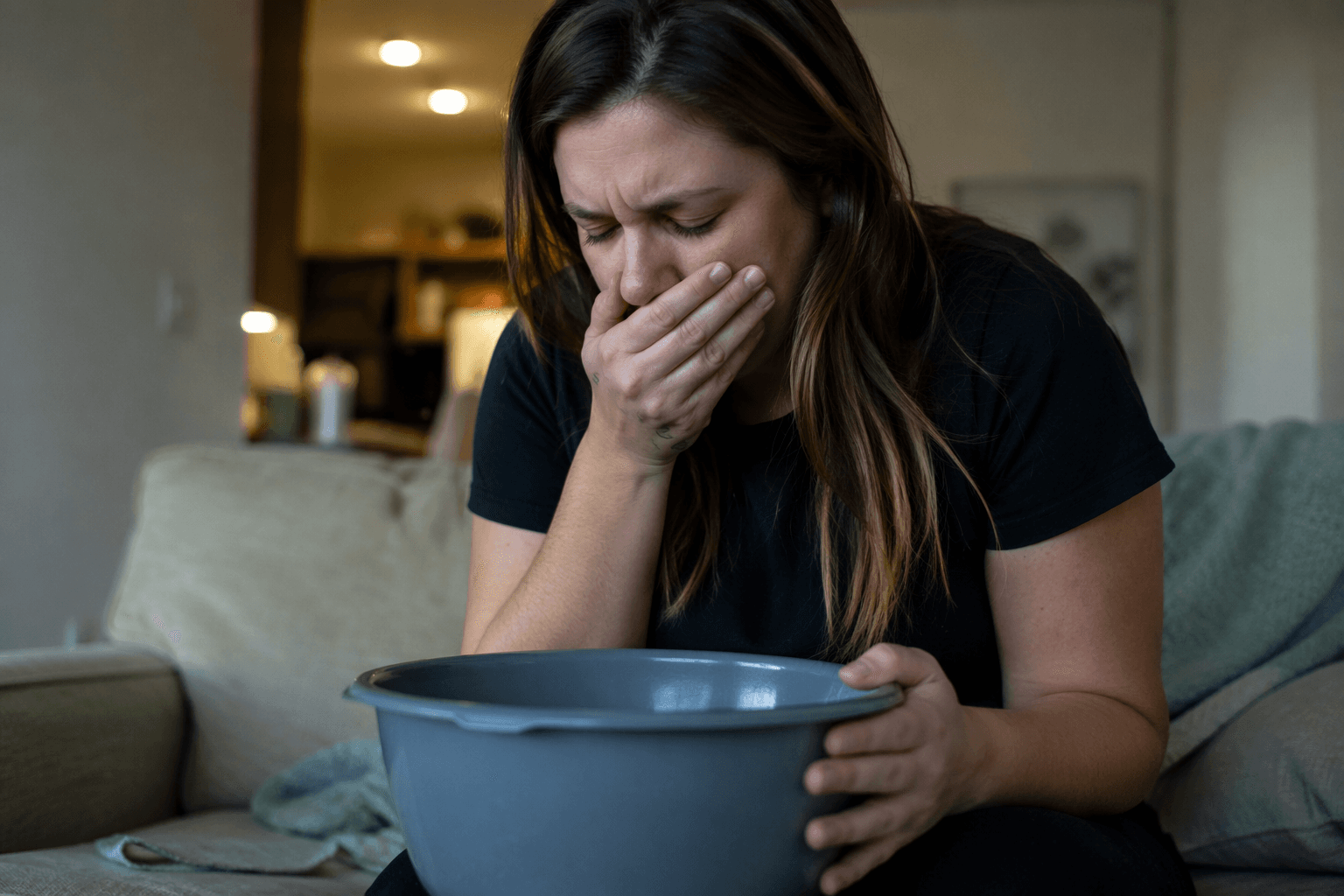
A telehealth-prescribed weight-loss shot sent Karleigh McClain to the hospital within 24 hours, after the 31-year-old compliance consultant from Hendersonville, Tennessee, said she could not stop vomiting and believed the dose was too strong. Her case reflects a wider safety problem now surfacing around GLP-1 drugs, where easy access through telehealth firms, online sellers and compounding pharmacies is outpacing the safeguards needed to use powerful medications correctly.
America’s Poison Centers says calls tied to GLP-1 drugs have risen nearly 1,500% since 2019. By April 30, 2025, poison centers had handled 3,633 GLP-1 agonist exposure cases, and the total from 2019 through 2025 reached 22,966. The numbers suggest that even a relatively small rate of misuse can become a broad public health issue when drugs such as Ozempic, Wegovy, Zepbound and Mounjaro are being prescribed and shipped at scale to millions of consumers.
A University of Alabama at Birmingham-led study published in the Journal of Medical Toxicology found 5,713 single-substance GLP-1 receptor agonist exposure cases reported to U.S. poison centers from 2017 to 2022. Researchers said 79.9% were attributable to therapeutic errors and 91% involved mistakes patients made while self-administering. Initial-use problems with injection pens accounted for 21% of exposures, and the study pointed to recurring hazards including confusion between daily and weekly dosing, pen malfunctions and drawing the wrong amount from multi-dose vials.
The regulatory blind spot extends beyond user error. The FDA has warned that some compounded semaglutide products use salt forms such as semaglutide sodium and semaglutide acetate, which are different active ingredients from FDA-approved semaglutide products. The agency also warned in 2025 about counterfeit Ozempic found in the legitimate U.S. drug supply chain. In February 2026, Hims & Hers said it would stop offering a compounded semaglutide pill after FDA pressure, underscoring how quickly federal scrutiny is reaching online GLP-1 sellers.

The scale of demand helps explain why the risks are becoming harder to ignore. KFF found about 12% of U.S. adults said they were currently taking a GLP-1 drug. That kind of uptake means a safety problem affecting only a sliver of users can still translate into thousands of poison-center calls, hospital visits and doses that arrive faster than oversight can keep up.
This article was produced by Prism’s automated news system from verified source data, official records, and press releases, then run through automated quality and moderation checks before publishing. The system is built and supervised by the people who set the standards it runs under. Read our full AI policy.
Did this article answer your question?


