Poland’s president vetoes crypto bill again as EU deadline nears
Karol Nawrocki blocked Poland’s crypto bill for a third time, leaving firms in limbo just weeks before EU rules take effect.
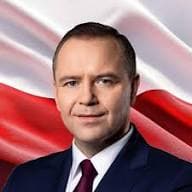
Karol Nawrocki’s third veto of Poland’s crypto bill deepened a regulatory standoff at exactly the wrong moment for one of Europe’s most closely watched digital-asset markets. The president rejected the measure on June 11, saying it still did not address his earlier objections, even though the draft was designed to bring Poland into line with the European Union’s Markets in Crypto-Assets framework.
The timing is severe. The European Securities and Markets Authority says the MiCA transitional period ends across the EU on July 1, 2026, and after that any crypto-asset service provider operating without authorization must stop offering services to EU clients. Poland does have a six-month grandfathering period for existing providers, but the repeated vetoes leave lawmakers, regulators and firms unsure how the country will meet the deadline.
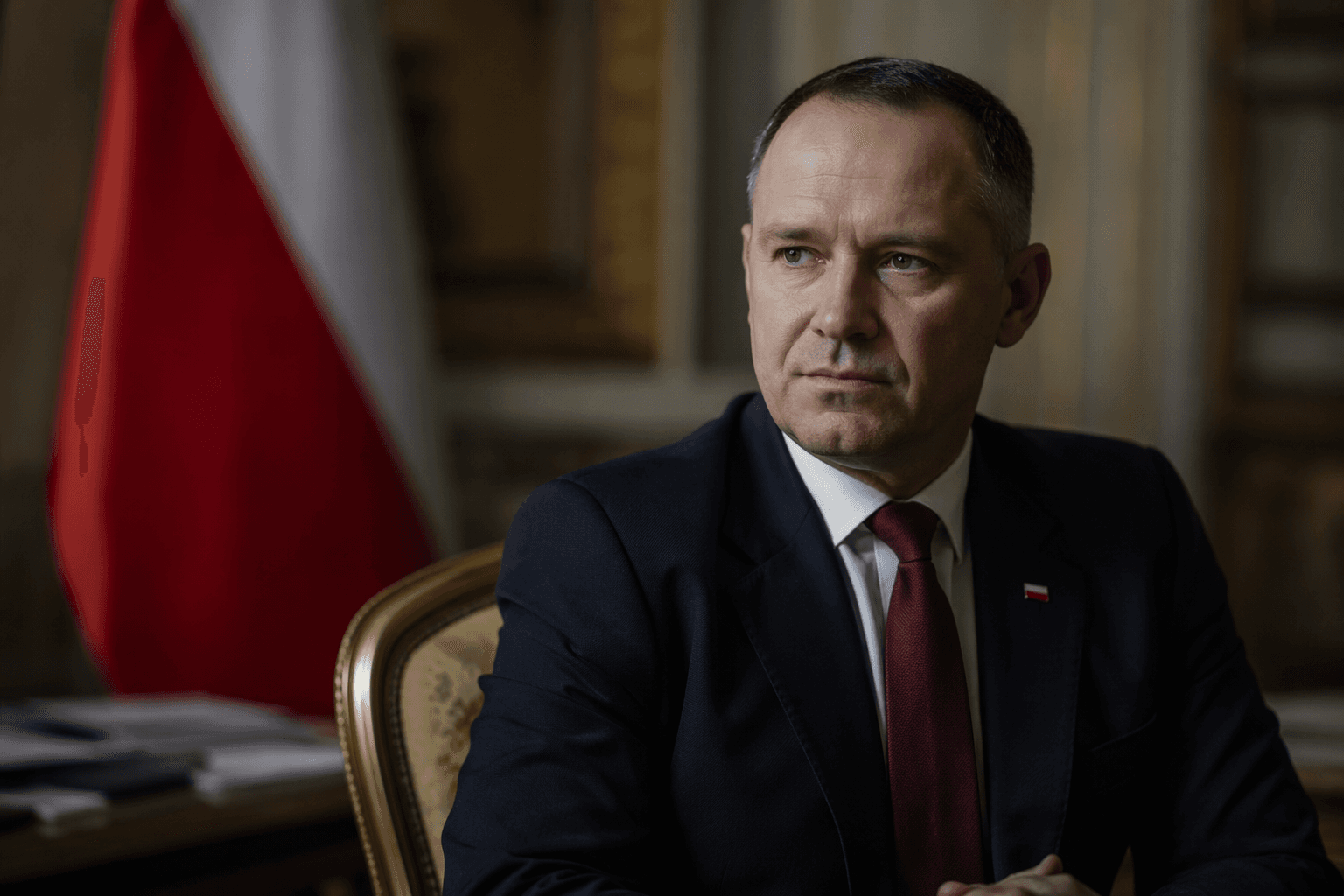
The bill had already cleared parliament in May, after a scandal involving the collapse of the country’s biggest exchange intensified pressure for tougher supervision. Prosecutors have estimated losses in the Zondacrypto case at more than 350 million zlotys, or about $95.93 million, and thousands of users reportedly could not withdraw their funds. The case has become a political flashpoint in Warsaw, with opponents of the industry warning about fraud and money laundering and supporters warning that heavy-handed rules could drive business offshore.
Nawrocki has said he supports regulating the market and consumer protection, but wants the law amended first. His office had previously proposed its own version of the bill with lower penalties, while critics in the government said the draft would impose excessive burdens on firms. Finance Minister Andrzej Domański has called the current vacuum an “El Dorado for fraudsters,” arguing that the absence of clear rules leaves investors and entrepreneurs exposed.
The deadlock also underscores a larger political problem. Parliament previously failed to override a presidential veto on the same bill, with 191 MPs supporting the veto and 243 opposing it, short of the 263 votes needed. That result showed the government does not yet have the numbers to force the issue, even as it tries to align Poland with EU rules.
For Poland, the dispute is no longer just about crypto compliance. It is a test of whether the country can translate European regulation into national law without getting trapped in a wider fight over bureaucracy, financial oversight and the balance of power between a pro-EU government and a president backed by the nationalist opposition. The longer the impasse lasts, the more Poland risks standing apart from a regime the rest of the bloc is about to enforce.
This article was produced by Prism’s automated news system from verified source data, official records, and press releases, then run through automated quality and moderation checks before publishing. The system is built and supervised by the people who set the standards it runs under. Read our full AI policy.
Did this article answer your question?

