Police drummer Stewart Copeland blends wildlife recordings with orchestra in Wild Concerto
Stewart Copeland turned his Los Angeles studio into a sound lab, layering custom percussion with birdcalls, hyenas, and frogs. Wild Concerto put a 30-piece orchestra in dialogue with nature.
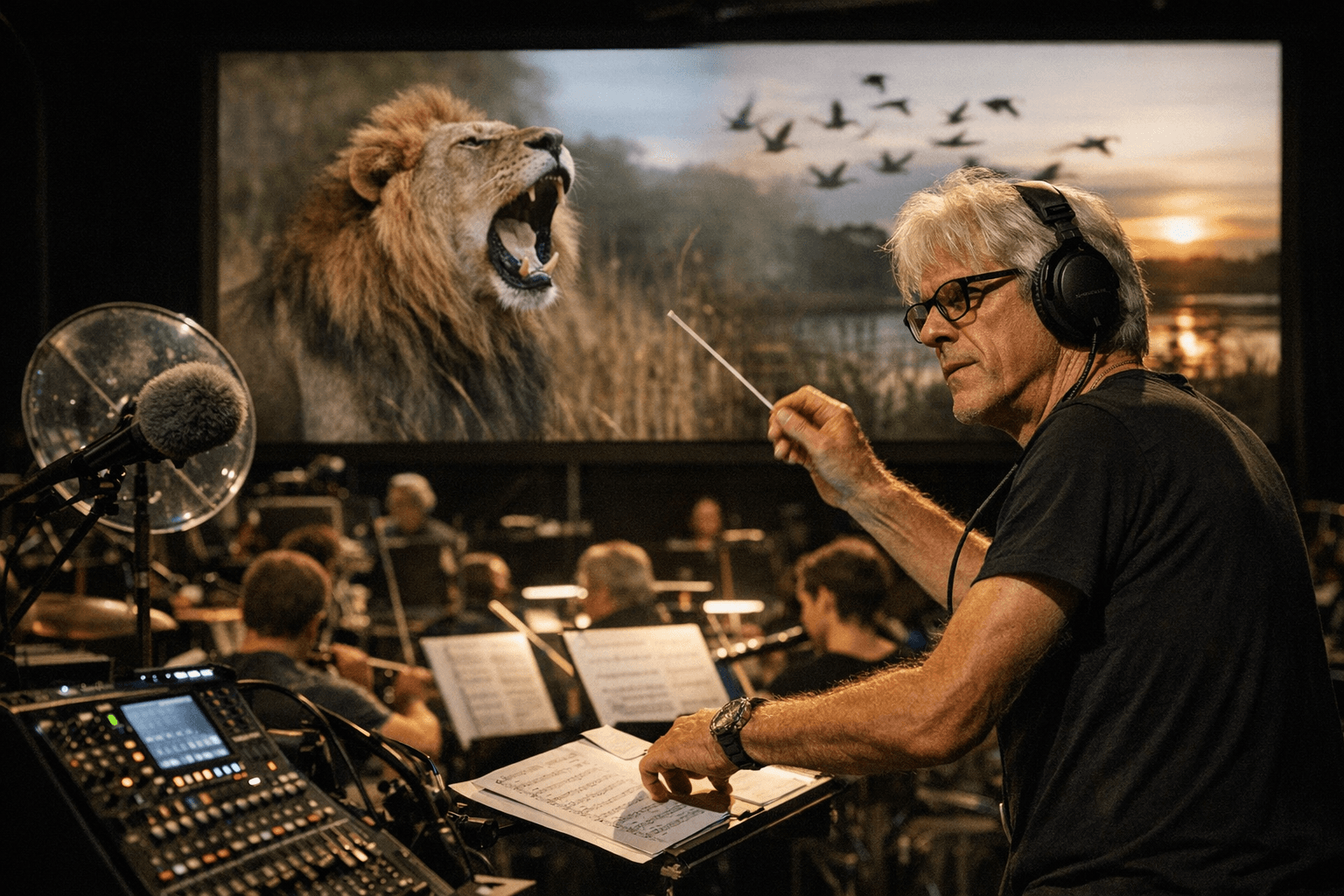
Stewart Copeland turned his Los Angeles studio into the center of a reinvention, surrounding himself with custom percussion, rare instruments, and field-recorded animal sounds for a project that pushed an orchestra toward the wild.
The former Police drummer, best known for driving the band with Sting and Andy Summers, opened the room to Bill Whitaker as part of a look at Wild Concerto, the 2025 collaboration with British naturalist and field recordist Martyn Stewart. Released April 18, 2025, through Platoon, the album paired orchestral writing with authentic wildlife recordings and was promoted as a “wild concerto” that treated nature as the soloist.
Martyn Stewart’s archive gave the project its raw material. His collection was described as containing more than 100,000 animal recordings, a library that stretched from continent to continent and from one species to another. The album drew on calls and sounds from hyenas, owls, monkeys, frogs, Arctic terns, and white-throated sparrows, folding them into arrangements for a 30-piece orchestra with Copeland on percussion.
That approach made the studio more than a workspace. It became a character in the project, a room where percussion rigs, unusual instruments, and playback of animal calls could sit side by side until the distinctions between composition and environment began to blur. The wild sounds did more than decorate the score. They supplied texture, contrast, and a sense of place, giving Copeland a broader palette than drums and orchestra alone could offer.
Copeland’s path to that sound world was built over decades. He is not only the drummer who helped define The Police, but also an established composer for film, television, and video games, a career that has made the move from rock backbeat to orchestral experiment feel less like a detour than a natural extension. Wild Concerto fit that arc, using the precision of a classical ensemble and the unpredictability of animal recordings to create something neither concert hall nor nature documentary could produce on its own.
In the end, the project placed Copeland’s Los Angeles studio at the intersection of memory, craft, and field recording, with the orchestra answering to birdsong and animal calls as much as to baton or score.
Know something we missed? Have a correction or additional information?
Submit a Tip