Policy Debate Over $15 Wage Excludes Tipped Restaurant Workers, Advocates Say
Advocates say recent minimum-wage talks left tipped restaurant workers out of a $15 baseline, keeping servers and bartenders dependent on tip credits and unstable pay.
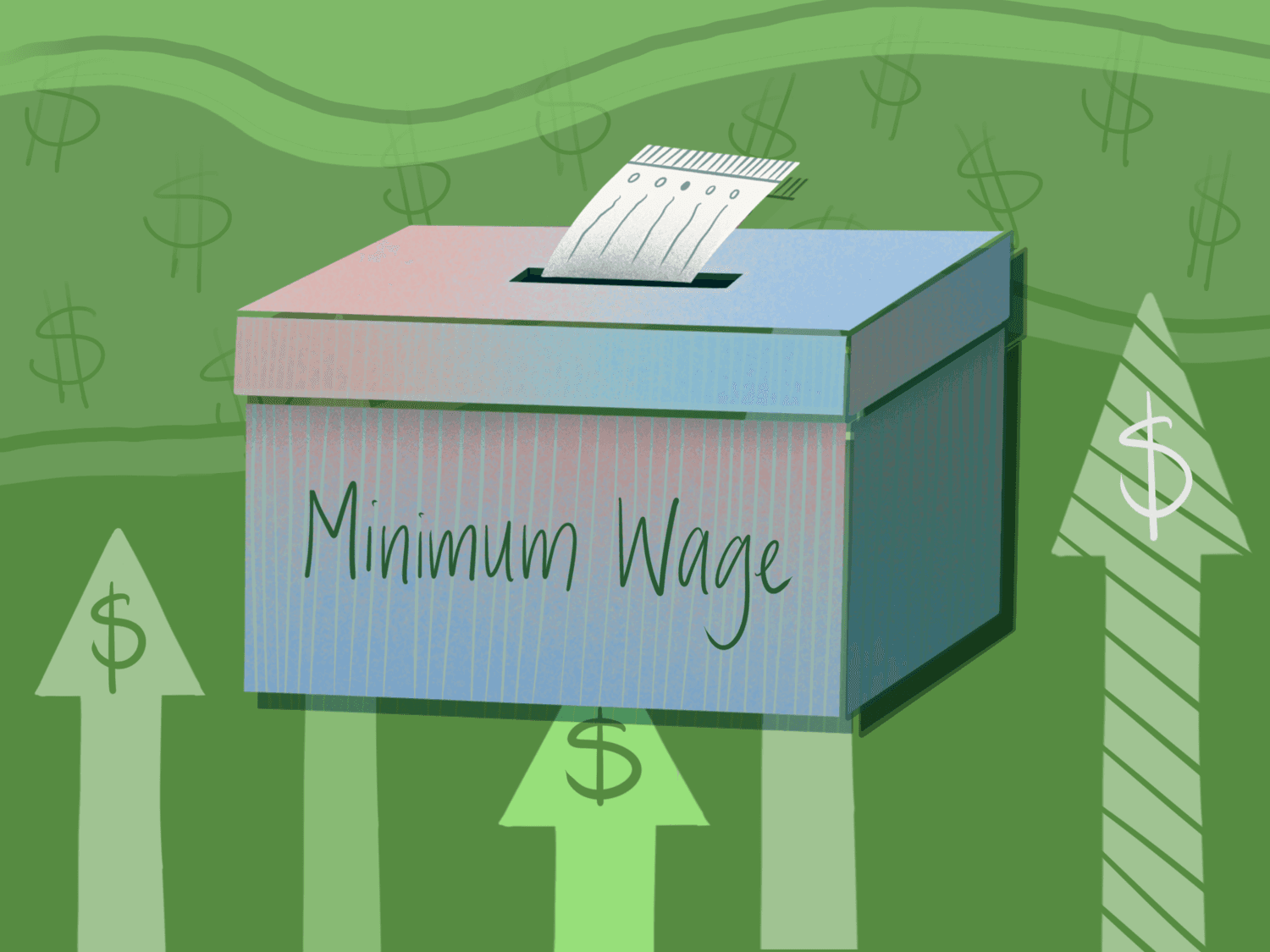
A policy debate over raising the minimum wage left tipped restaurant workers outside the proposed $15 baseline, reigniting long-running disputes over tip credits and income stability for front-of-house staff. Worker advocates and organizers highlighted the exclusion on January 13, saying it preserves subminimum cash wages for servers, bartenders, bussers and other tipped roles and perpetuates workplace inequities.
Groups including One Fair Wage pushed back hard against proposals that would raise general minimums while allowing employers to count tips toward mandated pay. Advocates argue that keeping a lower statutory cash wage for tipped workers sustains variability in earnings, increases vulnerability to wage theft and reduces workers’ power to report harassment or unpaid shifts. Organizers say the policy tradeoff leaves many service employees reliant on fluctuating tip pools and customer generosity rather than a dependable hourly baseline.
Lawmakers face difficult choices when crafting wage bills that touch restaurants. On one hand, raising the non-tipped minimum to $15 could bolster pay for back-of-house cooks and dishwashers and simplify payroll compliance. On the other hand, legislators often consider restaurant industry concerns about labor costs, menu-price inflation and small business survival, leading to carve-outs that keep the tip credit alive. Those political and legal tradeoffs mean restaurants are treated differently than broader industries in many proposals.
The result affects workplace dynamics on multiple levels. Servers who are paid below $15 per hour in cash wages can see large swings in take-home pay from week to week, complicating budgeting and access to benefits tied to steady earnings. Reliance on tips also shapes interactions with managers and coworkers - from disputes over tip pools to pressure to prioritize tables likely to tip better. Advocates warn that income instability can undermine staff retention and exacerbate tensions between front-of-house and back-of-house employees when only some categories of workers receive a higher guaranteed wage.

Legal exposure is another concern. Tip credits require precise record-keeping and leave room for underpayment and misclassification, according to worker advocates. Where protections are weaker, inspectors and enforcement agencies may be stretched thin, increasing the risk that violations go unaddressed.
For restaurant workers and managers, the debate signals more fights ahead over who benefits from wage increases and how to structure pay without destabilizing small businesses. Advocates plan continued organizing and policy pressure, and lawmakers will have to reconcile industry lobbying with worker calls for equitable wages. For tipped workers, the next legislative moves will determine whether gratuities remain central to livelihood or whether a uniform floor brings greater predictability to pay and workplace power.
Sources:
Know something we missed? Have a correction or additional information?
Submit a Tip

.png%3Fwidth%3D1280%26auto%3Dwebp%26quality%3D80%26disable%3Dupscale&w=1920&q=75)