Polis commutes Tina Peters’ sentence after Colorado election breach conviction
Colorado cut Tina Peters’ prison term to 4 years and 4.5 months, but left her conviction intact as Trump pushed for her release.
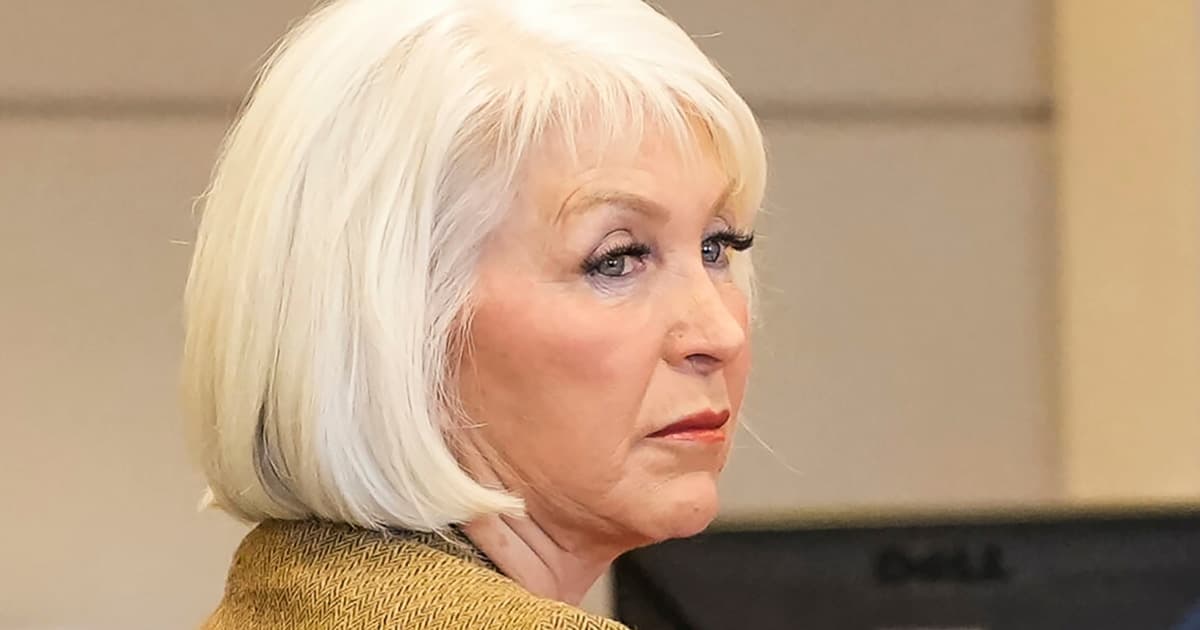
Colorado Gov. Jared Polis shortened Tina Peters’ sentence Thursday, but he did not wipe away the conviction that made the former Mesa County clerk a national symbol of election denialism.
Polis commuted Peters’ prison term from nearly nine years to 4 years and 4.5 months, making her eligible for parole effective June 1, 2026. Peters was serving time at the La Vista Correctional Facility in Pueblo. The governor said he viewed the original punishment as unusually harsh for a first-time nonviolent offender, while stressing that the commutation did not erase the underlying criminal judgment.

That distinction matters politically and legally. Peters remains a convicted felon under Colorado law even after the commutation, a reminder that Polis was not endorsing her conduct but reconsidering the length of the sentence imposed after a case that collided with the state’s rule-of-law response to election conspiracy politics.
The case began with a 2021 breach in Mesa County, where Peters, then the elected county clerk, allowed an unauthorized man linked to MyPillow CEO Mike Lindell to gain access to county election equipment during a secure software update. Passwords and a copy of the county hard drive later circulated online, intensifying alarm among election officials already facing threats and public mistrust.
A Mesa County jury convicted Peters in August 2024 on 7 of 10 charges, including three felony counts of attempting to influence a public servant and one felony count of conspiracy to commit criminal impersonation. The verdict also included misdemeanors for first-degree official misconduct, violation of duty and failure to comply with an order from the secretary of state. In October 2024, she was sentenced to 6 months in county jail plus 8 years and 3 months in the Department of Corrections.
The Colorado Court of Appeals upheld the conviction on April 2, 2026, but threw out the sentence and ordered resentencing. Polis said he considered input from victims and family members impacted, law enforcement and other justice-system participants before deciding to intervene.
The move immediately drew fury from state officials. Colorado Attorney General Phil Weiser called the commutation “mind-boggling and wrong,” and said the judge’s sentence was reasonable. Secretary of State Jena Griswold called it an affront to democracy and warned that it would embolden the election-denial movement.
President Donald Trump had repeatedly pressed for Peters’ release and said he would pardon her, though he has no power to pardon a state conviction. Polis, a Democrat, has now drawn a line that may shape how states respond when election interference cases become political causes: the sentence can be trimmed, but the verdict can still stand as a warning.
This article was produced by Prism’s automated news system from verified source data, official records, and press releases, then run through automated quality and moderation checks before publishing. The system is built and supervised by the people who set the standards it runs under. Read our full AI policy.
Did this article answer your question?

