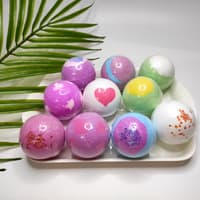
Polysorbate 80 Reduces Tub Staining for Bath Bomb Makers
Polysorbate 80 is a common emulsifier used by small-batch and hobby bath-bomb makers to help disperse carrier oils, fragrance oils, and oil-soluble colorants so they wash away rather than cling to the tub. Understanding its function, typical usage ranges, sourcing tips, and labeling responsibilities can cut down on staining complaints and improve finished-product consistency.
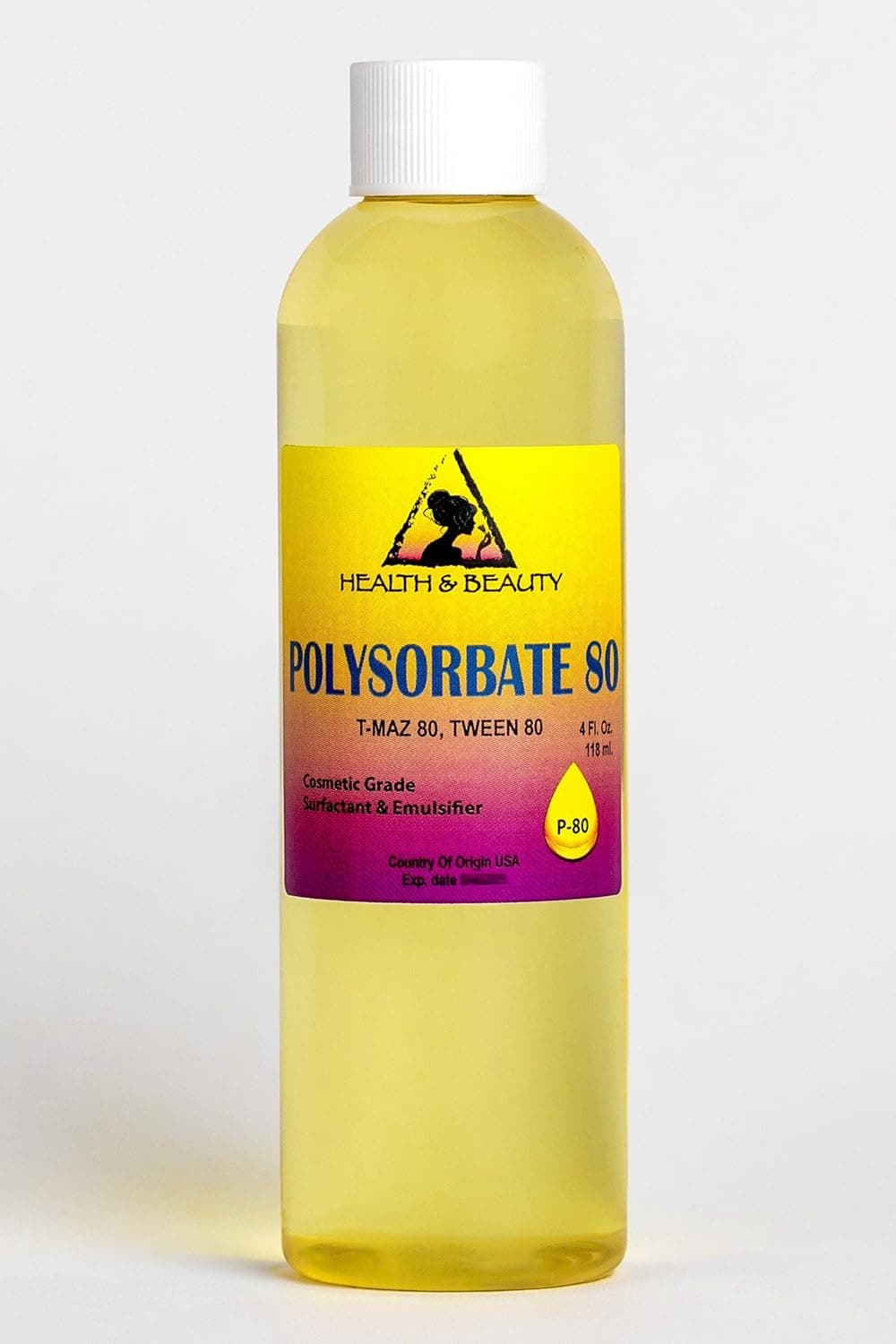
Polysorbate 80 has become a routine tool for many bath-bomb makers who want bright, even color in the bath without leaving a paint-like residue on tub surfaces. The ingredient emulsifies oils and oil-soluble pigments so they disperse into the water instead of floating as concentrated droplets that deposit pigments on porcelain or acrylic. That basic function reduces greasy rings and most tub staining events.
Practical use centers on matching polysorbate to the oil content of a formula. Many makers work from the oil phase, adding polysorbate at a percentage of total oils or using practical ratios such as about 1:1 polysorbate-to-oil by weight for certain recipes. Exact amounts depend on your fragrance strength, carrier oil level, and the pigments you use. Start small and test: make a single test bomb, drop it in a tub or sink, and observe whether pigments disperse cleanly or still cling to surfaces.
Compatibility with micas and other cosmetic-grade pigment powders is a major reason polysorbate 80 is popular. When correctly dosed it prevents colorants from sinking into or streaking across the tub. When underused, powder pigments and mica can still behave like paint by attaching to floating oil films; when overused, excess emulsifier can alter product texture or clarity. Testing different colorant loads and documenting the ratios that work for each colorant will save time and reduce customer complaints.
Source cosmetic-grade polysorbate 80 from established soap and cosmetic suppliers and follow their storage and handling instructions. Many maker-supply suppliers provide mixing tips and example usage amounts; one supplier example is wholesalesuppliesplus.com/products/polysorbate-80.aspx. Verify supplier specifications and shelf-life information before buying larger quantities.
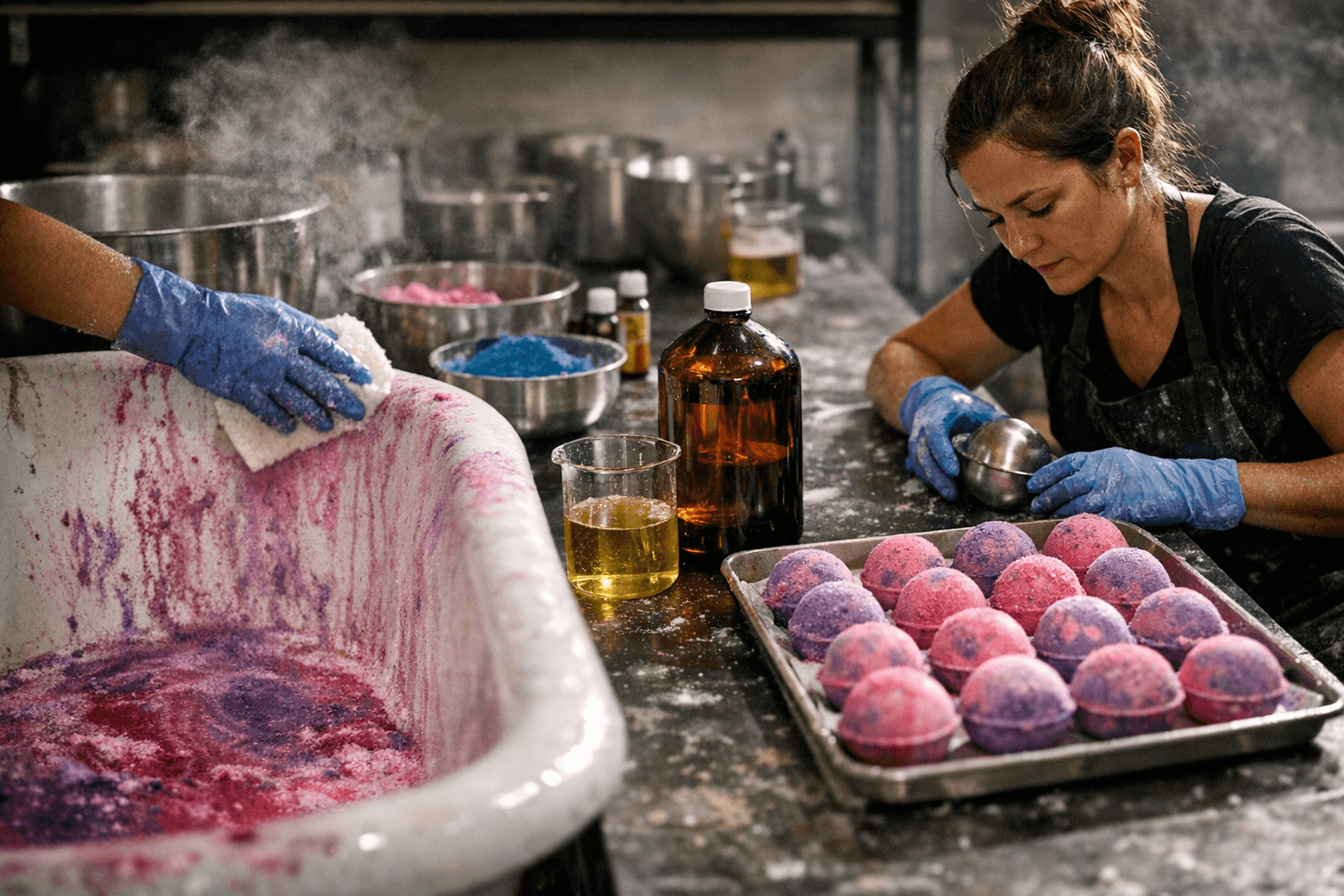
Polysorbates are commonly approved for cosmetic use in rinse-off products, but regulatory and labeling rules still apply. List polysorbate 80 on product labels when selling finished bath bombs and comply with local ingredient-declaration requirements. For small-batch makers selling at markets or online, clear labeling and batch testing reduce returns and improve customer trust.
For everyday work in a home lab, calculate oil weights, trial a conservative starting ratio, and keep notes on what each colorant requires. Those steps make polysorbate 80 a practical, community-friendly tool for cleaner baths and happier customers.
Know something we missed? Have a correction or additional information?
Submit a Tip