Pope Leo XIV denounces profits from pollution in southern Italy
Pope Leo XIV met families in Acerra, where toxic dumping has long fed cancer fears, and blamed profit-seeking firms for poisoning land, air and water.

Pope Leo XIV brought a pointed moral warning to Acerra on Saturday, standing before families from the Terra dei Fuochi and denouncing companies that chase "dizzying profits" through pollution. The papal stop, scheduled as a pastoral visit to meet residents of the area, began with an 8:45 a.m. arrival at the Arcoleo sports field and turned into a four-hour encounter with people who have spent years pressing for answers about toxic waste, illness and death.
Leo arrived by popemobile to an outside square lined with Vatican flags, yellow hats and posters bearing the faces of relatives who had died. He met victims and family members one by one, and the setting made the point that this was not an abstract environmental message. It was a direct response to a place where illegal dumping and burning of waste have become part of daily political and public-health life.
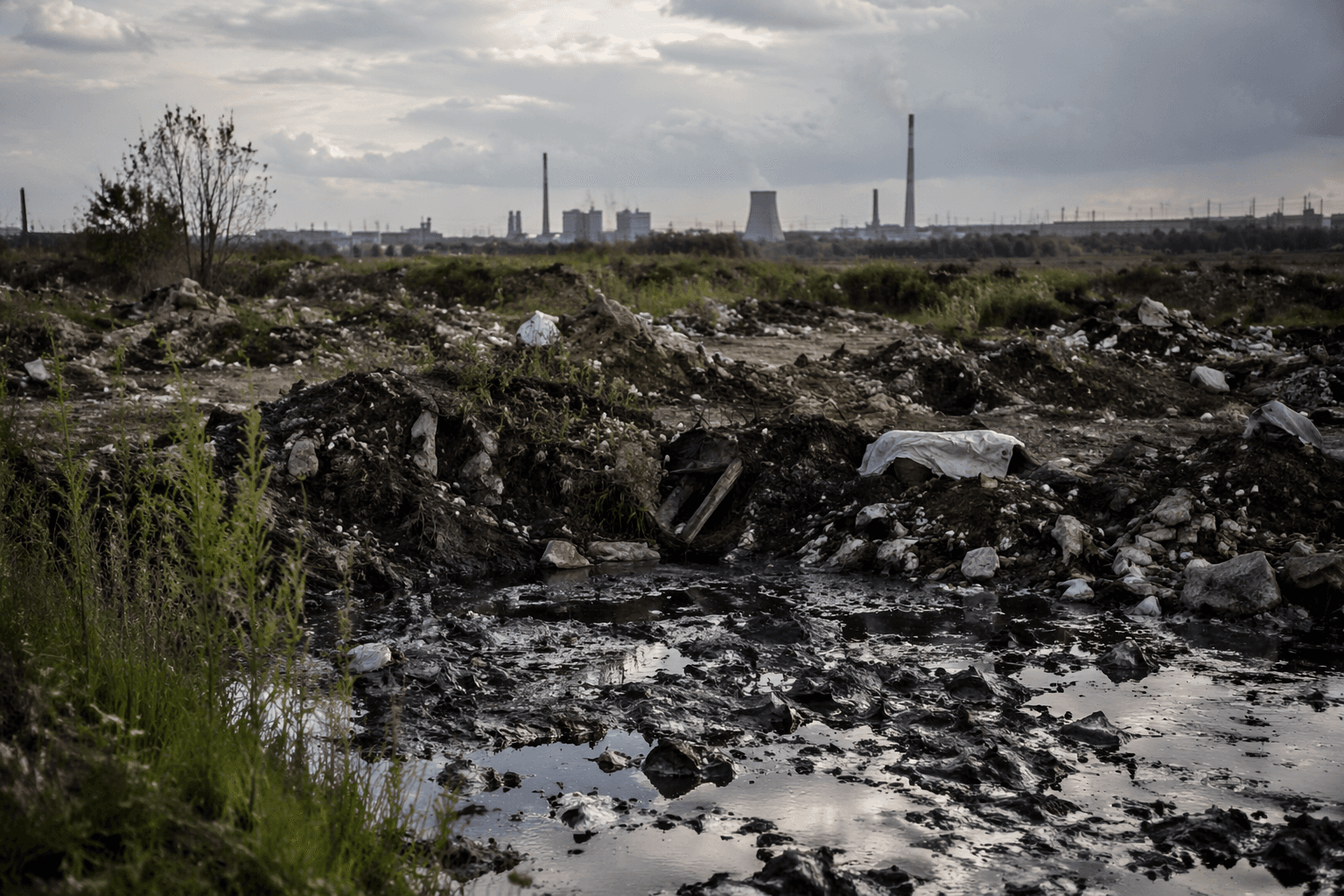
Acerra sits inside the Land of Fires, the area around Naples long associated with clandestine disposal of hazardous material, often through networks tied to the Camorra and other criminal operators. Local families say the costs have been measured in cancer cases, premature deaths and a sense that the state arrived too late. Leo said he came to gather the tears of families who had lost loved ones to illnesses linked to contamination, and he urged people to reject the temptations of power and enrichment that pollute the land, water, air and social coexistence.
The visit landed in a region already shaped by a major legal rebuke. On January 30, 2025, the European Court of Human Rights found that Italy violated the right to life by failing to stop illegal dumping and burning of hazardous waste in Campania. The pilot judgment in Cannavacciuolo and Others v. Italy covered 41 Italian nationals and five regional organizations, said the affected area was home to roughly 2.9 million people, and found deterrence had been "practically non-existent."
That ruling gave Italian authorities two years to build a comprehensive toxic-waste database and inform the public about the risks. Giorgia Meloni later appointed an Italian general to lead a cleanup task force, but the pope’s intervention adds a different kind of pressure: spiritual and political condemnation aimed at the companies, officials and intermediaries that have profited while residents absorbed the harm. In Acerra, Leo tied the cry of creation to the cry of the poor, describing "a deadly combination of obscure interests and indifference to the common good" and making clear that regulation alone has not closed the gap between environmental law on paper and justice on the ground.
This article was produced by Prism’s automated news system from verified source data, official records, and press releases, then run through automated quality and moderation checks before publishing. The system is built and supervised by the people who set the standards it runs under. Read our full AI policy.
Did this article answer your question?