Pope Leo XIV’s return to Rome delayed by plane trouble in Tenerife
Pope Leo XIV had to switch aircraft in Tenerife after a chartered flight problem, with King Felipe VI’s plane stepping in to get him back to Rome.
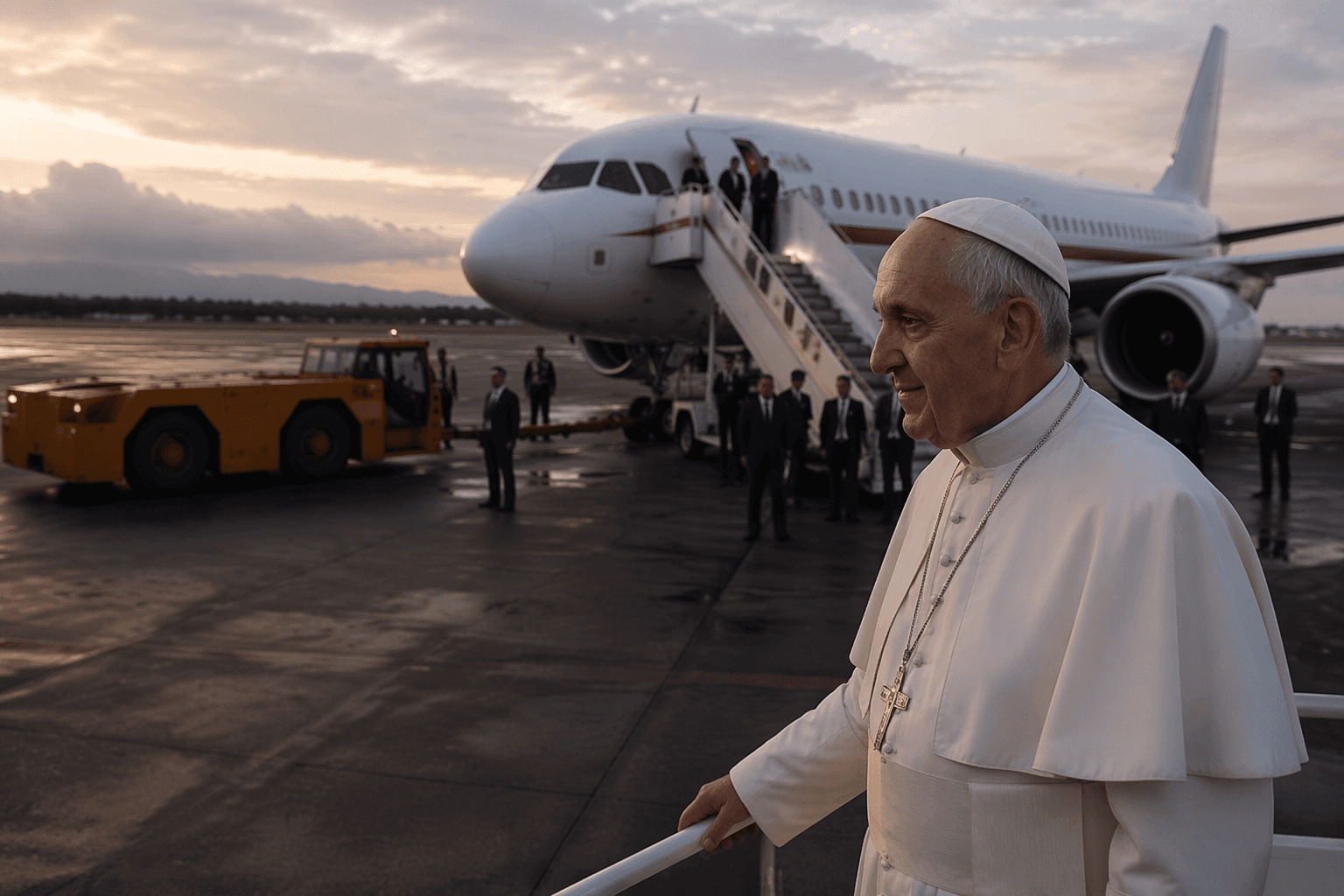
Pope Leo XIV’s trip home from Spain ended with an unexpected handoff on the tarmac in Tenerife, where a chartered Iberia flight developed a technical problem after the pope had already boarded. King Felipe VI and other Spanish dignitaries were there to see him off when the pope was escorted back off the aircraft.
The captain told those on hand that the engine likely had failed to start because of wind, leaving the flight unable to leave as planned. The interruption turned into a swift protocol exercise rather than a crisis: the Spanish government said the air force plane used by the king would carry Pope Leo XIV and several members of his delegation to Rome.
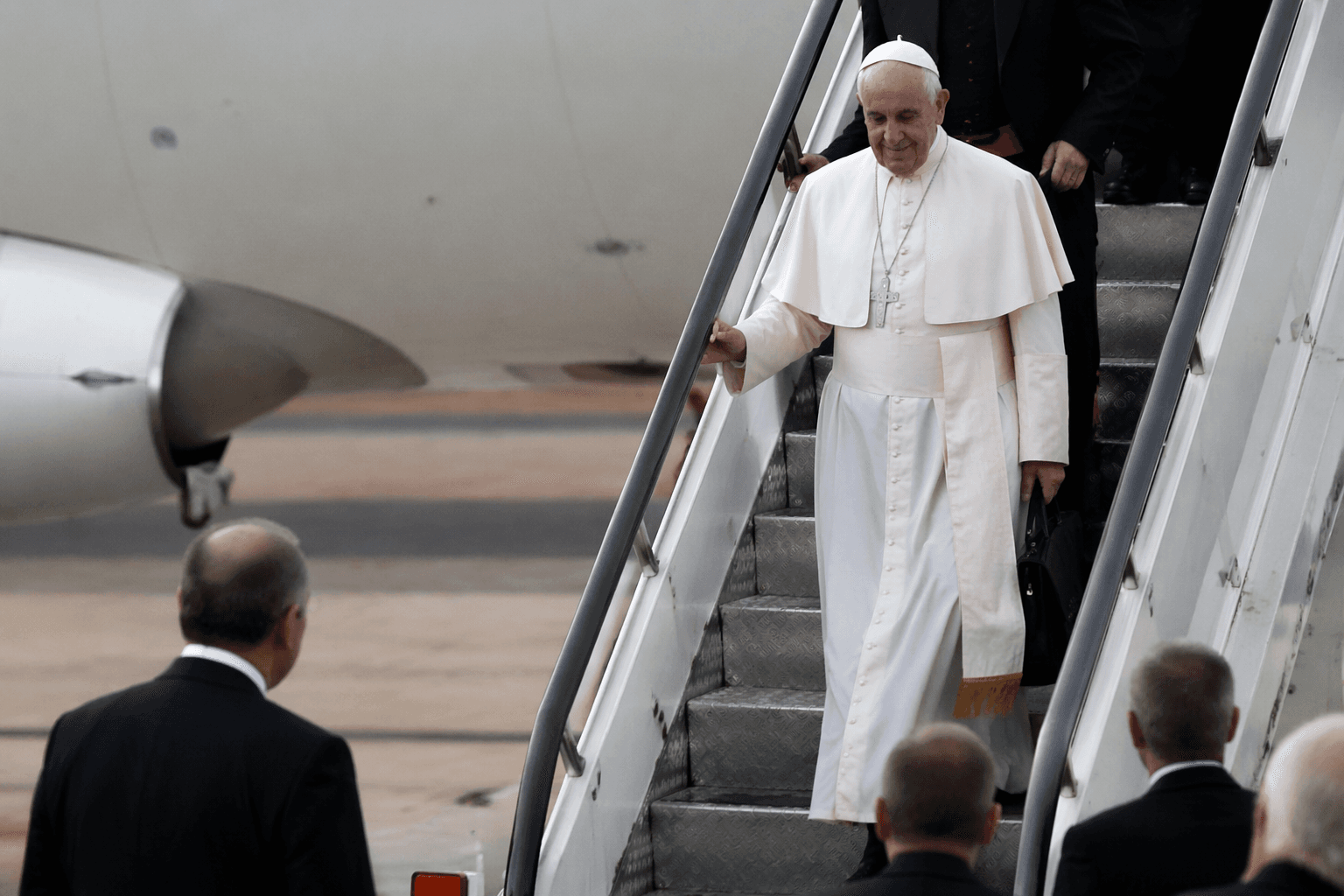
The rest of the delegation and the accompanying reporters were set to travel on another aircraft sent from Madrid. The quick replacement underscored how papal travel depends not only on aviation logistics but also on the willingness of state institutions to improvise when a high-profile itinerary goes off script.
The episode came at the end of a week-long apostolic journey to Spain that included stops in Madrid, Barcelona and the Canary Islands. In the islands, Pope Leo XIV met migrants and humanitarian groups, adding a social and pastoral element to a visit that was already closely watched because of the pope’s public role and the visibility of every movement.
What might have been a minor technical delay became a small but vivid display of modern Vatican travel, where state aircraft, royal protocol and diplomatic symbolism can converge in a matter of minutes. The sight of the pope leaving one plane for another, with the Spanish king present, showed how quickly another government can step in when a papal schedule is disrupted and how routine transport problems can briefly become international news.
This article was produced by Prism’s automated news system from verified source data, official records, and press releases, then run through automated quality and moderation checks before publishing. The system is built and supervised by the people who set the standards it runs under. Read our full AI policy.
Did this article answer your question?