Pope Leo’s Canary Islands visit spotlights Europe’s migrant route
Pope Leo XIV will meet migrant aid groups in Arguineguín as the Canary Islands confront a route that brought 46,843 sea arrivals in 2024.
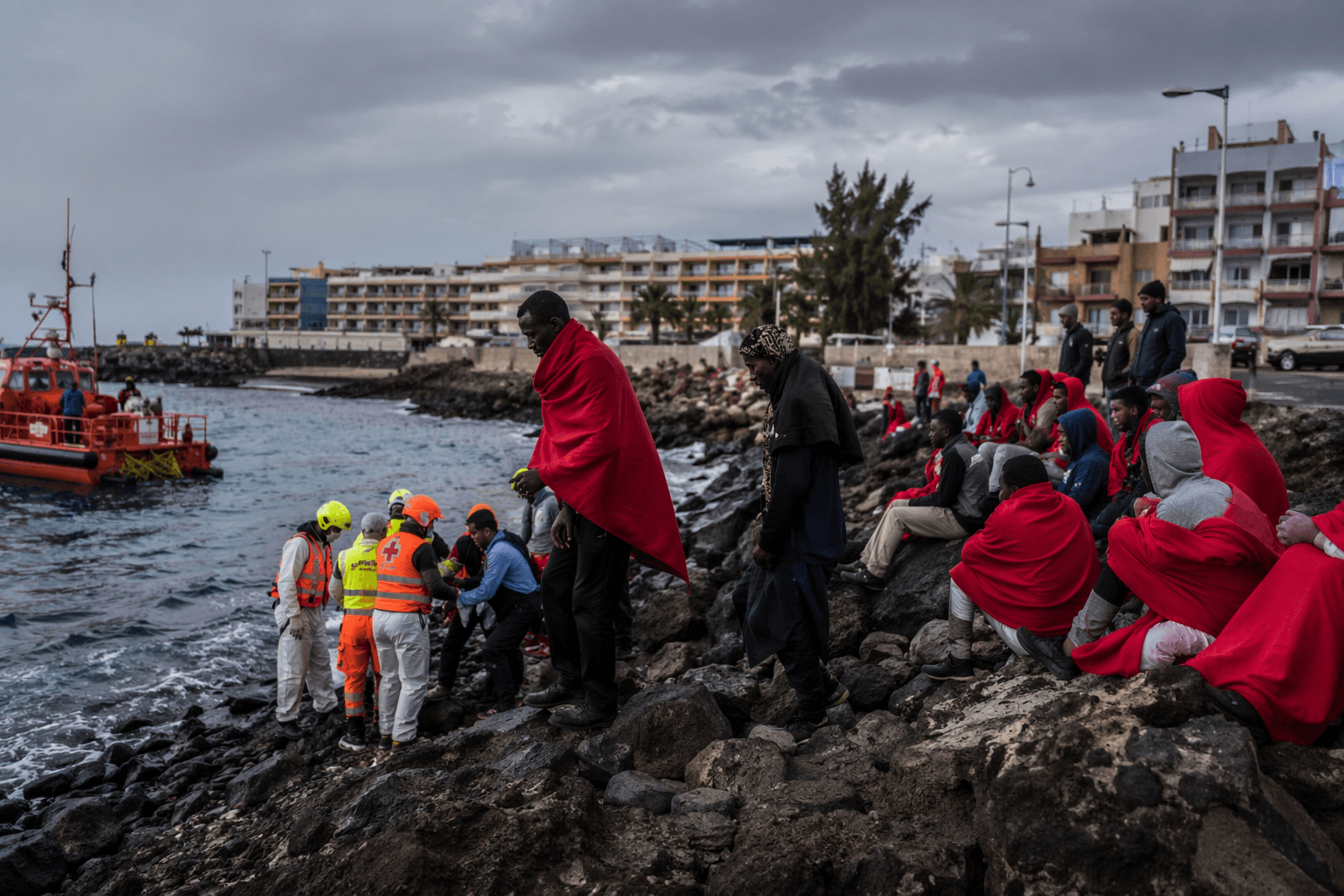
Pope Leo XIV is heading to the Canary Islands on a trip that turns one of Europe’s most fraught migration routes into a papal stage, with a stop in Arguineguín aimed squarely at how migrants are treated after the crossing. The islands have spent years absorbing people arriving from West Africa by the Atlantic route, and local Catholic leaders see the visit as a chance to shift attention from border control politics to rescue, dignity and care.
The official itinerary places the Canary Islands leg on Thursday, June 11, as part of Leo’s June 6 to 12 journey to Spain. He is scheduled to arrive at Gran Canaria/Gando Air Base and then meet organizations working with migrants at 11:40 a.m. in the port of Arguineguín. It will be the first papal visit to the archipelago, giving the stop unusual symbolic weight in a region where reception centers and port facilities have become familiar points of arrival.
The timing matters because the numbers remain stark. Spain’s Interior Ministry recorded 46,843 migrants arriving in the Canary Islands by sea in 2024, a record for the archipelago. Arrivals fell in 2025 to just over 17,700, down from nearly 47,000 the year before, but the route remains dangerous and politically charged. Even with the decline, the islands continue to serve as a major gateway into Europe, and Arguineguín remains one of the best-known reception points for new arrivals.
Leo’s Spain journey has already carried a wider message. It is his first visit to an EU country outside Italy, and the trip also includes Madrid and Barcelona. During the tour, he has warned that escalating conflicts around the world are pushing humanity into a profound crisis, while emphasizing the moral responsibility of governments toward migrants and other vulnerable people. That makes the Canary Islands stop more than a pastoral gesture. It is a direct test of whether Vatican attention can pressure European leaders to do more than harden borders, and whether humanitarian language can translate into better treatment for people who survived one of the deadliest migration passages into Europe.
Local leaders are watching closely because the visit places human suffering where policy arguments often dominate. For the islands, and for Europe, the question is no longer only how to stop the boats. It is how to treat the people who get there.
This article was produced by Prism’s automated news system from verified source data, official records, and press releases, then run through automated quality and moderation checks before publishing. The system is built and supervised by the people who set the standards it runs under. Read our full AI policy.
Know something we missed? Have a correction or additional information?
Submit a Tip