Portugal held by DR Congo as World Cup fever grips host cities
Portugal were held in Houston as England and Colombia fans turned Dallas and Mexico City into loud outposts of home, filling streets, bars and a 80,000-seat opener.

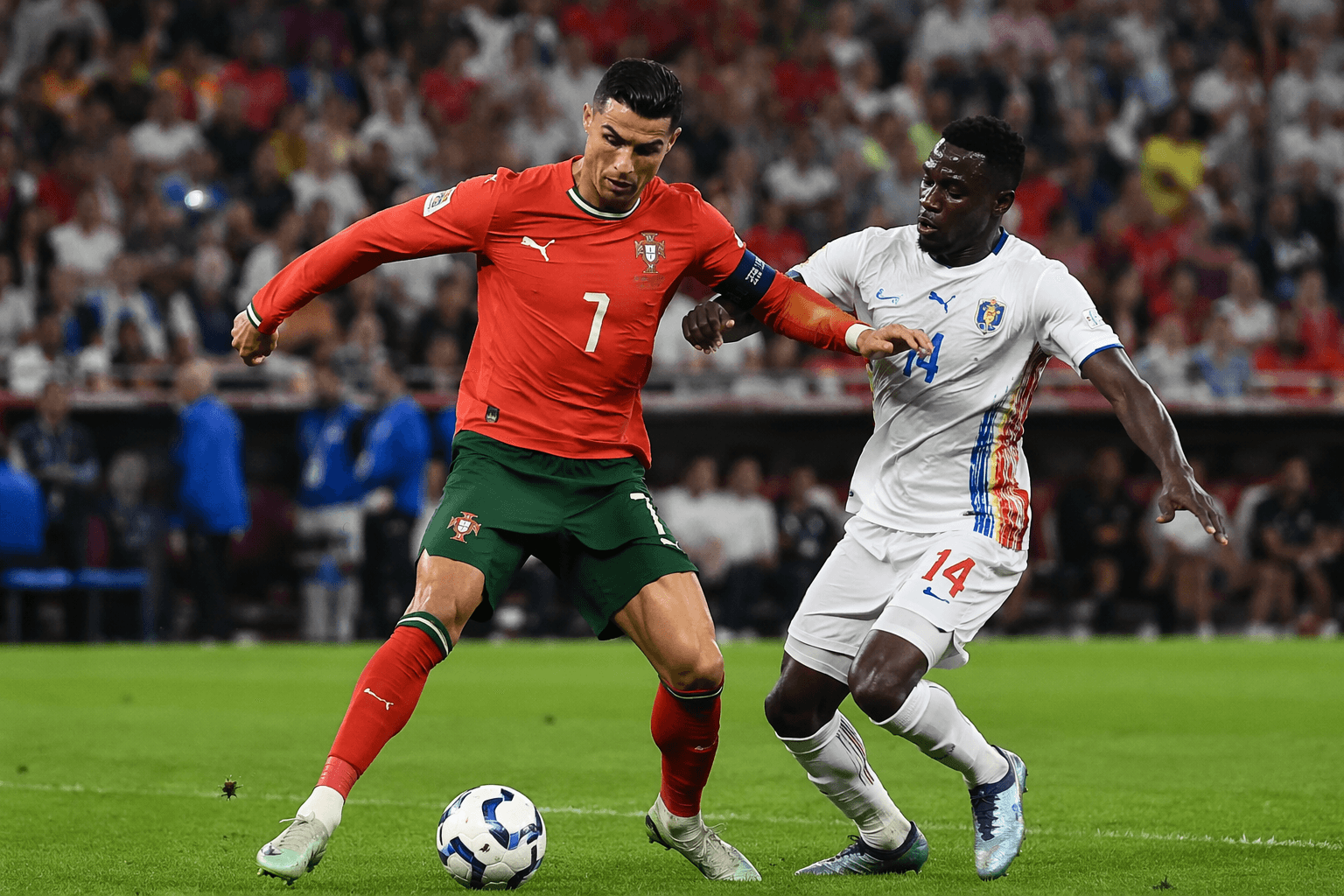
A 1-1 draw in Houston was only part of the story. Portugal, one of the tournament favorites, were frustrated by a rapid João Neves opener and a historic response from the Democratic Republic of Congo, whose return to the World Cup ended a 52-year absence from the global finals.
For the Congolese, the point carried rare weight. The team reached the tournament through FIFA’s Play-Off Tournament, and the equalizer landed as a symbol of a country back on the biggest stage for the first time since 1974. In a group opener that carried real stakes for both sides, the atmosphere around Houston reflected more than a result. It showed how the World Cup can turn a host city into a brief meeting point for two national stories at once, one built around expectation and the other around comeback.
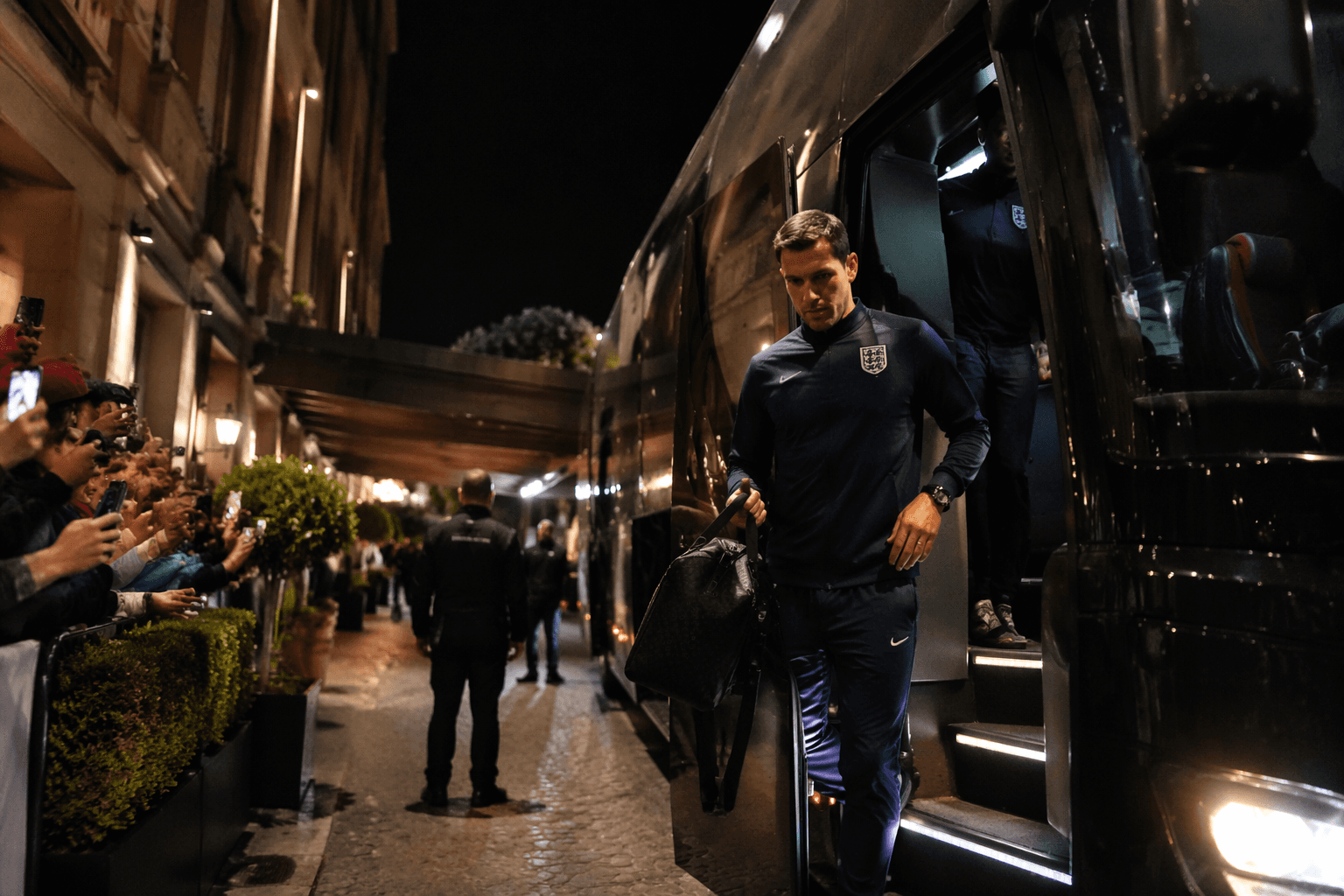
Dallas and Arlington delivered that same sense of imported identity on a bigger scale. For England’s debut against Croatia at Dallas Stadium on June 17, reports put as many as 15,000 England fans in the city, a tidal wave of shirts and flags that spilled well beyond the stands. Bars and gathering spots filled with traveling supporters, giving local businesses a match-day rush and turning the metro area into a temporary slice of England’s football culture. The scale of that turnout was a sign that England’s support base was prepared to travel as loudly as it watched.
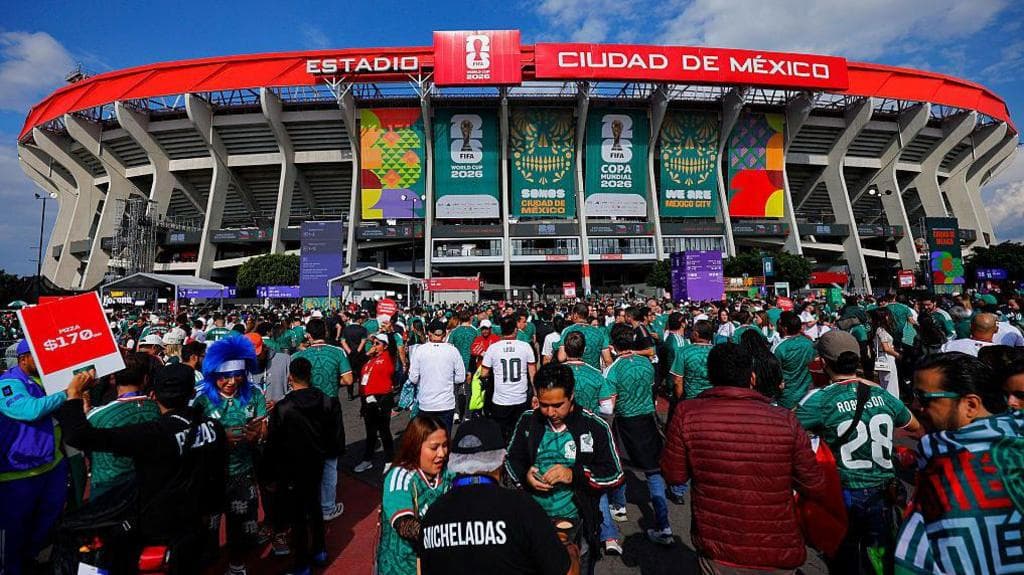
Mexico City offered the clearest picture of the tournament’s reach. Colombia opened at the Estadio Azteca, officially branded Mexico City Stadium for the event, against Uzbekistan, and more than 80,000 fans packed the capital’s kickoff. Colombian supporters traveled from across the region and beyond, draping the city in yellow as Néstor Lorenzo’s team stepped into the spotlight. The stadium scene was sharpened by the World Cup’s opening spectacle, which featured Shakira, Burna Boy and J Balvin and underlined the event’s broader cultural ambition.
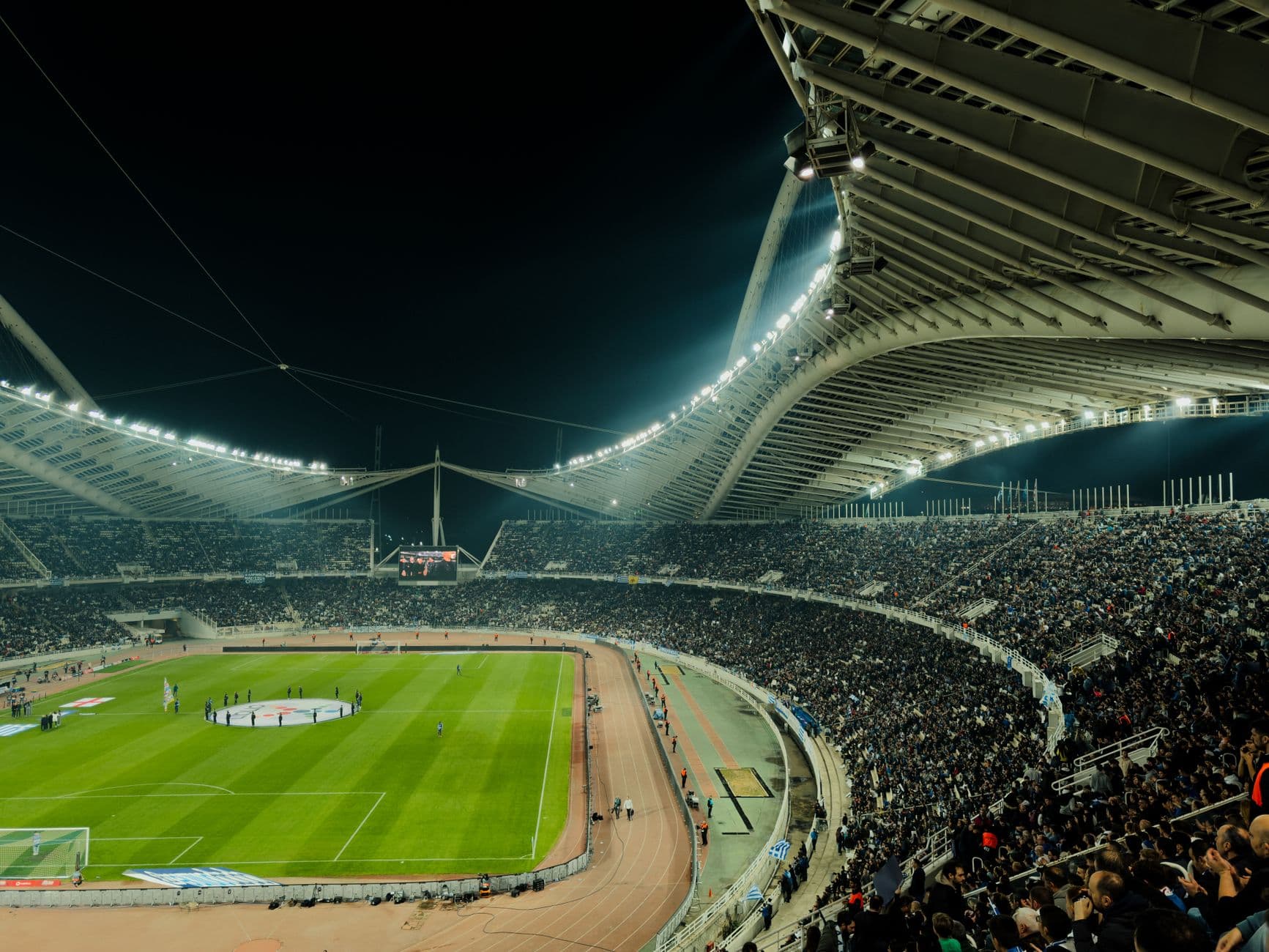
With the 2026 tournament expanded to 48 teams and Mexico City scheduled to host five matches, the World Cup’s early days are already reshaping host cities into temporary hubs of global identity. The crowds are not just filling venues, they are exporting entire football cultures into the streets outside.
This article was produced by Prism’s automated news system from verified source data, official records, and press releases, then run through automated quality and moderation checks before publishing. The system is built and supervised by the people who set the standards it runs under. Read our full AI policy.
Did this article answer your question?