Post-Trip and Seasonal Reel Maintenance for Tuna Anglers, WD-40 Steps
WD‑40 recommends cleaning reel exteriors after every trip with a damp microfiber cloth and scheduling a seasonal deep service to fight saltwater corrosion and abrasion.
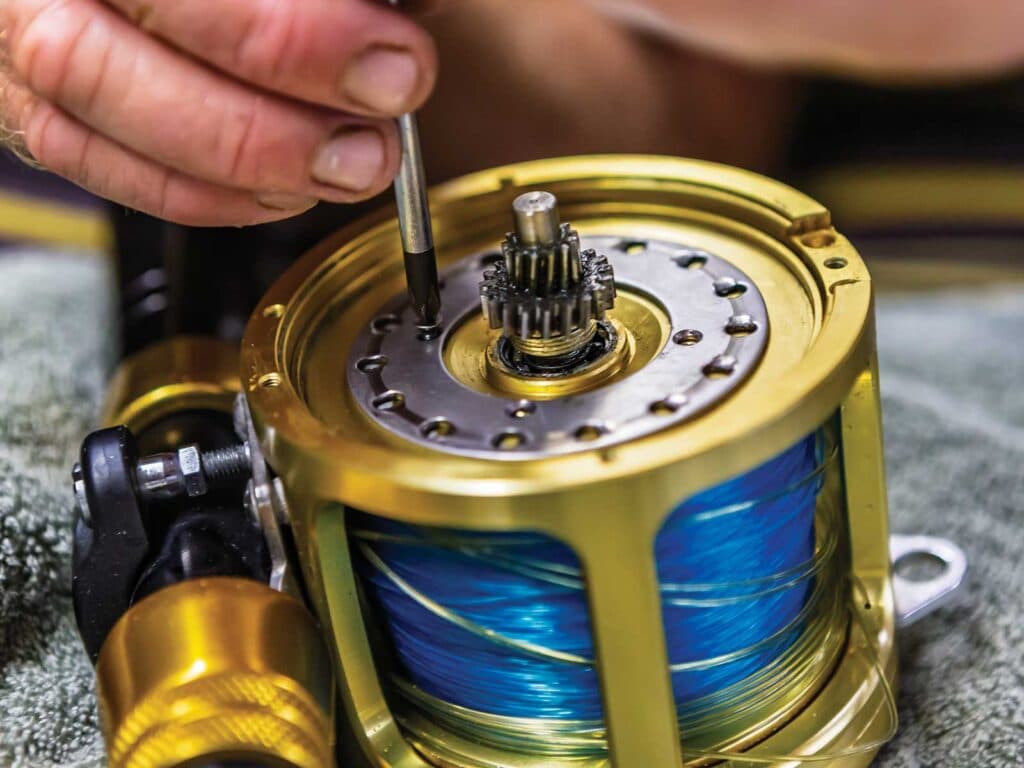
WD‑40 lays out a simple, two-tier approach that changes how you treat your tuna tackle: quick, consistent care after every trip and a deliberate deep‑service at season’s end. Why this matters, as the Original Report puts it, “Tuna fishing pushes tackle to the limit. Big tuna fights, repeated saltwater exposure and the abrasive effects of monofilament and braid all conspire to accelerate wear on reels. A short, consistent maintenance routine after every trip, plus a seasonal deep‑service checklist, wil” That truncated warning is exactly the point: if you skip routine upkeep, your reels will age faster than you think.
Maintenance philosophy and schedule WD‑40 frames maintenance as two actions that together prevent most failures: a short post‑trip routine and a seasonal deep service. The brand states, “Good maintenance practices are essential, strive to develop a routine pattern of upkeep after a fishing trip as well as a deep cleaning and repair phase at the end of each season.” For saltwater tuna anglers especially, WD‑40 warns that “saltwater equipment will experience more duress and will need more attention after the fun is done.” Practically, that means a quick wipe and light lubrication after every outing, a modest teardown and inspection after about five outings, and a full disassembly, repair, and parts replacement program when the season ends.
- Screw drivers, including a small set
- Small brush, hard and soft bristle
- Distilled water
- Microfiber cloth
- WD‑40® Multi‑Use Product
- WD‑40 Specialist® Silicone
Tools, supplies, and a portable maintenance kit
Pack one small, portable kit and keep it on the boat or in the van. WD‑40 lists the essentials:
Keep those items together in a small tackle box. Distilled water avoids mineral deposits when rinsing fresh, and the two WD‑40 products serve different roles: the Multi‑Use Product for routine exterior cleaning and joint conditioning, and the Specialist Silicone for lubricating internal moving parts and protecting against rust.
- Wipe down reel exteriors and rod blanks with a damp microfiber cloth.
- Rinse heavy salt accumulation with distilled water and dry thoroughly.
- Add a light spray or a few drops of WD‑40 Multi‑Use Product to external joints and wipe away excess.
- Stow reels in ventilated, dry cases; don’t tighten drags fully when storing.
- Note any frayed mono or braid, nicks in guides, or drag slippage and tag those reels for a short teardown.
Immediate post‑trip checklist you can do before you step off the dock
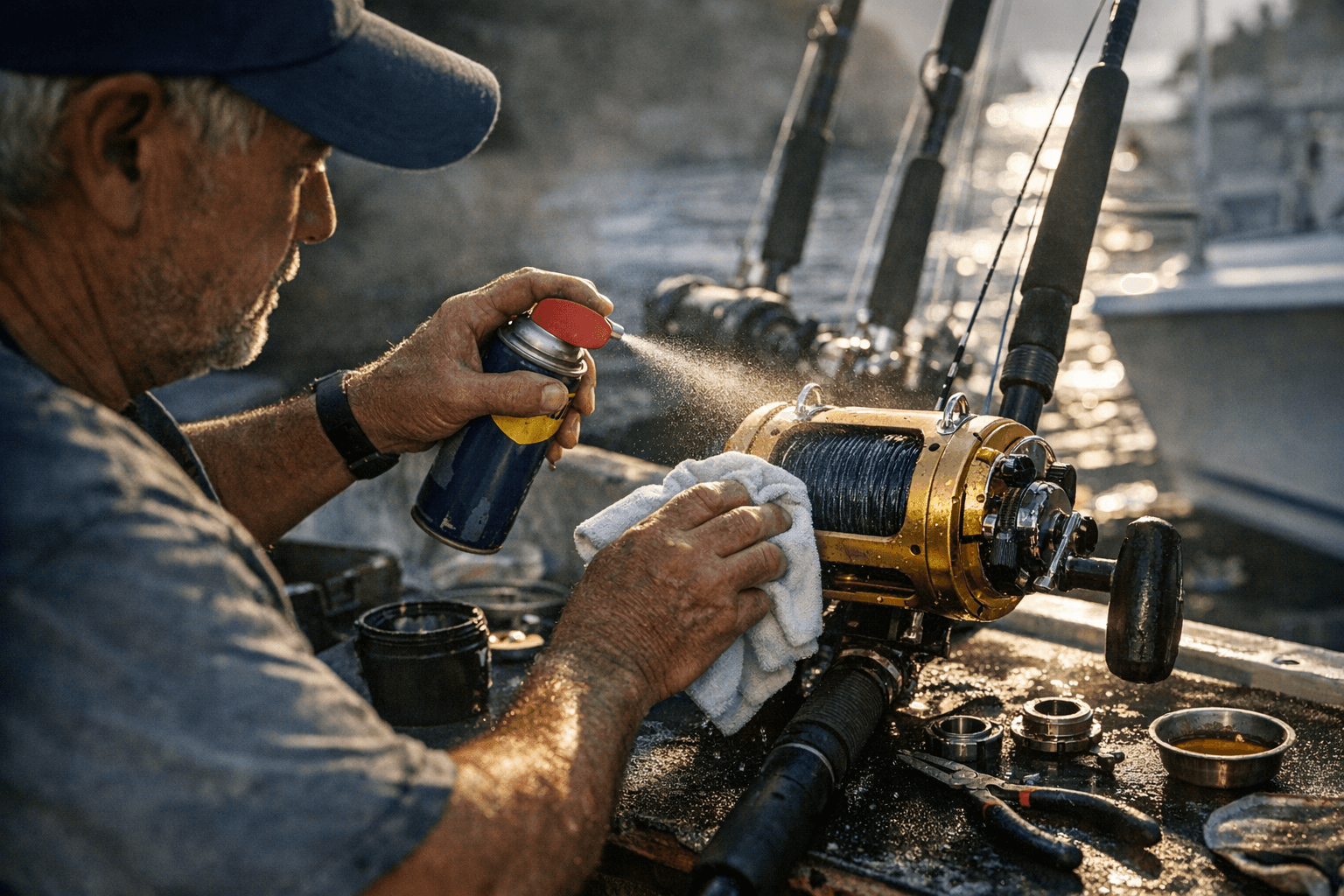
Do these tasks right after you unload to stop salt and grit from working on your reels overnight. WD‑40’s baseline: “After every fishing trip, basic maintenance requirements include cleaning the outside of the reel with a damp microfiber cloth and perhaps adding a light layer of protectant and lubrication. WD‑40 Multi‑Use Product works well to provide routine care.” Translate that into a fieldable checklist:
If you run charters or share a shop, operations matter as much as the mechanics. Evergreen‑guides Weebly reminds captains, “After unloading, everything needs to be put away, whether that is done by you or operations staff. It is generally your responsibility to ensure that everything gets done.” Practical post‑trip tasks recommended for shared operations include running a full dishwasher if needed, putting icepacks neatly back in the freezer, and returning unused drinks to the white fridge.
- Remove the spool and inspect the inner bearing, applying a few drops of WD‑40 Specialist Silicone to the inner bearing as recommended.
- Check the bail joint for smooth opening and closing and lube the joint with WD‑40 Multi‑Use Product or the silicone formula.
- Break down the reel handle occasionally: WD‑40 instructs, “Every so often, break down the reel handle by first removing the fastener holding it to the reel. Extract the handle and again use the multi‑use or silicone formula to lubricate the reel head, handle, shaft and rotation seat. Don’t miss the joint where the handle folds against the reel body.”
Intermediate service after several uses (roughly five outings)
WD‑40 recommends stepping up service after several uses: “After several uses (5 or more) it’s suggested to perform a cleaning of the reel and a light lubrication moving components visible after opening and/or removing the coil. WD‑40 Specialist Silicone works well for lubricating these moving parts and also provides protection against rust and corrosion.” At this stage:
A simple numbered routine for handle service 1. Remove the fastener and extract the handle. 2. Clean all visible surfaces and remove grit with a soft brush and distilled water. 3. Apply WD‑40 Specialist Silicone to bearing surfaces and WD‑40 Multi‑Use to external joints. 4. Reassemble and test the rotation seat and folding joint for smoothness.
- Bail joint, for consistent opening and closing.
- Line spool inner bearing — add a few drops to keep it spinning true.
- Reel handle assembly and folding joint.
- Drag system and washers — inspect for glazing or contamination.
- Rod guides and blank — check for burrs and worn inserts that cut braid or mono.
Component checklist — the spots that age fastest
Focus on the parts WD‑40 calls out and on the wear that tuna fights and abrasive lines cause:
Seasonal deep‑service checklist and how to decide whether to DIY or hire techs At season’s end perform a deep cleaning and repair phase, as WD‑40 recommends. That includes full disassembly for reels you are competent to service, cleaning all internal gears and bearings, replacing worn parts, and re‑lubricating with the Specialist Silicone product for corrosion protection. WD‑40 cautions that “more complicated gear also requires more time and perhaps specific tools and knowledge for disassembly/reassembly,” so if you are uncertain, send reels to a qualified service technician.
- Full spool and body teardown, clean and dry each component.
- Replace worn bearings, drag washers, or corroded fasteners.
- Rinse rods and reels with distilled water, dry completely, then apply a light protectant and store in a cool, dry place.
- Inventory gear and list items for professional service, following Evergreen‑guides advice to “Make note of anything in need of maintenance or update, i.e. broken snow shoe, broken thermos, etc.”
Adapted seasonal tasks:
If you prefer outsourcing seasonal maintenance, Evergreen Property Inspectors’ seasonal language offers a model for scheduling and service: “Home maintenance can be as simple as hiring a handyman to come out for a half day each quarter, or rolling up your sleeves on a Saturday and doing it yourself.” For local scheduling or examples of a service model, Evergreen Property Inspectors can be reached at their Scheduling Center, 877‑805‑5255, or by email at contactus@evergreenpropertyinspectors.com. They list regional appointment addresses and phone contacts if you need a template to organize local gear servicing.
Post‑trip operations and vehicle protocol for charter captains If you manage a charter, the post‑trip logistics are part of maintenance. Evergreen‑guides Weebly lays out practical steps: “Once back at the office, park the van and get all tour-related items out so it can be cleaned. Be sure to double check the floor, seat backs, dashboard, and other little spaces for trash or other items from the day. Operations staff will typically be responsible for washing/vacuuming the van though it may occasionally be up to you. Do a final vehicle inspection and fill out the inspection form. Replace the clipboard with keys to where it belongs.” If operations staff are absent, the guide’s tone is direct and familiar: “If we have operations staff to clean up after the tour, celebrate, 'cause you're almost done! Otherwise put on some tunes and catch your second or third wind - you've got some cleaning to do!”
Final note Tuna trips push reels hard; WD‑40’s practical cadence — clean every outing, inspect after five uses, and deep service at season’s end — is tailored to the saltwater reality that “saltwater equipment will experience more duress and will need more attention.” Do the small tasks now to avoid the big repair bills later: a damp microfiber cloth, a few drops of specialist silicone, and a season‑end teardown protect the reels that let you fight that next bluefin.
Know something we missed? Have a correction or additional information?
Submit a Tip