Postal Service avoids cash crunch next year, but structural crisis deepens
The Postal Service may dodge a cash crunch next year, but lawmakers heard its losses, falling volume and rural service obligations still demand a deeper fix.

The Postal Service is not expected to run out of cash next year, but that offers little comfort to lawmakers trying to stabilize an agency whose business model keeps eroding. At a June 4 hearing in Rayburn 2154 before Rep. Pete Sessions, R-Texas, the Postal Regulatory Commission warned that recent relief has only bought time, not solved the deeper problem.
Robert Taub, the commission’s vice chair, said in written testimony that the regulator exists to protect captive customers and preserve fair competition, and he argued that USPS self-help efforts have not worked. Taub’s testimony said falling mail volume and a worsening revenue mix have deepened the crisis, and Thomas G. Day told lawmakers he agreed with that factual picture. Day said Congress likely will need to revise the current legislative framework to define the Postal Service’s universal service obligation, a task that goes to the heart of what Americans should expect from delivery.

That question matters well beyond Washington. USPS says it serves more than 170 million city, rural, post office box and highway contract route delivery points six and often seven days a week. In its fiscal 2025 financial plan, the agency projected a net loss of $6.9 billion and total volume of 106.7 billion pieces, down 5.1 percent from 2024. Its quarterly filings show the long slide is not new: mail volumes, including First-Class Mail and Marketing Mail, fell 49 percent between 2007 and 2024.
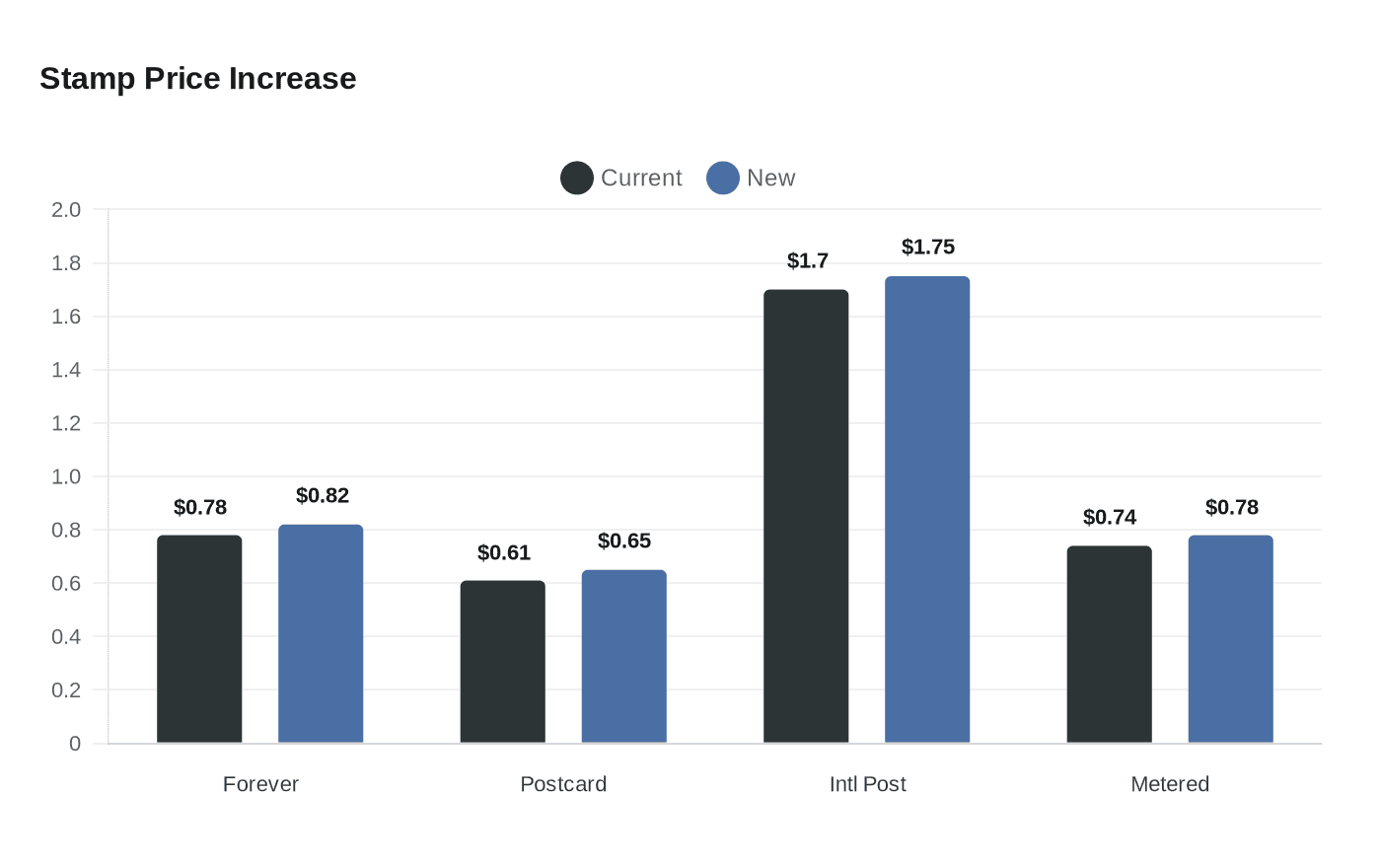
Postmaster General David Steiner has warned that the agency could run out of cash within a year without congressional action and more borrowing authority from the Treasury, a reference to USPS’s $15 billion statutory borrowing cap. The Postal Service has already responded with belt-tightening: suspending nonessential spending on travel, office supplies and consultants, pausing some employer pension contributions, and filing July 12 postage increases on April 9. The First-Class Mail Forever stamp is set to rise from 78 cents to 82 cents, while domestic postcards will go from 61 cents to 65 cents, international postcards and letters from $1.70 to $1.75, and domestic metered mail from 74 cents to 78 cents.
USPS has also said winter storms disrupted service and that it plans to improve how it reports performance during extraordinary events. But the larger strain is structural. The agency must keep delivering to every address while absorbing rising labor, transportation and infrastructure costs, and lawmakers were told that only a clearer mission and a more durable financial framework can prevent today’s relief from becoming tomorrow’s crisis.
This article was produced by Prism’s automated news system from verified source data, official records, and press releases, then run through automated quality and moderation checks before publishing. The system is built and supervised by the people who set the standards it runs under. Read our full AI policy.
Did this article answer your question?

