Postal Service weighs letting handguns be mailed for first time in decades
USPS is considering a rule that would let handguns move through the mail for the first time in nearly a century, triggering a fight over safety and gun law.
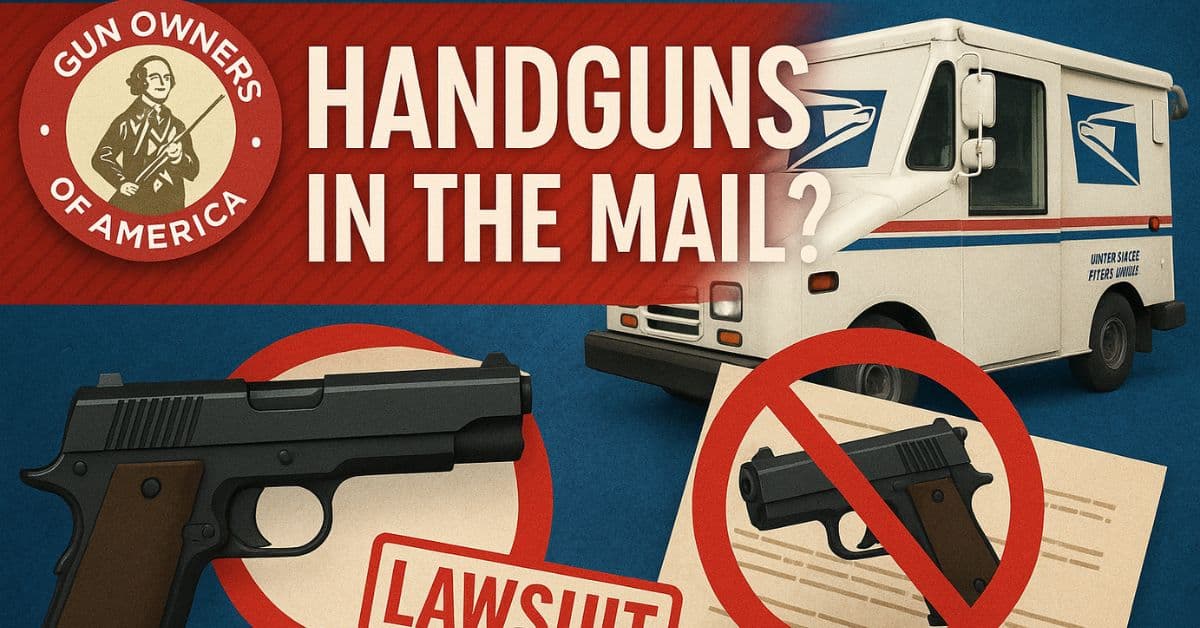
The Postal Service is moving toward a quiet but potentially major rewrite of how federal mail rules treat firearms, one that could allow handguns to be sent through USPS for the first time in almost 100 years. If finalized, the change would reach far beyond postal operations, reshaping who can legally move guns, how they can be transported and where federal postal authority ends and gun regulation begins.
USPS published the proposed rule on April 2 in the Federal Register and set a May 4 comment deadline. The agency said the revision would bring Publication 52, its hazardous and restricted mail handbook, into line with a January 15 memorandum from the Justice Department’s Office of Legal Counsel concluding that 18 U.S.C. Section 1715 is unconstitutional as applied to constitutionally protected firearms, including handguns. Because Publication 52 is incorporated into the Domestic Mail Manual and the Code of Federal Regulations, the change would alter the agency’s operating rules, not just a one-time policy exception.
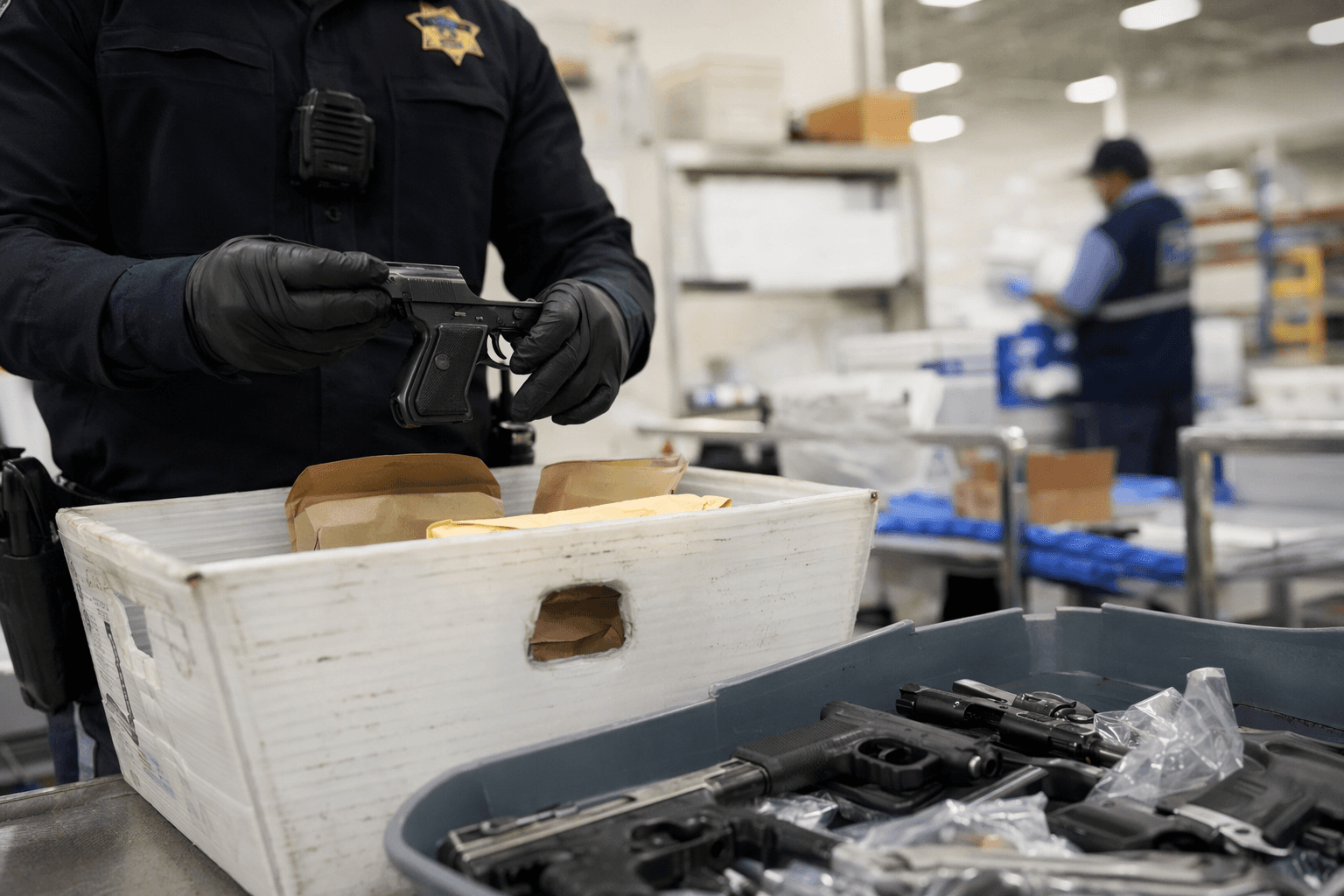
The proposal would not open the mail to every firearm without limits. USPS already allows some guns, including long-barreled rifles and shotguns, to be mailed if they are unloaded and securely packaged. Under the new draft, similar safeguards could apply to handguns, and USPS said it could require mailers to open firearm packages or certify that the weapon is unloaded and nonconcealable. The rule would also keep intact the ban on undetectable firearms. Under the Justice Department’s view summarized in reporting, USPS would not be required to carry ammunition or gunpowder, and any firearm mailing would still have to comply with federal, state and local law.
The pushback was immediate. Michigan Attorney General Dana Nessel said on May 6 that she had joined a multistate comment letter signed by 22 states opposing the proposal, while other descriptions of the coalition put the number at 24 states. California Attorney General Rob Bonta and Maryland Attorney General Anthony Brown also denounced the plan. Nevada Attorney General Aaron Ford tied his opposition to the Oct. 1, 2017 mass shooting in Las Vegas, where 60 people were killed, warning that the change could undercut state gun-violence prevention efforts.
Critics say the biggest risk is practical, not theoretical: allowing handguns into the national mail system could make it easier for prohibited people, including felons and domestic abusers, to obtain firearms, while also complicating interstate enforcement and raising tracing costs for law enforcement. Supporters argue the move would make lawful transfers more workable for collectors, sellers and other authorized users already navigating strict rules.
The issue is also before the courts. A federal lawsuit, Shreve v. United States Postal Service, was filed in Pennsylvania on July 14, 2025 by two gun-rights groups and an individual plaintiff who wanted to mail a handgun to her father as a gift. The case challenges the 1927 ban that plaintiffs call the first federal gun control law, and the Postal Service’s proposal now sits at the center of that broader fight over whether old restrictions can survive in a new constitutional climate.
This article was produced by Prism’s automated news system from verified source data, official records, and press releases, then run through automated quality and moderation checks before publishing. The system is built and supervised by the people who set the standards it runs under. Read our full AI policy.
Did this article answer your question?

