Postponement of 2029 Asian Winter Games signals Saudi shift in sports ambitions
OCA and Saudi committee postpone the 2029 Asian Winter Games at NEOM, citing an updated framework; the move recalibrates regional sports, investment and development plans.
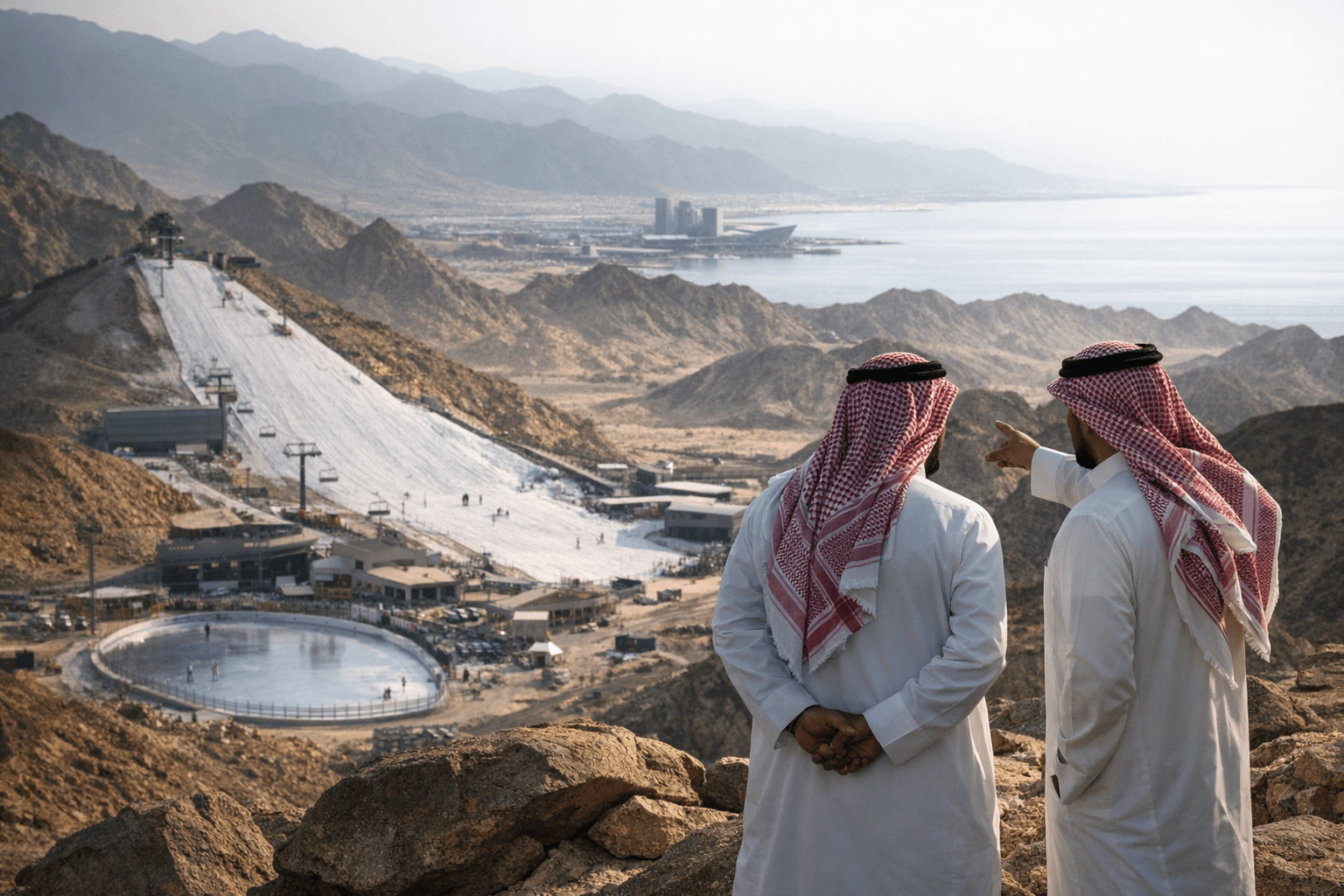
The Olympic Council of Asia and the Saudi Arabian Olympic Committee announced on Jan. 24 that the 2029 Asian Winter Games, originally slated for the NEOM mountain resort, have been postponed. In a joint statement the bodies said they had "agreed on an updated framework" for the project, offering little immediate detail on new dates or alternative arrangements.
The decision marks a significant pause for a high-profile effort to transplant winter sports to a region better known for deserts than ski slopes. NEOM, the Saudi giga-project that includes a planned mountain destination marketed as a new hub for tourism and outdoor sports, has been central to the kingdom’s push to diversify its economy and global image. The postponement puts that vision on a slower timeline and raises questions about the costs, logistics and political calculus of staging a winter multisport event in the Arabian Peninsula.
For athletes and national federations across Asia the delay creates practical headaches. Training cycles, qualification paths and funding commitments are typically built around multi-year calendars. A postponed Games compresses preparation windows or forces federations to reallocate resources to other events. For winter sports still developing in much of Asia, the postponement could stall momentum that organizers had hoped a high-profile continental showcase would generate.
The business ramifications are immediate. Sponsors and broadcasters pay premiums for marquee events partly because of scheduling certainty. Uncertainty around timing and venue affects existing contracts, negotiation leverage and the value of future rights. For NEOM developers and the Saudi state, which have funneled capital into infrastructure and promotional campaigns tied to the Games, the delay increases the risk of budget overruns, opportunity costs and reputational exposure.
The wider industry trend of moving major sporting events beyond traditional geographies is undergoing a test. The Arab world’s recent bids for global sports assets have been framed as economic modernization and soft power projection. Postponing the Winter Games highlights the friction between ambition and delivery when staging winter events in climates and geographies without long-standing winter sports ecosystems. It also underscores a broader pattern in sports governance where host readiness, commercial models and political expectations collide.
Culturally, the Games were pitched as a statement about changing identities and leisure in the Middle East. Delaying the event delays the symbolic moment when winter sport imagery would be associated with Saudi landscapes and lifestyles. That shift has been both celebrated as progressive diversification and critiqued as a form of image engineering detached from local traditions and environmental realities.
Social and environmental implications will also be under scrutiny. Large-scale construction, energy-intensive snowmaking and labor practices were points of debate whenever winter infrastructure is built in marginal climates. The postponement provides a window for reassessing ecological impact and workforce conditions, but it also prolongs uncertainty for workers and communities tied to NEOM’s development.
The joint statement's reference to an updated framework suggests negotiations and technical work will continue. Stakeholders from national federations to broadcasters will be watching closely for a revised timeline and clear commitments. The postponement is not simply a scheduling change; it is a fulcrum moment that will shape how sport, state investment and cultural projection intersect in a rapidly changing region.
This article was produced by Prism’s automated news system from verified source data, official records, and press releases, then run through automated quality and moderation checks before publishing. The system is built and supervised by the people who set the standards it runs under. Read our full AI policy.
Did this article answer your question?
.jpg&w=1920&q=75)