Powell hands Fed chair to Warsh amid inflation and pressure
Powell left the Fed chair after warning of legal threats, clearing the way for Warsh, whose push for “regime change” could alter rates, regulation and borrowing costs.

Jerome H. Powell’s tenure as Federal Reserve chair ended with an unusually charged handoff, as Kevin M. Warsh moved into the post at a moment of rising inflation, White House pressure for lower rates and open questions about how independent the central bank will remain.
Powell’s chair term expired on May 15, 2026, but he had already signaled on April 29 that he would stay on as a Federal Reserve governor after stepping down. He said the institution remained at risk from legal challenges by the Trump administration, a rare move for a departing Fed chair and a sign that the leadership change carried more than a routine personnel shift.
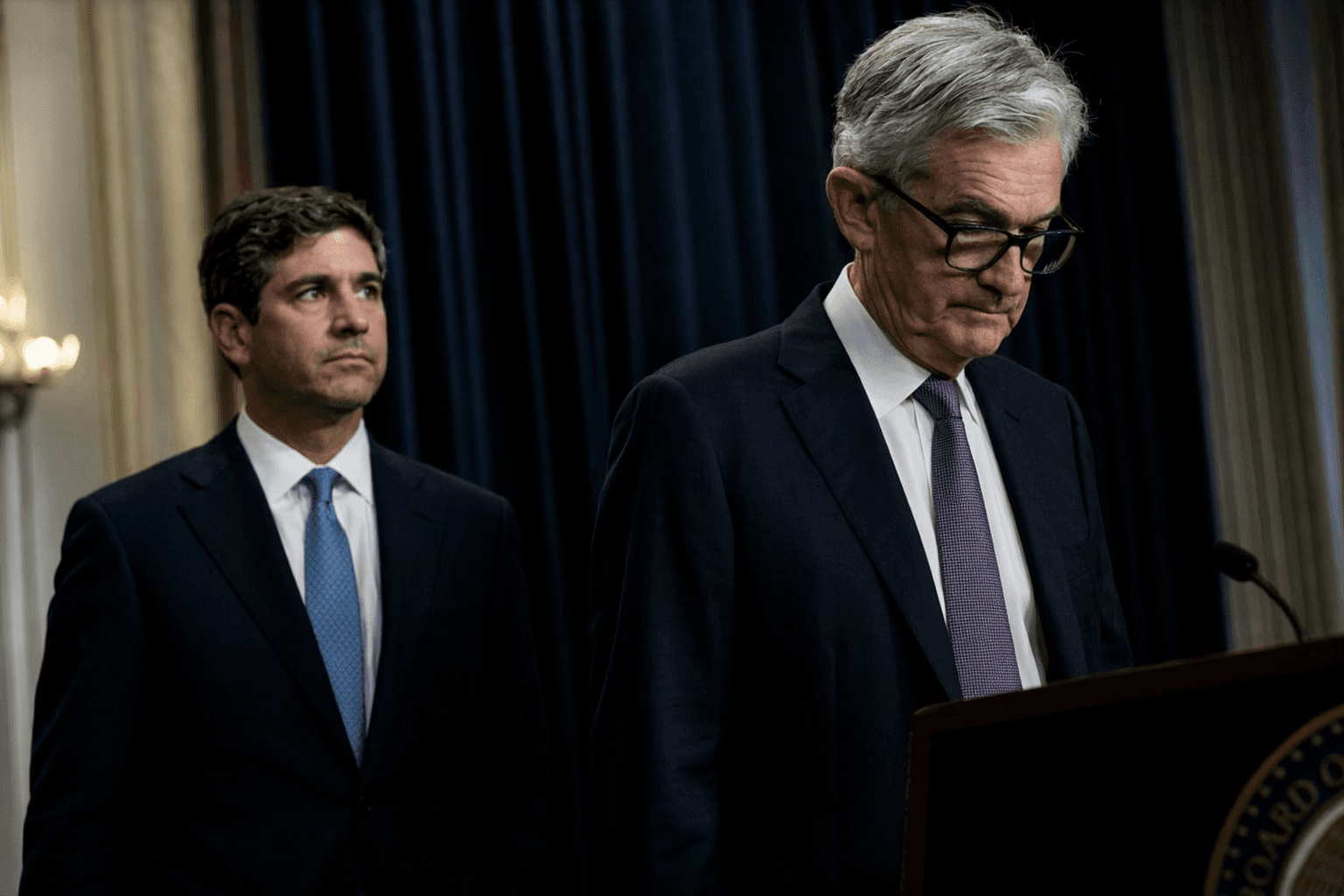
Warsh, a former Fed governor and Wall Street veteran, was confirmed by the Senate Banking Committee on April 29 in a party-line 13-11 vote, then won full Senate approval on May 13 by 54-45 after a separate 51-45 vote on May 12 to make him a member of the Board of Governors. The Senate nomination calendar lists his governor term as 14 years from February 1, 2026, while his chair term is listed as four years. CNBC described the confirmation as the most divisive Senate vote ever for a Fed chair.
The political split reflects what is at stake. Powell has kept the Fed anchored to its dual mandate of maximum employment and stable prices, saying at his April 29 press conference that the central bank remained focused on both. The Fed’s March 18 policy statement said inflation remained somewhat elevated, underscoring why mortgage rates, credit costs and hiring conditions remain closely tied to the path Warsh chooses.
Warsh has argued the Fed needs an overhaul, or “regime change,” a phrase that signals a more aggressive break with Powell’s approach. Critics warn that such a shift could affect the central bank’s balance-sheet strategy, its rate-setting decisions and its posture toward bank regulation at precisely the moment households, employers and investors are trying to read where inflation is headed next.
If Warsh pushes the Fed toward faster rate cuts, borrowers could eventually see relief in mortgages and business loans, but the risk is that easier policy could also fuel prices if inflation stays sticky. If he moves instead to tighten oversight and reset the Fed’s tools, the change could ripple through Wall Street and Main Street alike, with consequences for credit, jobs and the central bank’s political independence.
This article was produced by Prism’s automated news system from verified source data, official records, and press releases, then run through automated quality and moderation checks before publishing. The system is built and supervised by the people who set the standards it runs under. Read our full AI policy.
Did this article answer your question?

