Prabowo appoints new nutrition chief after graft arrests in meals program
Prabowo replaced his nutrition chief after graft arrests in the free-meals drive, a move that could decide whether the flagship program keeps public trust.

Prabowo Subianto installed a new head of Indonesia’s National Nutrition Agency after graft arrests shook the free meals program at the center of his political agenda. The shake-up came as investigators examined whether officials manipulated foundation selection for school kitchens and inflated the cost of items bought for the program, raising fresh questions about oversight in one of the government’s most visible welfare projects.
At the presidential palace in Jakarta, Prabowo appointed Nanik Sudaryati Deyang to replace Dadan Hindayana, who was fired on June 2 before being arrested in the corruption case. The Attorney General’s Office also detained two deputy agency heads, deepening a probe that has turned the program’s administration into a test of whether anti-graft action will amount to reform or damage control.
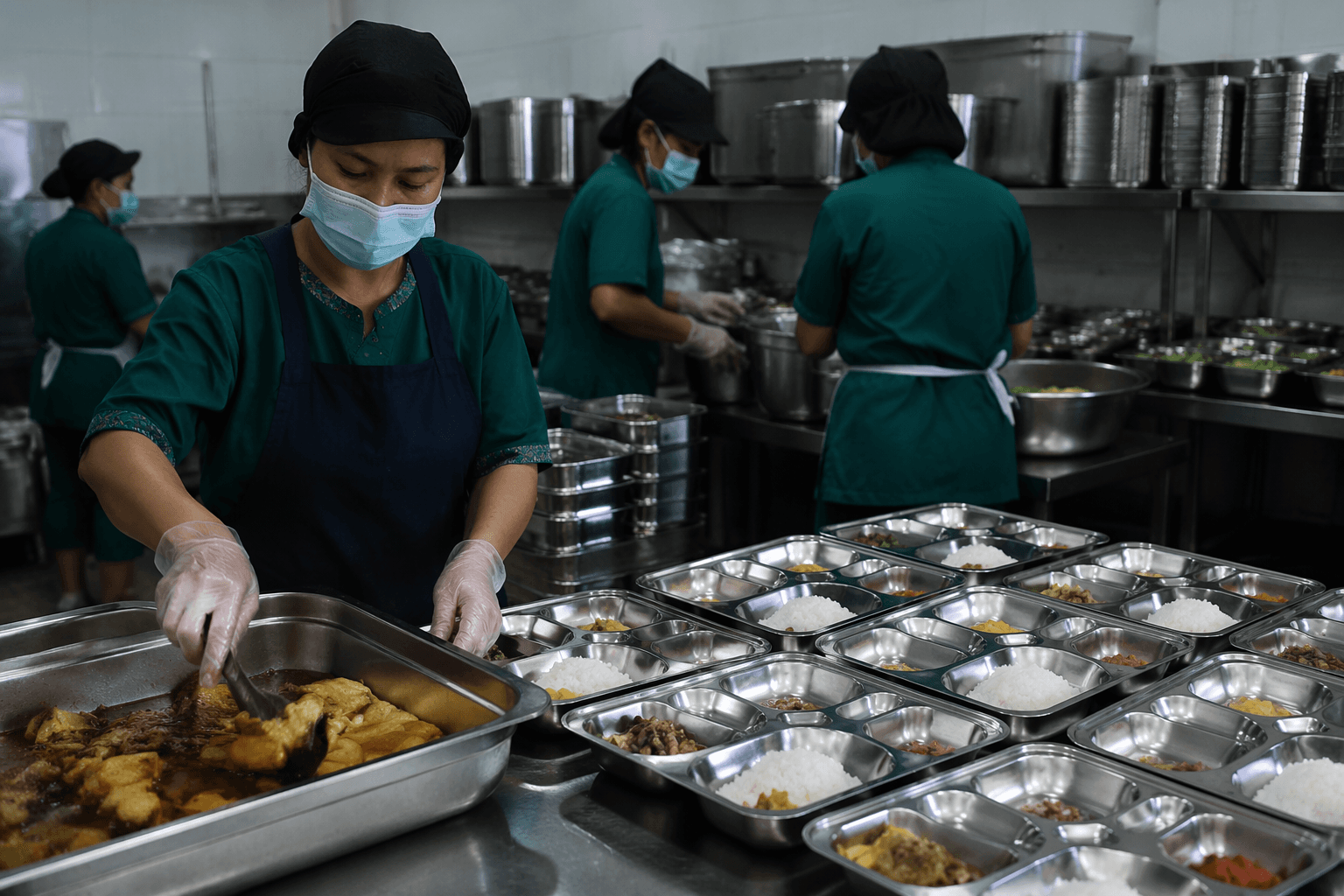
Nanik moved quickly to calm fears over spending and delivery. "Our concern is regarding budget efficiency so we will not burden the state budget," she said, while insisting the government still intended to meet its targets. She said the response would include a moratorium on new kitchens, a refocus on new recipients, and new methods for building kitchens in remote areas using grants or corporate social responsibility money instead of direct state funding.
Prabowo also named two new deputy heads, including former financial watchdog official Agustina Arumsari and Major General Trenggono, who had resigned from the military. He also appointed labour leader Said Iqbal as special adviser on manpower and labor welfare, broadening the leadership team around a program that has become one of his signature policies.
The free meals scheme was launched in January 2025 as a core campaign promise and is meant to reach 83 million children and pregnant women across Indonesia. It is expected to cost about $28 billion through 2029, but budget pressure has already forced cuts, with the 2026 allocation reduced to 268 trillion rupiah from 335 trillion rupiah. Spending had reached about 75 trillion rupiah by the end of April, when the program had served more than 62 million beneficiaries.
The program’s scale has also exposed implementation risks. More than 27,000 kitchens were already operating, but officials planned to pause approvals for new ones and shift resources toward frontier, outermost and least developed regions, where they said the program could work more effectively. That recalibration follows food-poisoning incidents affecting at least 33,000 children by April, along with allegations of budget misuse and repeated operational failures that now threaten the credibility of Prabowo’s most important social policy.
This article was produced by Prism’s automated news system from verified source data, official records, and press releases, then run through automated quality and moderation checks before publishing. The system is built and supervised by the people who set the standards it runs under. Read our full AI policy.
Did this article answer your question?

