Practical Agility Equipment and Setup for High-Energy Dogs, includes Build explosi fragment
A practical, no-frills guide lays out equipment, setup and safety for building home or community agility spaces for high-energy dogs, with actionable tips on anchors, surfaces and training.
A compact, safe agility space is within reach for owners of high-energy breeds who want purposeful exercise and sharper focus for their dogs. The guide’s purpose is clear: "A practical, no-frills guide to choosing and setting up dog-agility equipment for high-energy breeds, intended for hobbyists and owners who want a safe, effective agility space at home or in community settings," according to the Original Report.
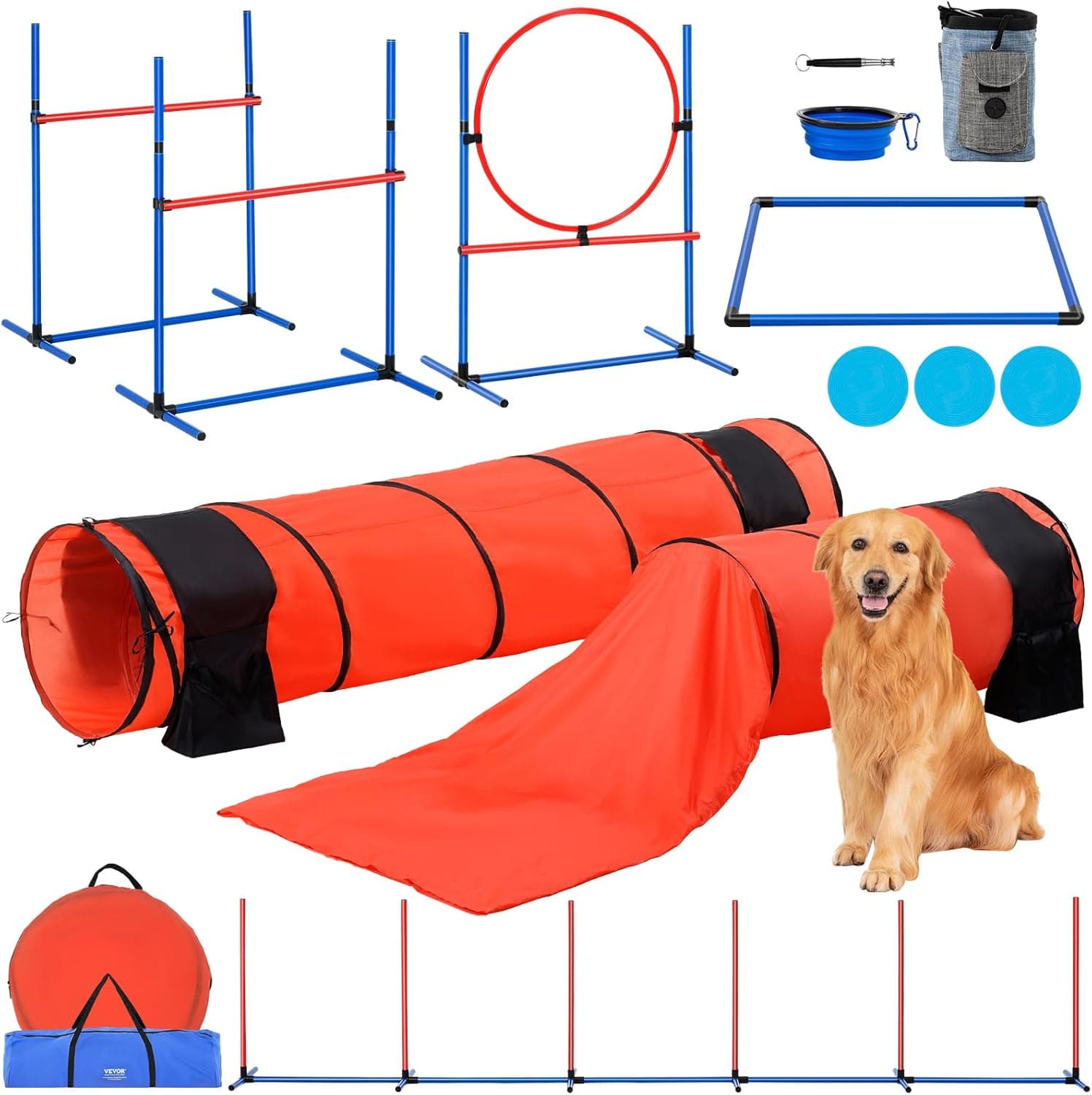
Start with the essentials. Jumps remain the bread-and-butter obstacle and most sources describe adjustable bar jumps as fundamental for scaling challenges to a dog’s size and skill. Agilityfinder notes, "No kit feels complete without these. The humble bar jump helps teach your dog to hurdle confidently, and thanks to adjustable poles, you can raise (or lower) the bar as the lessons stick." Hawaiidogtrainers sums up the beginner approach: "As a beginner, you don’t need a complex setup — just a few basic tools to teach foundational skills and build confidence."
Weave poles and tunnels form the next core. Agilityfinder recommends starting with a six-pole set—"With 6 in a starter set, your dog weaves left and right, improving flexibility. When you get hooked on the sport, you'll see competitions almost always use 12." Hawaiidogtrainers adds that "A beginner-friendly weave pole course should have wider spacing between the poles to make learning easier." Tunnels build pace and boldness; Hawaiidogtrainers calls them "a fun way to add excitement to your dog’s training. They encourage speed, build confidence, and teach your dog to trust your direction."
Stationary work matters. Pause tables and platforms teach dogs to "stop, stay, and focus, which is essential for navigating courses safely," per Hawaiidogtrainers. For contact obstacles, Ultimatespetfood stresses non-slip surfaces: "Your elevated equipment should have non-slip surfaces to keep paws secure going up or down."
Practical setup rules reduce injuries. Choose level, well-draining ground; "Soft grass or modern artificial turf is kindest to joints, while hard or rocky ground should be skipped," Agilityfinder advises. Space obstacles so dogs have breathing room: "Ensure adequate spacing: No one wins from a collision. Space everything out. Give your dog breathing room between each obstacle, especially while learning." Anchoring is non-negotiable—Ultimatespetfood lists "tunnel bags, sandbags and metal stakes with mitered ends" and Agilityfinder recommends "weighted bags and ground stakes" to stop wind or accidental moves.
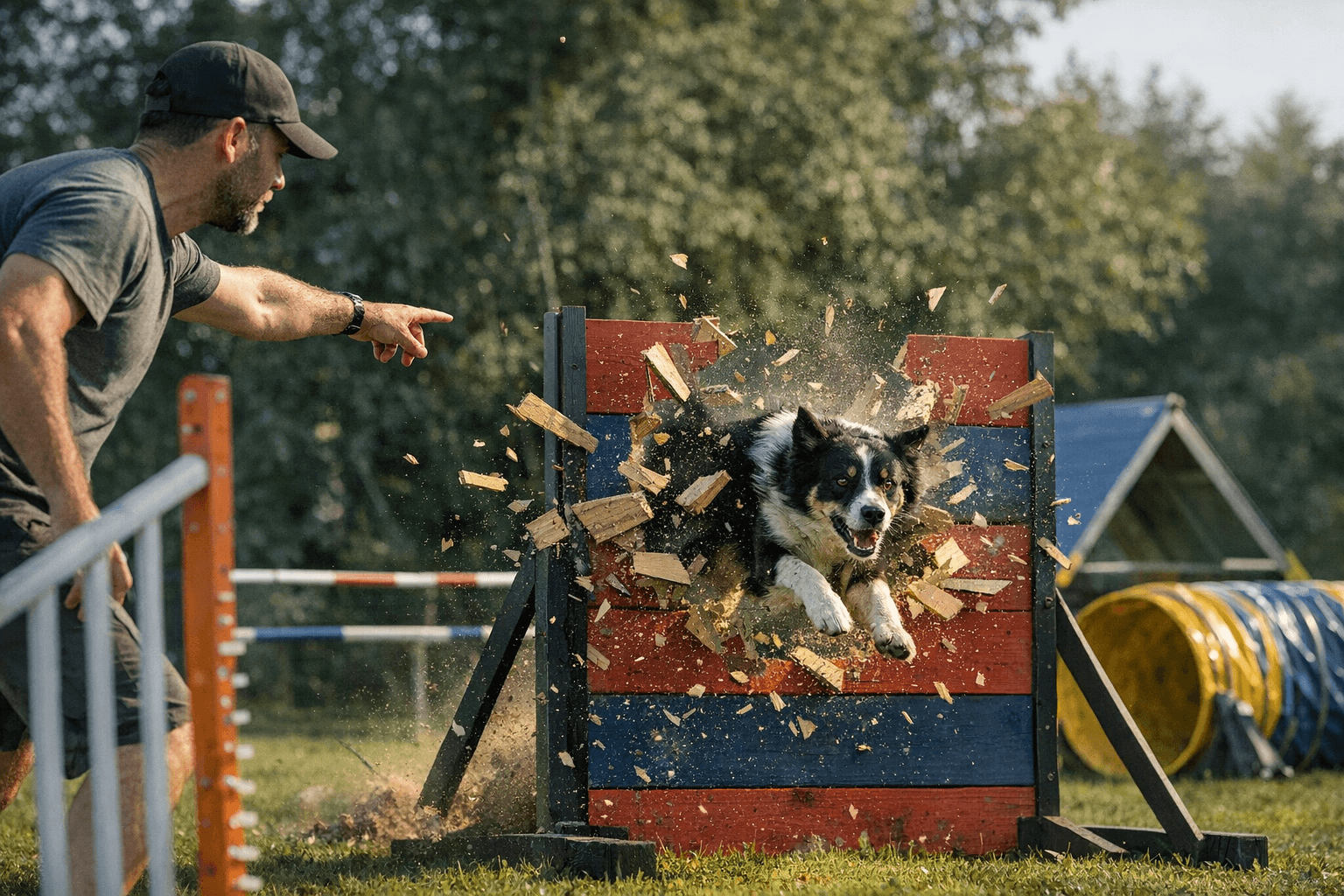
Training fits into everyday life. Ultimatespetfood recommends "Experts recommend 15–20 minutes a day to reinforce techniques learned in structured classes" and notes you can practice core skills in a compact area: "If your space is limited, you can practice single-jump exercises and core skills effectively even in a 10 x 10 foot area." For staged upgrades, Better Sporting Dogs offers product options and progression advice: "Better Sporting Dogs offers 3 different agility kits that are great to get started," and recommends adding "contact equipment or ladder" as a dog improves. Better Sporting Dogs also reminds readers, "SAFETY FIRST: Remember to always prioritize safety and have fun with your training sessions!" and advises owners to "make sure your dog is in good physical health before beginning any agility training. It’s a great idea to call your dog’s veterinarian to make sure they are cleared for any dog sport." The vendor additionally advertises "FAST & FREE Shipping on agility equipment in the contiguous US" and a "30-Day Refund Guarantee," and is identified as a subsidiary of Hoffco International Imports, LLC.
One source fragment remains incomplete: the Original Report includes the truncated line "Jumps (adjustable bar jumps): Build explosi" (truncated; incomplete). That fragment should be clarified before relying on any missing instruction it may have contained.
What this means for handlers is straightforward: start small, secure everything, prioritize surfaces and daily short sessions, and scale to contact obstacles only after basics are reliable. Regular equipment checks and careful anchoring keep practice productive rather than perilous. For clubs and neighbors, use these specifics to plan safe setup days, decide what to borrow or buy, and to map practice routines that fit available space.
Know something we missed? Have a correction or additional information?
Submit a Tip