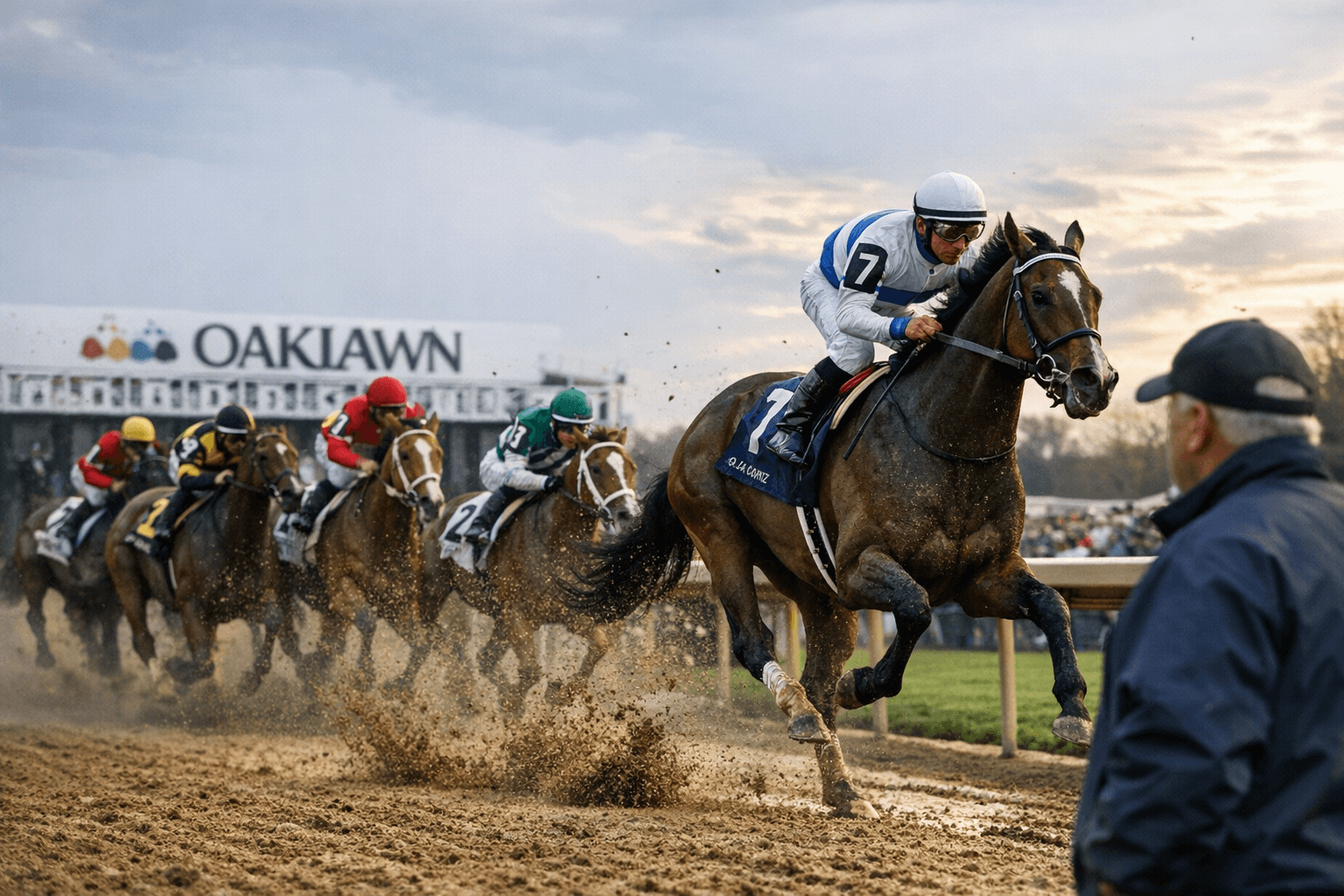
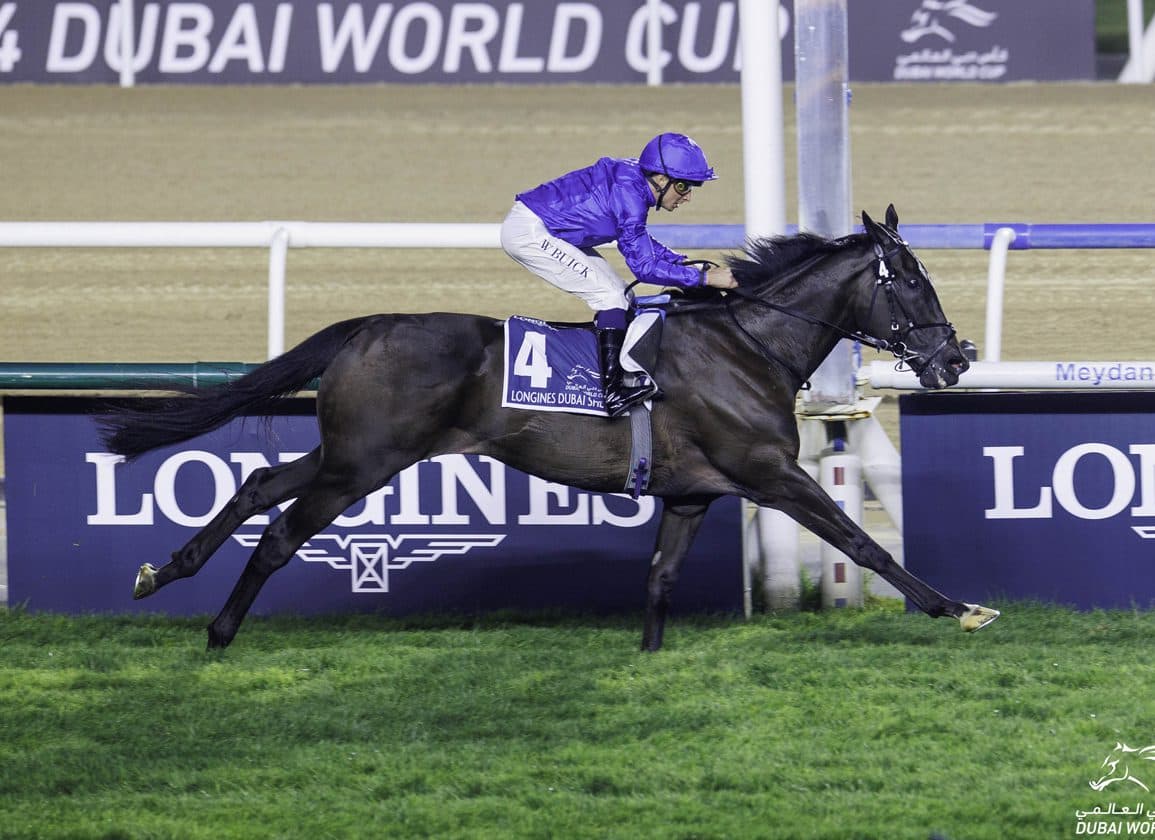
Practical evidence-based guide to preparing 2-year-olds for Kentucky Derby and Oaks
Two-year-olds need a staged, evidence-minded plan that times growth, conditioning, and selective racing to preserve classic potential for the Kentucky Derby and Oaks.
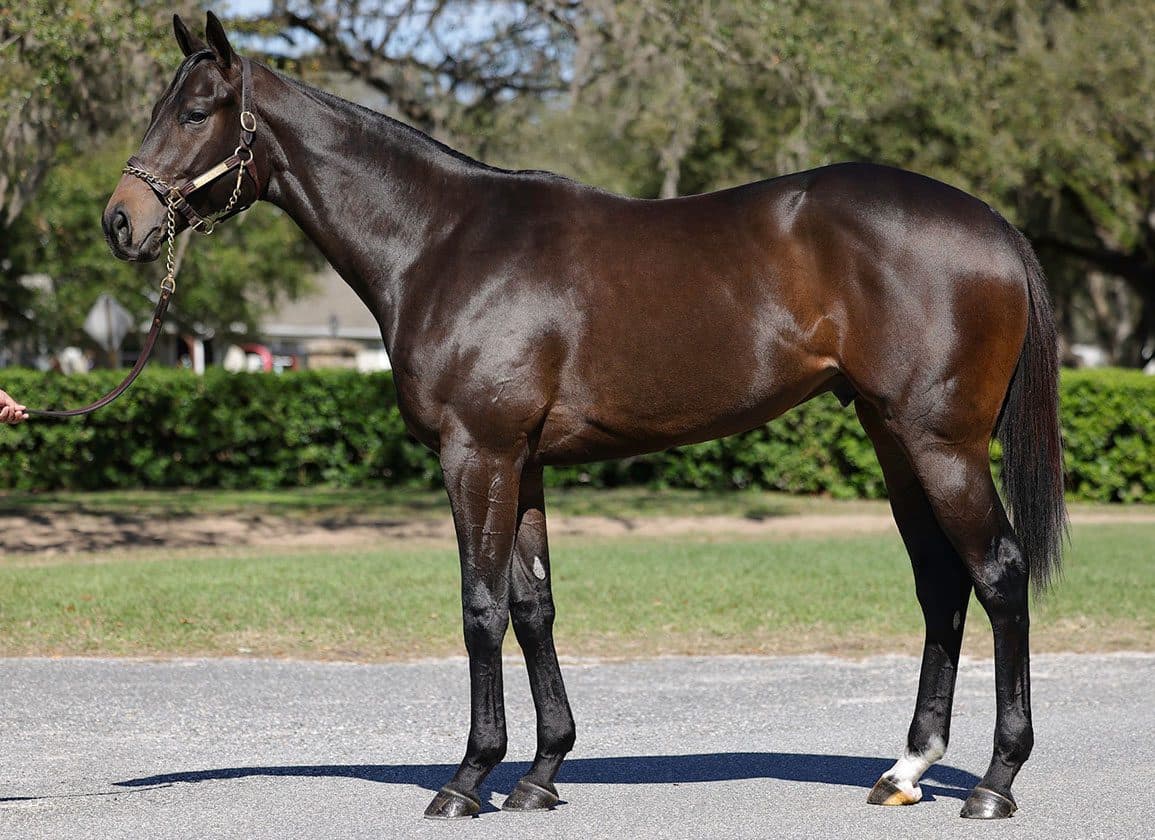
Preparing a 2-year-old for a potential Kentucky Derby or Kentucky Oaks campaign is a multi-year project that begins with selection at yearling sales and runs through a carefully timed race plan in the spring of the three-year-old year. Below is a practical, evidence-minded sequence trainers and owners use to maximize classic potential while protecting a young horse’s long-term value.
1. start with selection and pedigree alignment
Choose yearlings whose pedigrees and physical types have produced classic-distance horses; owners evaluating yearlings should prioritize families known to carry stamina into the three-year-old year rather than sprinter-only lines. Conformation—length of hip, shoulder angle, strong hindquarters—and correct limb alignment are primary indicators trainers use to predict how a horse will carry added distance and workload. For ownership groups, this is a financial decision: classic runners significantly change valuation and future stallion or broodmare potential, so pedigree and physical should be balanced against budget and risk tolerance.
2. baseline veterinary exam and growth-monitoring plan
Before breaking, establish a baseline veterinary profile that includes radiographs of growth plates where indicated, dental assessment, and a record of any congenital or early-life issues. Implement scheduled rechecks through the second and third years to monitor bone maturity and detect conditions such as osteochondrosis early—early detection shapes training load decisions. Use growth charts (height, heart girth, weight) to map expected maturation and to inform when to introduce speed work without overloading immature joints.
3. patient breaking and fundamental education
Break horses to saddle with a focus on balance, relaxation and mechanics rather than speed; early education should teach standing at the gate, bargaining for soft contact, and learning to carry a rider at varying paces. Trainers who prioritize mechanics over early sprinting typically avoid pushing peak speed as a 2-year-old, preserving tendon and joint health and enabling a smoother transition into 3-year-old conditioning. Document progress with consistent sessions and adjust cadence based on temperament—nervous types need more schooling time, while bold types require controlled exposure to prevent over-racing.
4. build an incremental fitness base (endurance then speed)
Structure conditioning so aerobic base work (long, steady gallops) precedes anaerobic speed by several months; this sequencing helps develop cardiovascular capacity and connective tissue resilience. Typical progression brings the horse from walk-trot work into 10–20 minute gallops, then interval work and controlled breeze sessions; avoid abrupt shifts to repeated short, fast breezes without a base. Monitor recovery metrics—respiratory rate, recovery heart rate, appetite—after each new workload increase to prevent breakdowns.
5. selective early racing to produce experience, not to peak
Use a small number of carefully spaced 2-year-old starts to teach competitive racecraft—breaks from the gate, handling pressure, and running in company—rather than to pile up wins. Two or three starts, spaced to allow recovery and schooling in between, give a horse enough exposure to make the transition to stakes prep efficient without burning the animal out before the three-year-old year. Owners should accept that a light 2-year-old campaign can preserve classic upside and ultimately protect value.
6. measured use of timed works and objective data
Incorporate timed breezes as diagnostic tools rather than résumé-builders; consistent data across training sessions lets you spot real fitness gains versus one-off fast efforts. Track split times, stride length, and recovery using stable timing devices and, where available, GPS or accelerometer systems to quantify improvement. Use objective trends to make race placement decisions—if a horse’s timed work plateaus or dips after increased volume, step back and reassess bone and soft-tissue recovery.
7. nutrition targeted to growth and bone health
Feed programs must support skeletal growth and provide controlled energy for training; that typically means forage-first rations with a balanced concentrate to meet caloric needs without promoting excessive early maturity. Ensure adequate calcium and phosphorus ratios and include vitamin D and trace minerals tied to bone deposition. Adjust rations seasonally and by workload, and consult your veterinarian and nutritionist when moving from a 2-year-old maintenance plan to heavier 3-year-old conditioning.
8. respiratory and musculoskeletal vigilance
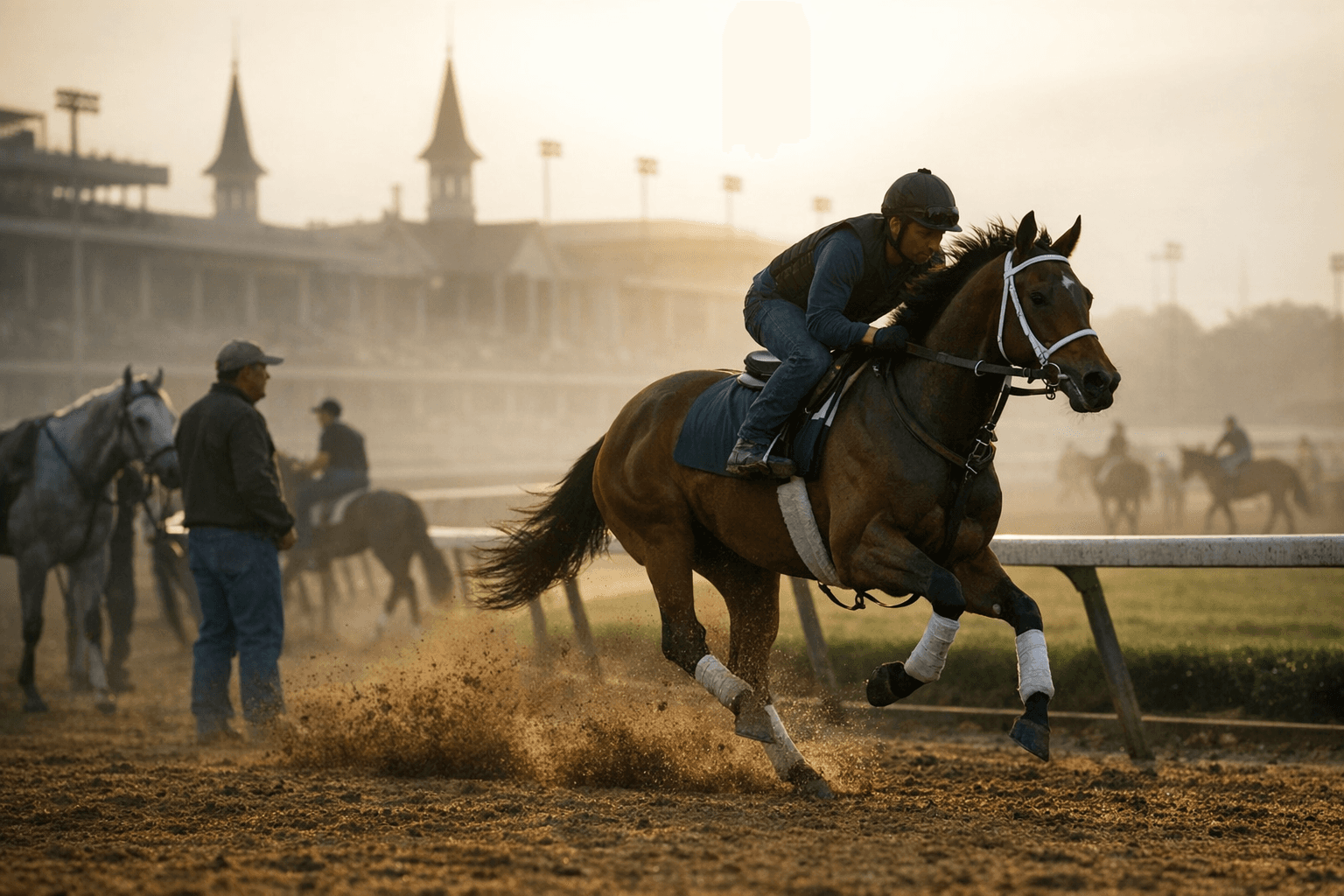
Establish routine endoscopic and lameness checks before escalating speed work; upper airway issues and early tendinopathies are leading constraints on a classic campaign and are easier to manage when caught early. Any decline in breeze quality or odd recovery patterns should trigger immediate evaluation. Treatments and surgical decisions should consider the long-term classic plan—some procedures shorten a filly or colt’s ability to train hard in the spring and must be weighed against Derby/Oaks timelines.
9. mental maturity, schooling, and exposure management
A classic campaign requires a horse that handles travel, the crowd, and in-race adversity; deliberately school horses at racetrack environments, ship them singly and in company, and expose them to starting-gate simulations. Avoid overexposure—too many trips and races at 2 can blunt desire—so balance behavioral schooling with adequate rest. For fillies on an Oaks path, consider the additional mental management around herd dynamics and handlers.
10. calibrated race planning into stakes and points paths
Map a three-year-old prep schedule early—identify target stakes and points series races that align with your horse’s distance profile and maturation pace, but remain flexible to performance and health signals. Owners and trainers should set contingency routes; for example, if a horse needs more time to stretch out beyond sprint distances, plan longer allowance races before committing to marquee preps. Financially, the stakes path affects purse income and year-end value, so align campaigning with both competitiveness and business goals.
11. conservative workload through early three-year-old prep
As spring approaches, gradually increase intensity with interval gallops and timed draws, but keep an eye on cumulative workload since breaking as a 2-year-old—horses with heavier juvenile campaigns sometimes require a reduced spring load to avoid stress injuries. Maintain at least one recovery week after a defined block of heavy training; use those weeks for schooling, turnout, and controlled walking to reinforce musculoskeletal adaptation. Decisions on when to point for a first big prep should be made with vet input and objective fitness markers.
12. ownership communication and alignment on risk vs reward
Owners need clear, quantified updates on development, risk factors, and campaign options; discuss the trade-offs between early racing for publicity versus preserving future value. Set explicit decision points tied to objective metrics (e.g., radiographic healing, timed-work thresholds, number of starts) so that trainer and owner decisions are evidence-based rather than emotional. Remember that preserving a horse’s stallion or broodmare value through patient management can outperform a high-risk sprint for early fame.
- Keep a single longitudinal training log per horse with dates, distances, times, medical notes and nutrition changes so trends are visible.
- Use turnout strategically—young horses benefit from regular turnout to build bone density and mental calm.
- Plan shipping rehearsals well before major race dates to minimize stress-related performance drops.
Practical tips and checks trainers and owners use:
As of March 2, 2026, the pragmatic consensus in stables pushing classic campaigns is clear: prioritize maturation and evidence over early fireworks. A staged approach—selection aligned to classic distance, incremental conditioning, selective 2-year-old racing for experience, and data-driven escalation into three-year-old preps—gives owners the best chance to preserve value and produce a competitive Kentucky Derby or Oaks contender. The most successful campaigns are those that treat a 2-year-old’s development as an investment horizon, not a sprint.
Know something we missed? Have a correction or additional information?
Submit a Tip