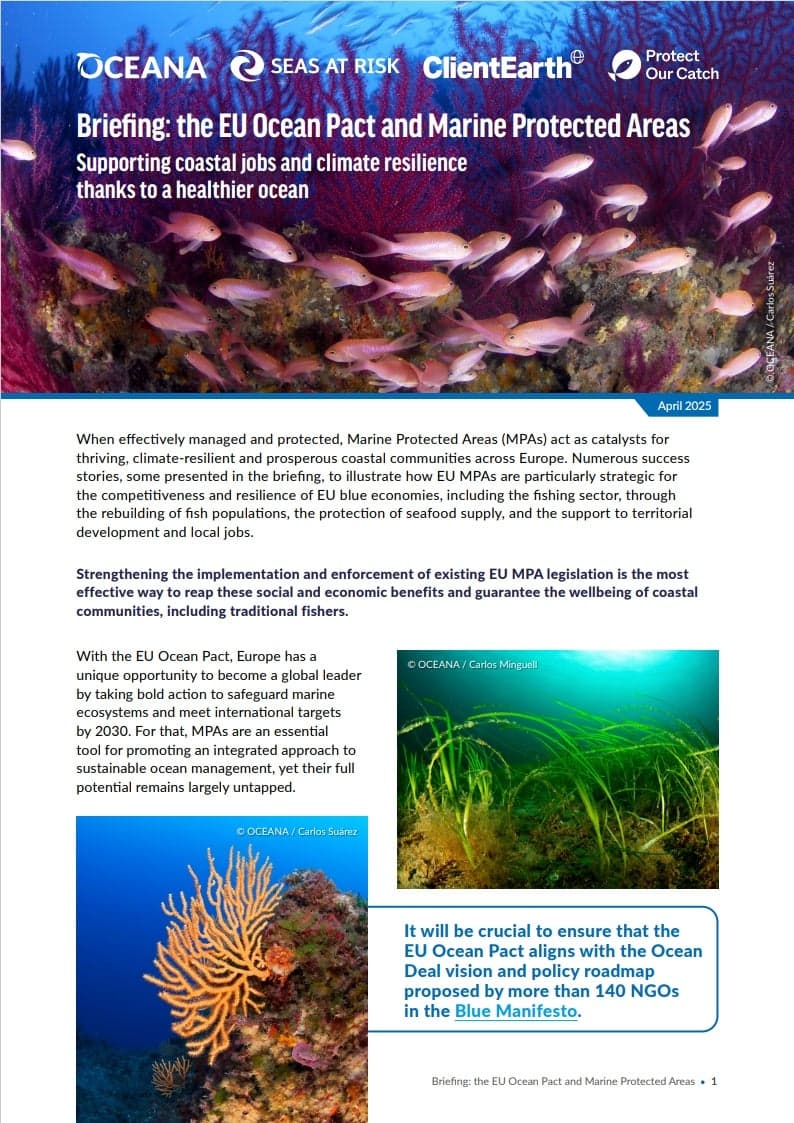
Practical Gear and Techniques Guide for Offshore Tuna Anglers
This article lays out a practical, gear-focused guide for hobby tuna anglers targeting yellowfin, bluefin, and albacore, covering tackle selection, bait choices, and presentation strategies that improve catch rates and safety offshore. Clear recommendations on rods, reels, lines, baits, rigging patterns, and boat preparation help anglers prepare for heavy fish and changing conditions.
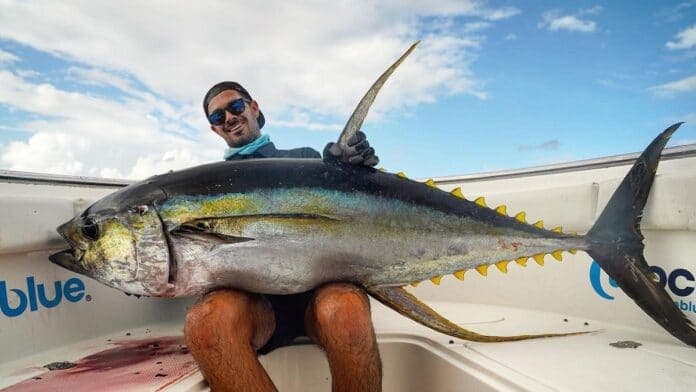
Offshore tuna work demands gear that can withstand long runs, high speeds, and abrasive mouths. Start with heavy-duty rods rated for 50–100 lb line paired with reels that hold 500+ yards of line for yellowfin and bluefin territory. Prioritize reels with smooth, powerful drag systems to control long, sudden runs and reduce the chance of break-offs during extended fights.
Select a high-test braided mainline in the 50–100 lb range for its low stretch and power-to-diameter advantage, and add fluorocarbon leaders for abrasion resistance and reduced visibility. Use proven braid-to-fluoro knots and verify them before leaving the dock. Maintain ample spare terminal tackle, including robust hook sizes matched to the species targeted.
Bait and presentation vary by technique. Live bait such as mackerel, sardines, and herring excels for live-lining and enticing active tuna. Dead baits like ballyhoo and squid work well for trolling and chunking. Chunking creates a bait slick that attracts and holds tuna; prepare by cutting baits into bite-sized pieces and dispersing them downcurrent to build scent and visual attractors.
Fishing techniques to mix during a day offshore include live-lining, chunking, trolling with staggered or wide spreads, using spreader bars, drift fishing, and vertical jigging. When trolling, plan staggered W-patterns or deploy outriggers to mimic bait schools and increase presentation coverage. Spreader bars and staggered lure placement help present multiple lure types and depths. Trolling speeds typically range from 4 to 9 knots depending on lure type and species targeted; adjust speed to the lure action and tuna behavior observed on the day.
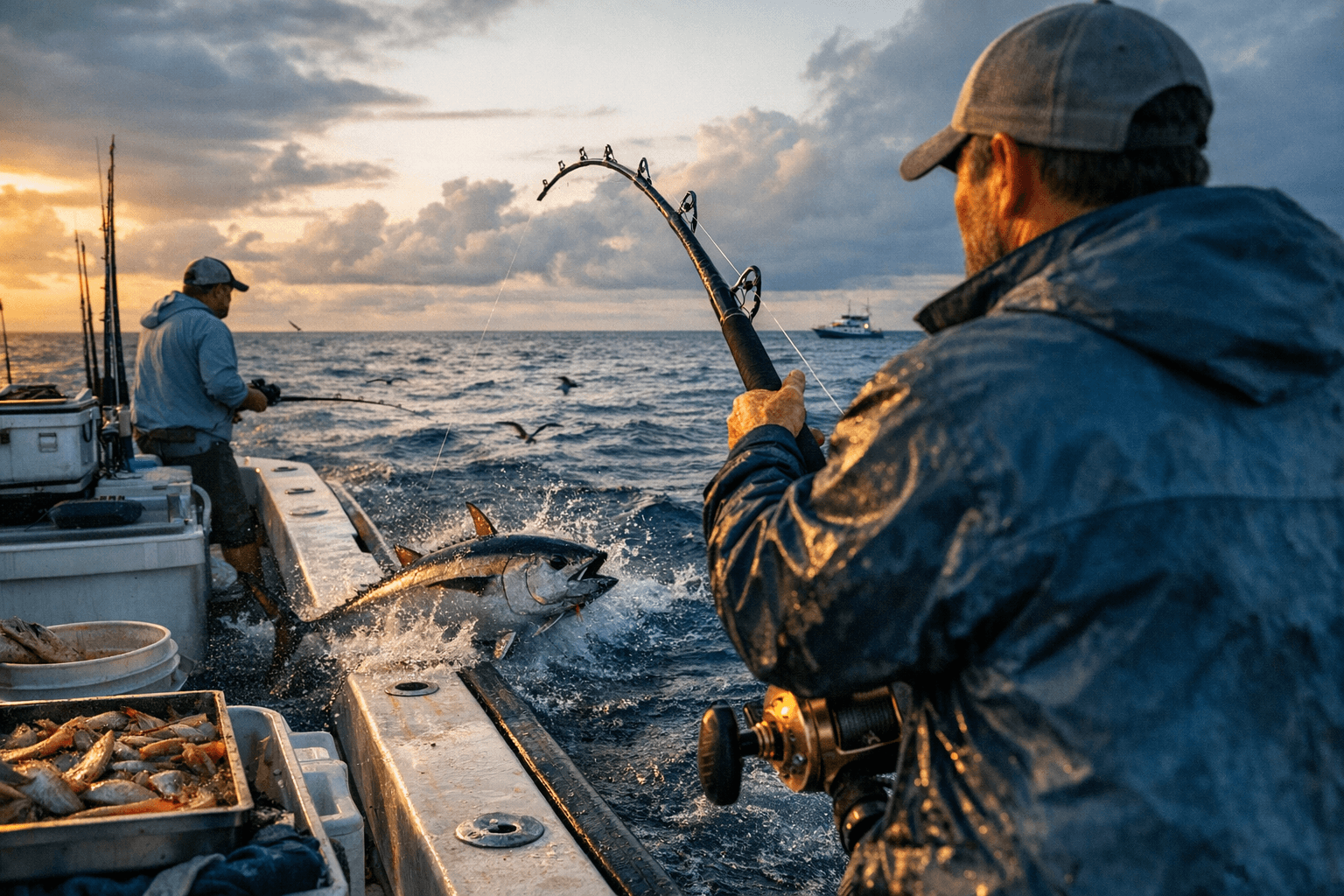
Rig choices affect hookup rate and post-catch handling. Use circle hooks where appropriate to promote better hook-up locations and to simplify releases when catch-and-release is required. Match hook strength and style to the size of the expected fish and the chosen bait.
Safety and boat preparation are integral to productive trips. Outfit the boat with adequate gaffs, fighting harnesses, and a well-organized tackle station. Stock spare reels, leaders, swivel snaps, and a range of hook sizes. Inspect all terminal gear for corrosion and wear before each departure.
This practical approach brings immediate benefits: faster rigging, better hook-to-fish ratios, safer boat handling, and more predictable outcomes when tuna strike. Verify knots and gear under load during pre-trip checks, adapt presentations based on what the fish are taking, and plan for a smooth, well-equipped day on the water.
Sources:
Know something we missed? Have a correction or additional information?
Submit a Tip