Practical guide for hobbyist true-crime researchers on ethical methods
A concise primer for hobbyist true‑crime researchers on safe, ethical methods. Covers public records, FOIA, interviews, legal limits, and practical workflow tips.
Decide your objective before you begin: are you tracking recent developments, compiling a timeline, pursuing cold‑case leads, or preparing material for a podcast or article? A tight scope helps you avoid legal and ethical mistakes and keeps your work useful to investigators and the community.
Start with publicly available official records. Use police press releases and law‑enforcement PIO pages for incident descriptions, arrest and charge details, and direct contact points. Pull court dockets from PACER for federal cases, expect small fees and learn basic navigation, and use state and county court portals for criminal case lookups, dispositions, and sentencing entries; many counties publish searchable dockets at no charge. Check vital records, property records, and business filings to confirm addresses, relationships, and timelines; these often carry nominal fees.
Treat forensic and genetic topics with caution. Genetic genealogy and advanced DNA tools are powerful but require lab access and legal authority. Do not attempt to run or upload suspect DNA yourself; rely on official statements or established nonprofit labs when appropriate. Be mindful of privacy laws such as GINA and platform terms before handling genetic data.
When contacting people, be respectful and transparent. If you reach out to victims’ families, survivors, or nonpublic witnesses, identify yourself and your purpose, and accept “no comment.” Use official channels, PIOs and attorneys, for requests for comment or clarification rather than cold outreach that can retraumatize or risk doxxing.
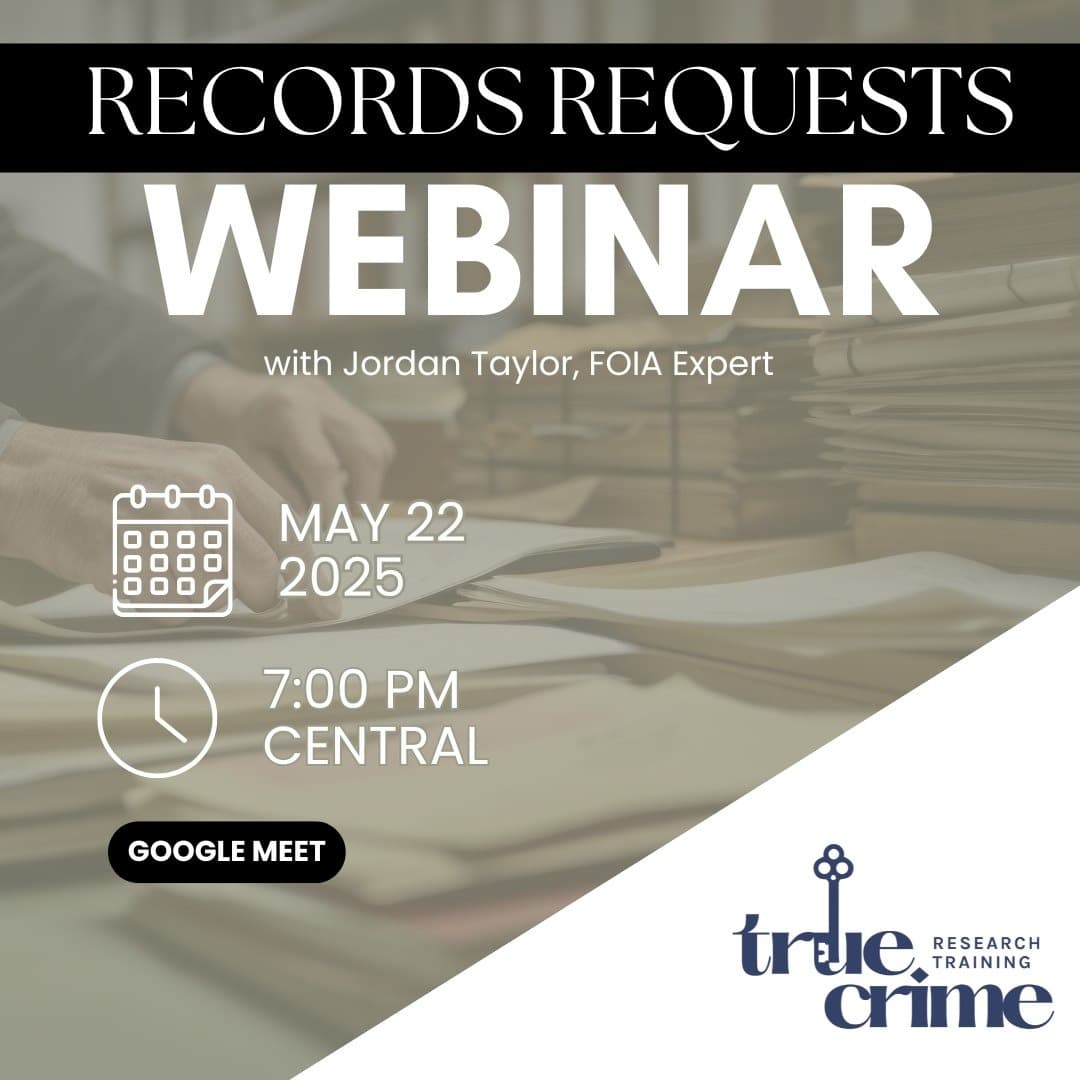
Use Freedom of Information laws strategically: tailor requests narrowly to reduce processing delays and ask for specific items like incident reports, body‑cam logs, or video files. Expect redactions and waiting periods; be precise to increase your chances of a usable response.

Vet sources rigorously. Favor primary documents, court filings, official press releases, coroner’s reports, over social posts. When you rely on secondary reporting, cross‑check facts against at least two independent reputable outlets. Maintain a single, dated timeline document with source, date, and the exact wording for each fact; archive web pages you cite as PDFs or in web archives to preserve contemporaneous evidence.
Adopt safe workflows and tools: local library databases, Nexis if available, and university libraries are invaluable for background reporting. Join legitimate cold‑case networks or genealogy groups that emphasize ethics, and if you have a credible tip, provide it to law enforcement through official channels rather than airing accusations publicly.
Know your legal and ethical boundaries: never trespass, impersonate, or obtain private data illegally; avoid naming uncharged suspects in public work; and consider the emotional impact on victims’ families. For practical next steps, verify local procedures, start that dated timeline today, and prioritize primary documents over rumor. Your work can sharpen investigations and protect communities when it follows legal rules and ethical standards.
Know something we missed? Have a correction or additional information?
Submit a Tip