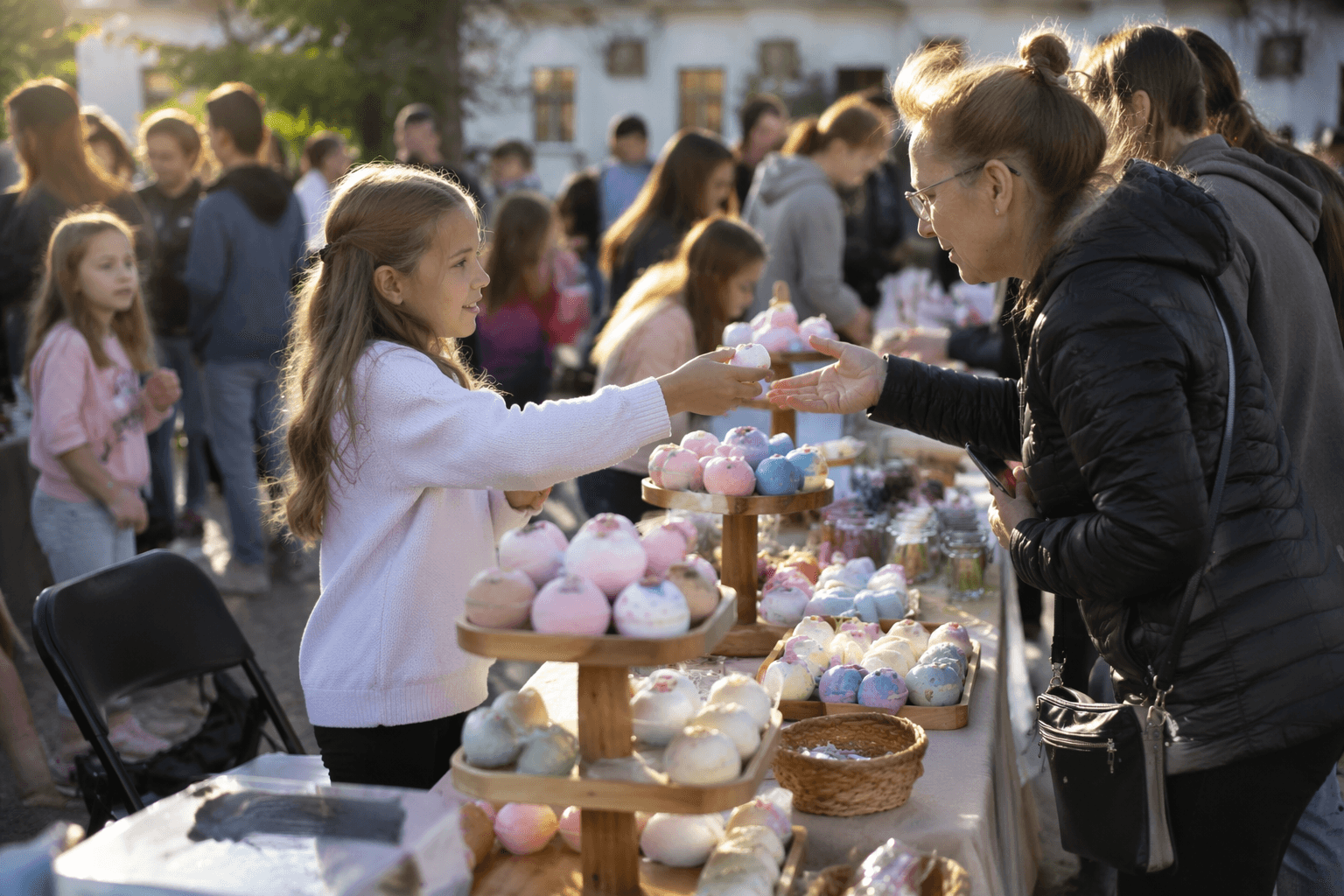
Practical regulatory and safety guide for selling bath bombs in 2026
If you make and sell bath bombs online, at markets, or craft fairs, basic regulatory and safety steps can protect customers and your small business. This guide lays out what to label, how to reduce contamination risk, what claims to avoid, and practical packaging and local-permit checks that matter right now.
Selling bath bombs brings creativity and income, but it also brings regulatory responsibilities and safety choices that affect customers and your reputation. In the United States bath bombs marketed for cleansing, beautifying, or altering appearance are cosmetics under federal law, and manufacturers and distributors are responsible for ensuring products are safe and properly labeled. Labels typically must include product identity, net quantity, and the name and place of business of the manufacturer, packer, or distributor, so verify that packaging meets those basics before you list products or set up a table at a market.
Microbiological safety matters even for rinse-off products. Minimize contamination risk by following good manufacturing practices, keeping work areas and equipment clean, and avoiding ingredients prone to microbial growth unless you have a preservation strategy. Consider formal preservative testing if you include water-based or hydrating additives. The Food and Drug Administration provides guidance on microbiological safety for cosmetics and maintains a Small Businesses & Homemade Cosmetics fact sheet that answers common questions; that fact sheet is available at fda.gov/cosmetics/resources-industry-cosmetics/small-businesses-homemade-cosmetics-fact-sheet.
Be transparent about ingredients and allergens. Declare fragrance, essential oils, and common allergens such as nut oils on your label, even if present at low concentration. Clear ingredient disclosure helps buyers with sensitivities make safe choices and reduces the chance of returns or complaints.
Claims and advertising require care. Avoid unsubstantiated therapeutic claims, for example stating a product “treats eczema,” unless you have the evidence and regulatory pathway to support a drug claim. Similarly, be precise and support any “organic” or “natural” claims to avoid misleading buyers or regulatory scrutiny.

Local rules matter as much as federal guidance. Check state and local business licensing, market vendor rules, and any permits required for sales and sales tax collection. Cottage-food exceptions rarely apply to cosmetics, so don’t assume those rules will cover bath-bomb sales.
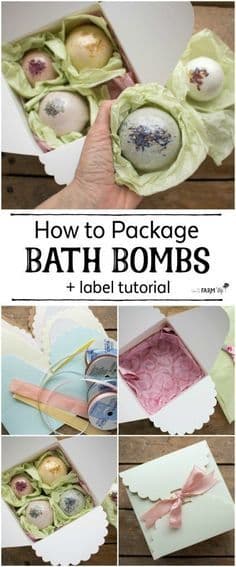
Practical packaging choices reduce complaints and extend shelf life. Use airtight, moisture-resistant packaging, include batch or lot codes, and add a manufacture or recommended use-by date if you expect color or scent to fade. Provide basic directions and storage guidance on the label to help customers get the best experience.
Verify sources, review the FDA small-business guidance linked above, and incorporate these steps into production and sales routines to protect customers and keep your bath-bomb business running smoothly.
This article was produced by Prism’s automated news system from verified source data, official records, and press releases, then run through automated quality and moderation checks before publishing. The system is built and supervised by the people who set the standards it runs under. Read our full AI policy.
Know something we missed? Have a correction or additional information?
Submit a Tip