Prattville's artesian wells remain community treasures and water sources
Prattville's historic artesian wells still flow at public sites and shape local identity. They offer free spring water and connect residents and visitors to Fountain City history.
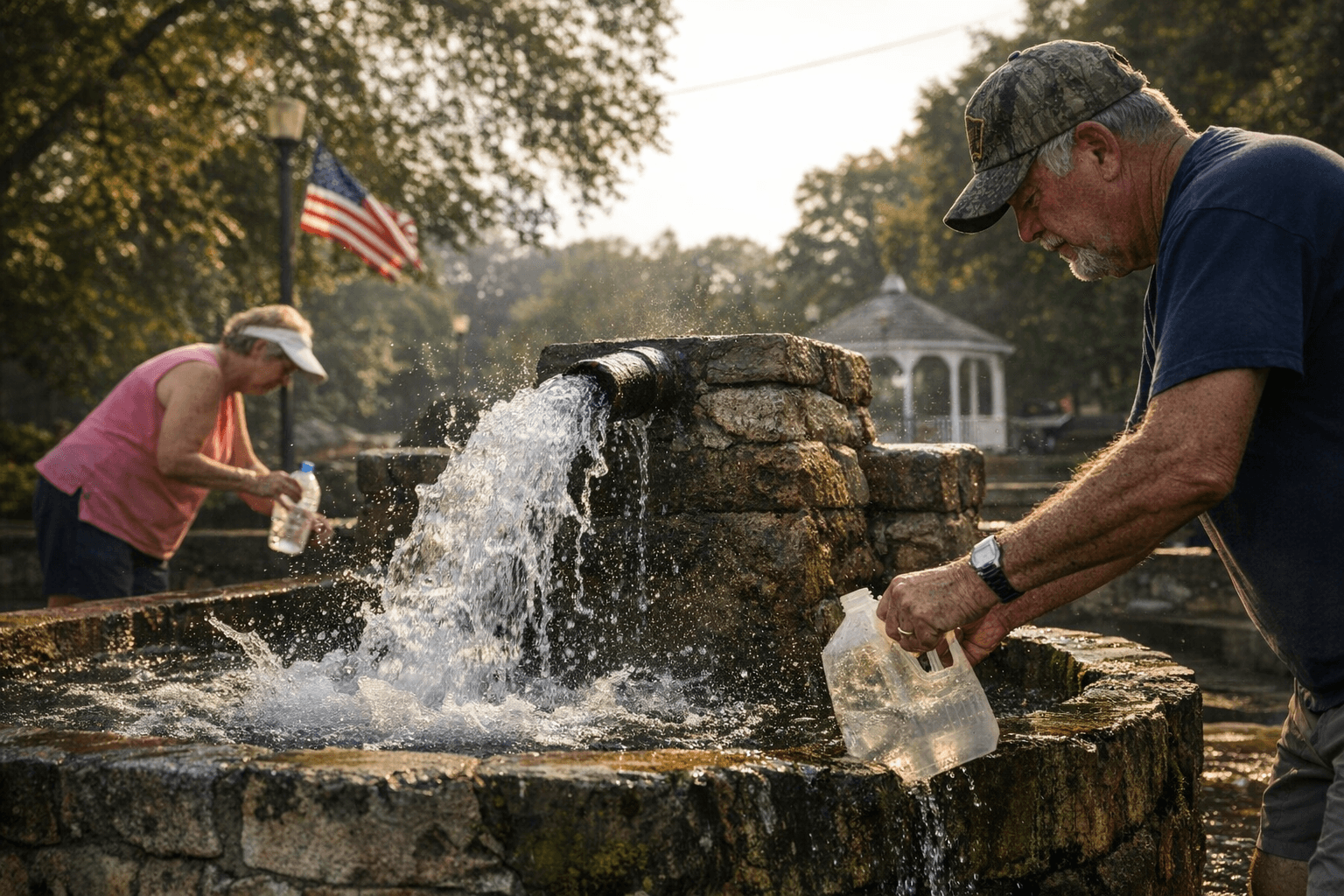
Prattville’s artesian wells continue to be a tangible link between the city’s past and present, with several publicly accessible springs still drawing residents, visitors and regular jug runs. Once numbering in the hundreds around Prattville, these artesian sources helped earn the town its Fountain City identity and remain maintained gathering spots at sites such as the Prattaugan Museum, Heritage Park, the First Baptist Church parking lot, and the Doster Road Artesian Well House.
The wells are more than photo ops. For many locals they are a practical source of fresh spring water and a ritual of community life. The historic Doster Road well house, adjacent to Doster Road, and the springs near local landmarks are often mentioned in visitor guides and heritage coverage as small, no-cost points of interest that tie into Prattville’s industrial and cultural story. Conservancy and civic groups, along with city maintenance, help keep some of these sites accessible and welcoming.
Public health and equity concerns accompany that accessibility. Untreated spring water is not regulated in the same way as municipal supply, and local public health experts note that natural sources can carry bacteria, parasites or chemical contaminants depending on land use and groundwater conditions. For people who depend on these wells as a low-cost source of drinking water, the stakes are higher for pregnant people, young children, older adults and anyone with a weakened immune system.
Policy choices at the local level shape how safe and inclusive these sites can be. Routine testing, clear signage about water quality, regular maintenance of well houses and outreach to residents who collect water can reduce risk. Ensuring that the wells remain free-to-visit community assets means balancing historic preservation with basic public health safeguards, and that requires collaboration between municipal staff, historical organizations and public health authorities.
For newcomers and visitors, the wells are an entry point into Prattville’s story and a practical stop for fresh water. For long-time residents they are part of neighborhood routine and social life. Protecting that tradition while keeping people safe is a public health and social equity issue as much as a heritage concern.
The takeaway? Enjoy the wells and the Fountain City history they embody, but treat spring water cautiously: look for posted information, use clean containers, and consider municipal water for vulnerable household members. Our two cents? Keep walking to these storied spots, but pack a plan to ensure the water you bring home is safe.
Sources:
Know something we missed? Have a correction or additional information?
Submit a Tip