Premier League set-piece surge fuels chaos in Arsenal-West Ham VAR drama
A late corner and a long VAR check turned Arsenal-West Ham into a referendum on set-piece football, where marginal fouls can decide title races.
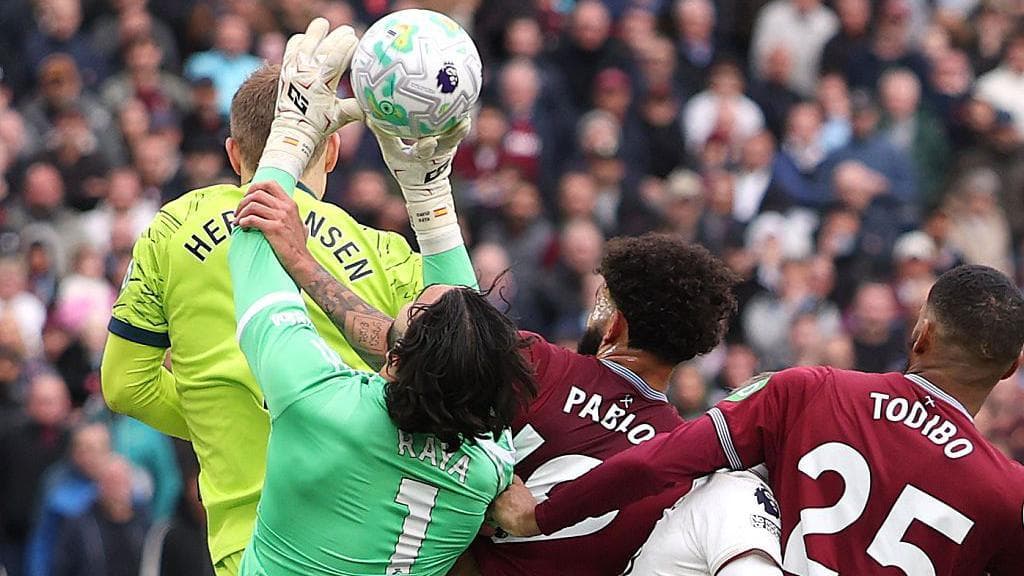
The new power center in Premier League football
The Premier League’s dead-ball obsession has reached a point where every corner feels like a stress test for referees, defenders and title hopes. After 11 matchweeks of the 2025/26 season, the league had already produced 80 set-piece goals, up from 64 at the same stage a year earlier, while long throws had generated 11 goals, only one fewer than the full-season total from the previous campaign.
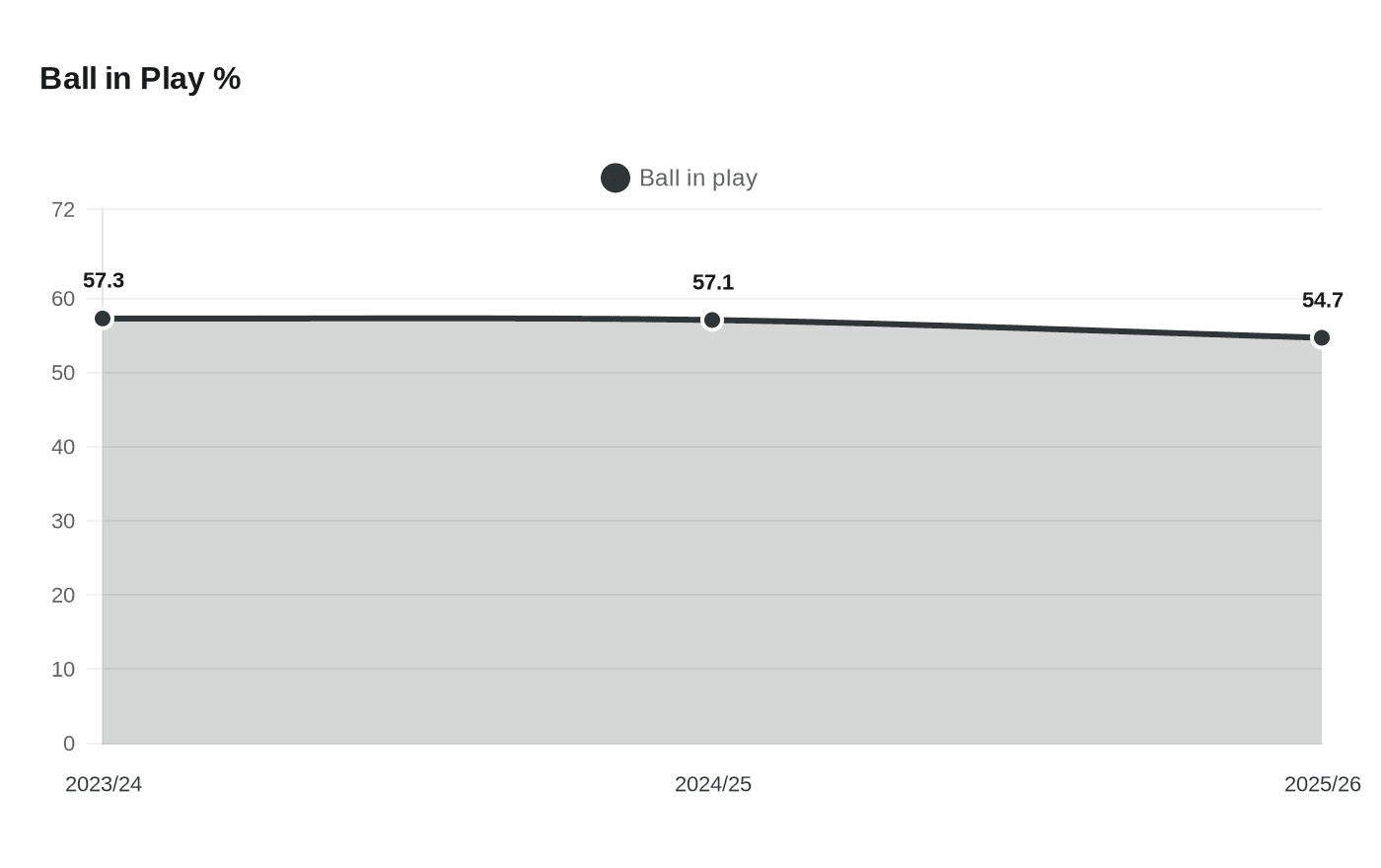
That surge has come alongside a visible slowdown in open play. The ball was in play for just 54.7% of match time, down from 57.1% in 2024/25 and 57.3% in 2023/24. In practical terms, the league is spending more time on restarts, more time on rehearsed contact in crowded boxes, and more time asking where tactical ingenuity ends and obstruction begins.
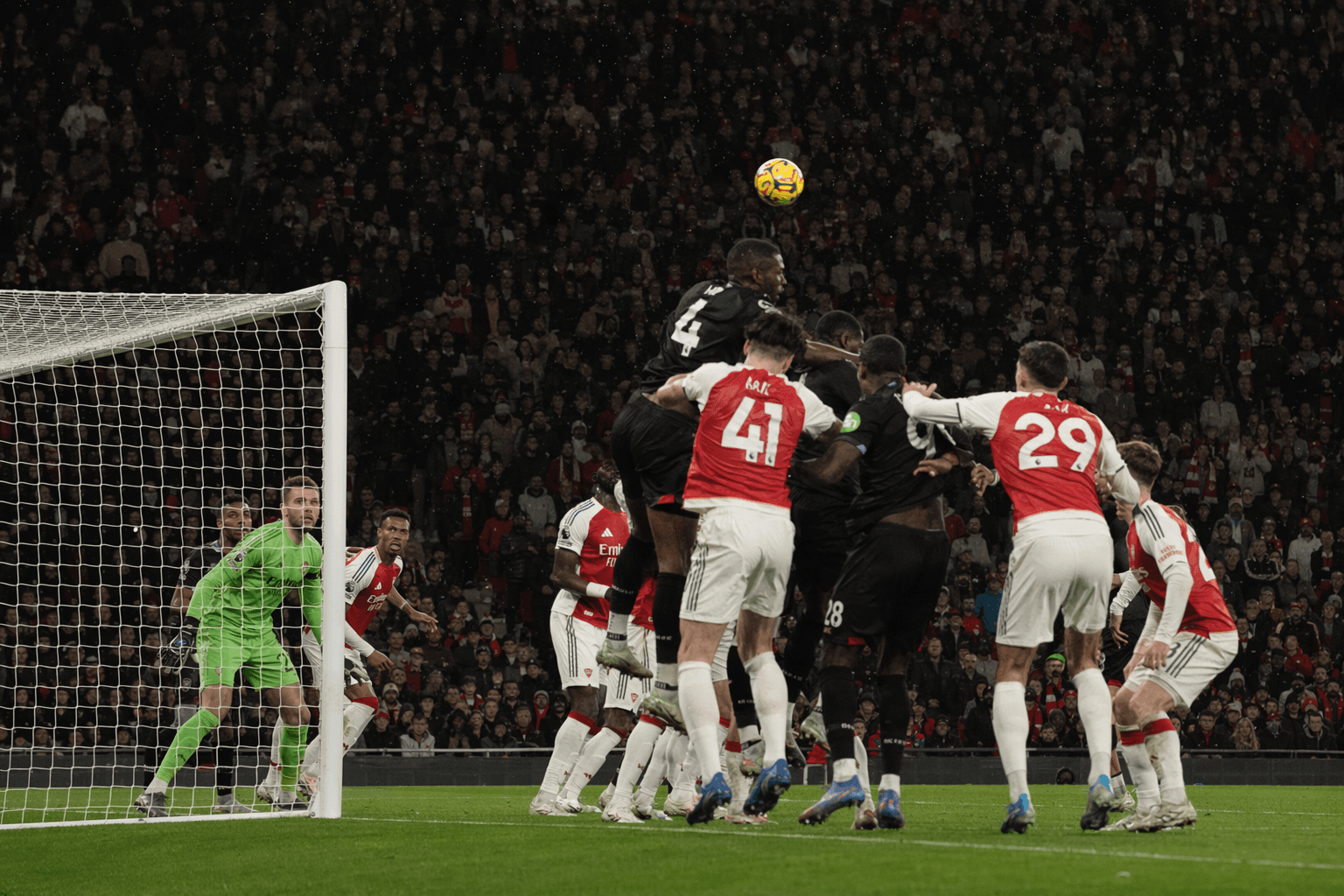
The corner that split the table
The flashpoint came at the London Stadium, where West Ham thought they had salvaged a dramatic equaliser against Arsenal in the 94th or 95th minute after a corner scramble ended with Callum Wilson scoring. The celebration did not last. After a prolonged VAR review, the goal was ruled out for a foul on Arsenal goalkeeper David Raya in the build-up, with on-field referee Chris Kavanagh and VAR official Darren England central to the call.
The sequence was messy enough that match reports identified several possible infringements at once. Pablo appeared to impede Raya, Jean-Clair Todibo was seen pulling on Raya’s shirt, and Declan Rice was also involved in contact with Konstantinos Mavropanos. Some reports said the Rice and Todibo incidents were reviewed and cleared, but the final decision focused on the challenge around the goalkeeper, the kind of marginal but consequential judgment that increasingly defines elite football.
Why corners are becoming a tactical arms race
This is not just a story about one controversial review. It is the logical endpoint of a league-wide shift in which set pieces have become a coaching battleground, with clubs investing more in delivery, blocking patterns, screens and second-ball positioning. Corners are no longer treated as isolated moments of chance; they are engineered possessions, designed to overload space, create confusion and force defenders into half-legal grappling.
The Premier League’s own numbers show how much those restarts matter now. Eighty set-piece goals after 11 matchweeks is a substantial jump from 64 at the same point last season, and the explosion in long-throw threat points to a broader willingness to weaponise every dead-ball option available. The message from the data is simple: if open play is slightly less available, teams will mine the margins harder.
The referee’s dilemma inside the penalty area
The West Ham incident also exposed how much tolerance now exists for contact before a foul is finally called. At corners, holding and wrestling often start before the ball arrives, and the challenge for officials is deciding when that physicality becomes decisive interference rather than normal box combat. In this case, the review took in multiple possible fouls in the same sequence, which only sharpened the sense that the law is being asked to distinguish between routine jostling and match-changing illegality in a space where both are common.
That is why the decision landed so hard. Gary Neville called it the “biggest moment in VAR history” in Premier League commentary, a comment that captured the scale of the stakes as much as the controversy itself. When one late set piece can affect both a title chase and a relegation battle, the pressure on every camera angle, replay and interpretation becomes enormous.
What the ruling means for Arsenal and West Ham
For Arsenal, the reward was more than survival in a chaotic away match. Leandro Trossard’s late winner sealed all three points and restored the Gunners’ five-point lead at the top of the table. With two matches left, Arsenal needed two wins to guarantee a first top-flight title in 22 years, regardless of Manchester City’s results.
For West Ham, the disallowed equaliser was another brutal reminder of how thin the margins are near the bottom of the table. A goal that would have changed the emotional and mathematical shape of the night instead disappeared into a VAR review, leaving the club to absorb both the defeat and the frustration of a decision that felt season-defining in real time.
Where the game may go next
The broader significance may be even larger than the points table. Football’s lawmakers are expected to examine grappling in the penalty area during set pieces, and that scrutiny is overdue if the sport wants consistency in how contact is judged. The current balance encourages attackers to crowd the six-yard box and defenders to lean, tug and obstruct just enough to gamble on getting away with it.
What happened at the London Stadium showed the modern truth of Premier League football: corners are no longer routine restarts, but high-value events in a tactical and regulatory arms race. As dead-ball situations keep growing in importance, the line between clever preparation and rule-bending will only get harder to draw, and more matches will be decided in that narrow, chaotic space.
This article was produced by Prism’s automated news system from verified source data, official records, and press releases, then run through automated quality and moderation checks before publishing. The system is built and supervised by the people who set the standards it runs under. Read our full AI policy.
Did this article answer your question?
.jpg&w=1920&q=75)