Pressurized growlers guide boosts options for draft-quality beer transport
Homebrew Academy reviewed pressurized growlers to help brewers move draft-quality beer home and share fresh beer without bottling.
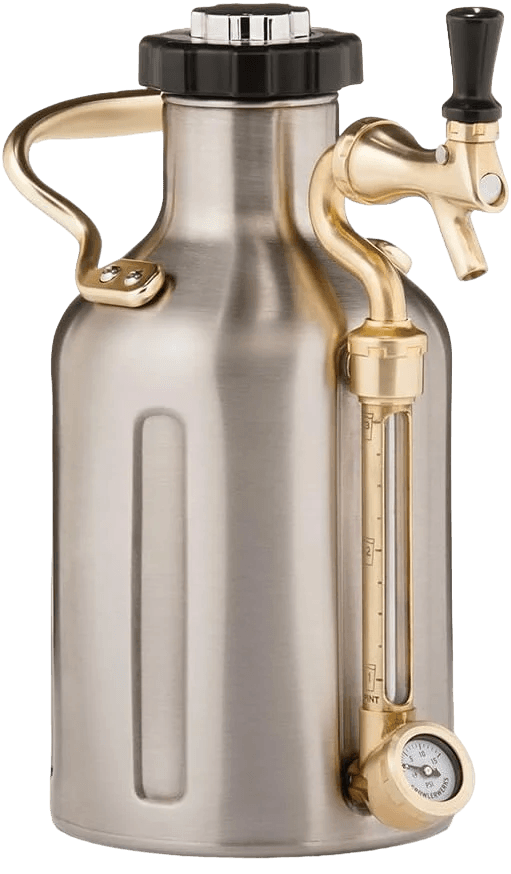
Homebrew Academy published a hands-on equipment guide on January 7, 2026 that assessed pressurized growlers for transporting and serving draft-quality beer. The piece explains what VPR/CO2-assisted growlers do, why brewers and taproom customers are adopting them, and what to weigh when choosing one — a practical primer for anyone thinking about moving from bottles to bulk transport.
Pressurized growlers use a small CO2 supply and a pressure-regulating cap to preserve carbonation and freshness after you leave the tap. That capability makes them useful for bringing beer home from a taproom, sharing fresh homebrew with friends without bottle conditioning, or testing kegged batches on the move. The guide’s core takeaway: if you want draft quality at home or at a potluck, a pressurized growler is a straightforward, portable step toward kegging.
Material choice matters. Stainless steel models such as the GrowlerWerks uKeg and TrailKeg earned praise for insulation and durability; their double-wall construction keeps beer colder longer and resists dents and breakage, but they are opaque so you lose the sight glass. Glass and vacuum-insulated glass models look nicer and let you monitor level and clarity, but they are vulnerable to UV exposure and breakage — keep them refrigerated and out of sunlight. Ceramic offers an aesthetic middle ground but shares fragility concerns.
The guide included a top-five product roundup listing the GrowlerWerks uKeg, TrailKeg, Square Keg, and other representative models, with pros, cons, and short specs on capacity, portability, and regulator features. Practical buying advice focused on matching capacity to use case — 64-ounce and 128-ounce sizes remain the most common — and checking regulator quality and spare parts availability, since cap and regulator wear over time is a real operational issue.
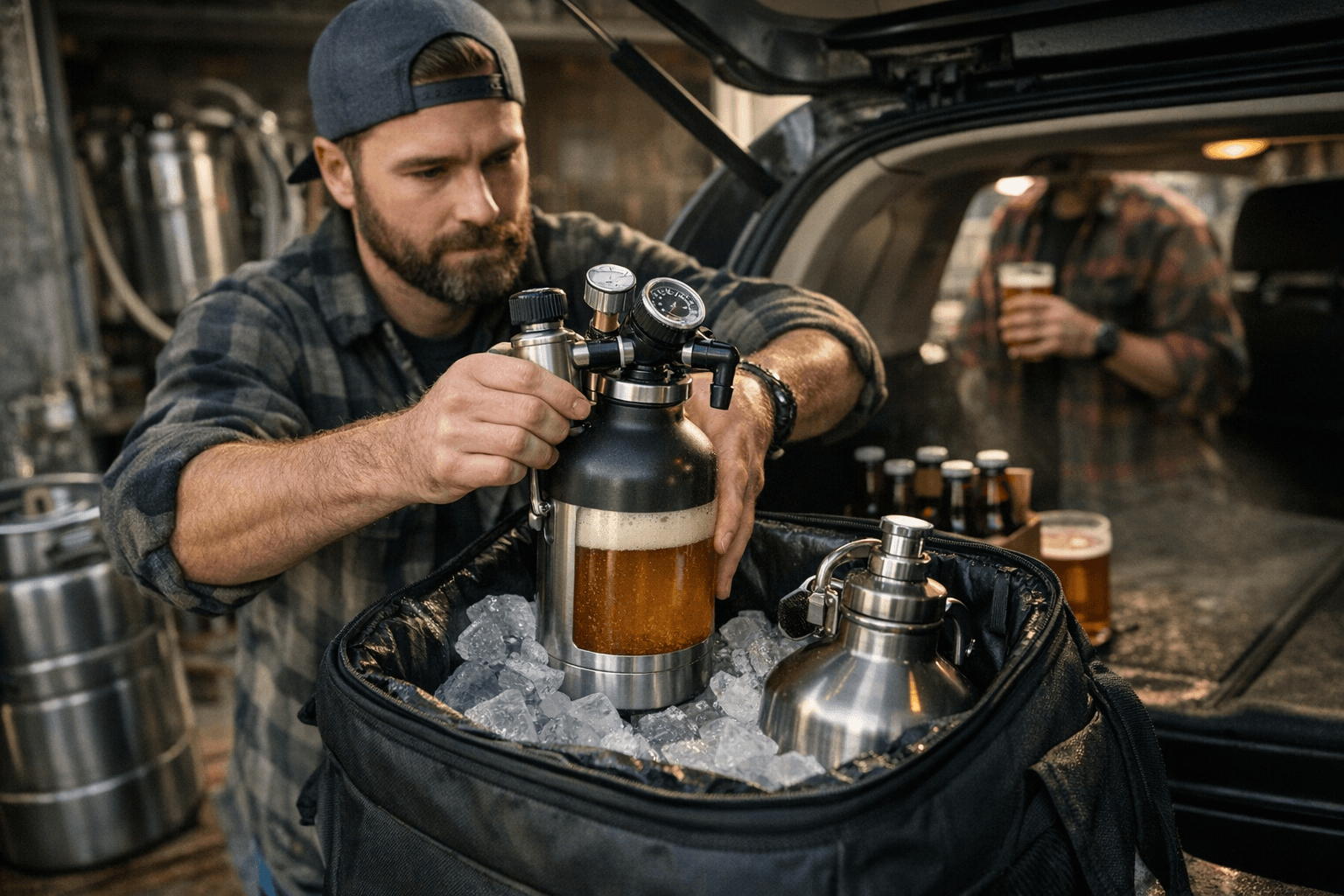
Cleaning and maintenance got a lot of attention. For quick turnarounds, a hot-water rinse and drain will cut most beer residue. For longer storage or when switching beers, the guide recommended full sanitization with appropriate cleaners, brush access to the neck and cap area, and drying before sealing. Operational cautions stressed proper pressure management to avoid foaming or over-carbonation, and routine inspection or replacement of seals and regulators to prevent leaks and off-flavors.
This is a clear, actionable resource for community members leaning toward kegging and bulk transport instead of bottle conditioning. The takeaway? If you plan to haul draft beer often, start with a stainless pressurized growler for durability and temperature control; if presentation and seeing the beer matter, treat glass models like delicate kegs — dark, cold, and carefully cleaned. Our two cents? Buy the best regulator you can afford, learn the pressure tricks to avoid a gusher, and enjoy sharing draft-quality beer without breaking out a full keezer.
Sources:
Know something we missed? Have a correction or additional information?
Submit a Tip