Pérez wins Real Madrid presidency in rare election challenge
Pérez beat Enrique Riquelme in Real Madrid’s first contested presidential vote in 20 years, preserving a model that drives the club’s spending and global power.

Florentino Pérez kept his grip on Real Madrid after a rare presidential challenge that tested the direction of one of world sport’s most influential institutions. He won four more years in charge, defeating Enrique Riquelme and extending a presidency that has shaped the club’s finances, recruitment and political reach far beyond Spain.
The club held voting on June 7 at the Basketball Pavilion inside the Ciudad Real Madrid complex in Valdebebas, with members casting ballots from 9:00 a.m. to 8:00 p.m. local time. The electoral board validated only two candidacies, Pérez and Riquelme, turning the race into Real Madrid’s first genuine presidential contest in 20 years. Pérez won 65% of the 33,555 member votes cast, while Riquelme, a renewables executive from Alicante, took 35%.
Riquelme conceded before the official tally was announced and described the race as a chance to force change inside a club he said had drifted from its membership. "Real Madrid will not go another 20 years without an election," he said. On election day, he called the vote "a referendum" on the club’s future, a framing that captured how unusual it was to see a president challenged after five straight uncontested re-elections.

Pérez entered the campaign with the weight of a trophyless season behind him. Barcelona retained the LaLiga title, and pressure had grown around Real Madrid’s long-term direction as members weighed whether the club needed a reset or another round of continuity. On May 12, when he called the election despite having two years left on his term, Pérez said he was doing so because "the owners of Real Madrid are the members" and because he wanted to defend their interests. He also pushed back on health rumors, saying his health was "perfect."
His campaign leaned on the scale of the presidency as much as on club governance. Pérez promised to appoint Benfica manager José Mourinho, spend 150 million euros on an unnamed player, and pursue defenders Ibrahima Konaté and Denzel Dumfries if re-elected. That star-driven pitch underscored what was at stake: not just who runs Real Madrid, but how aggressively the club spends, how it builds squads and how it projects power in European soccer.
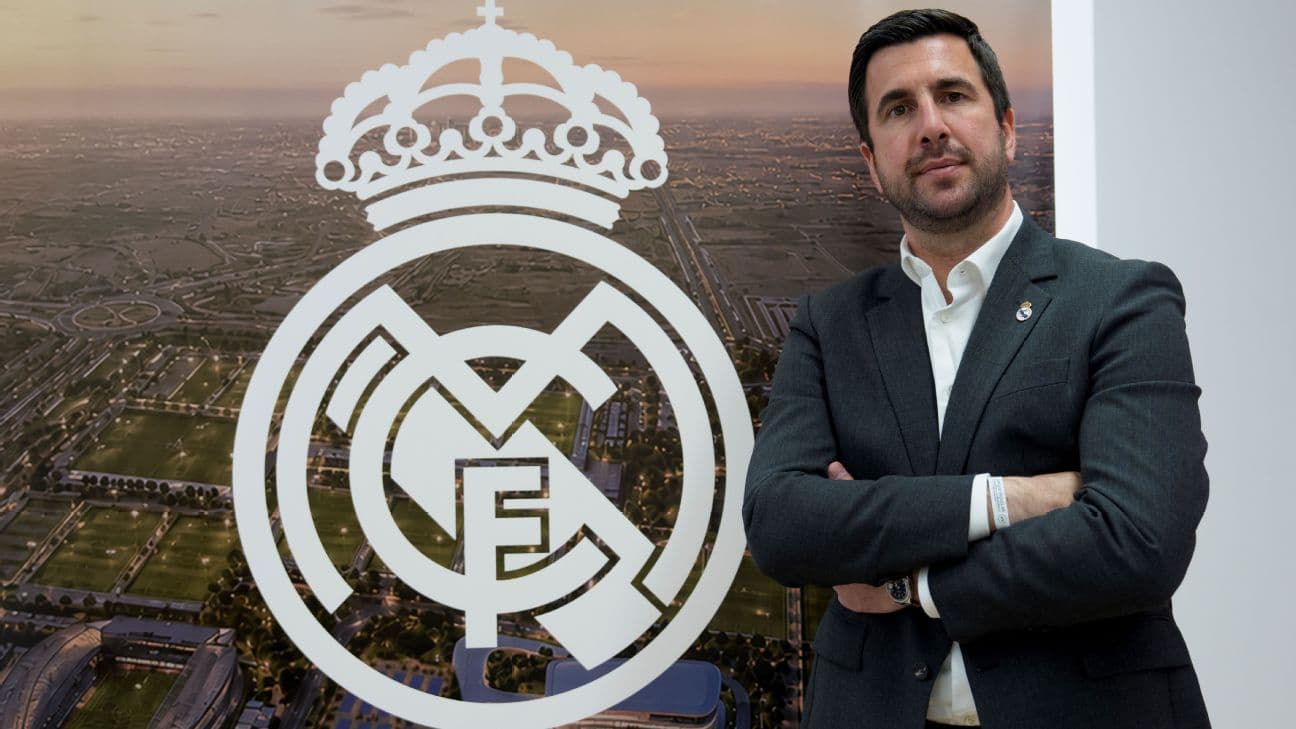
Pérez first became president in July 2000 after beating Lorenzo Sanz, and club materials credit his leadership with restoring the finances and turning Real Madrid into the world’s most valuable sports club. The club’s 2025 anniversary material said his presidency had delivered 66 titles in football and basketball at that point. After this vote, Pérez called the result "extraordinary" and said the club had "set an example to the world of transparency and harmony.
This article was produced by Prism’s automated news system from verified source data, official records, and press releases, then run through automated quality and moderation checks before publishing. The system is built and supervised by the people who set the standards it runs under. Read our full AI policy.
Did this article answer your question?
.jpg&w=1920&q=75)