Priced out of World Cup, Mexican fans gather in the streets
Mexican fans priced out of stadium seats turned plazas, taco stands and street corners into World Cup fan zones, reclaiming the tournament from behind the turnstiles.
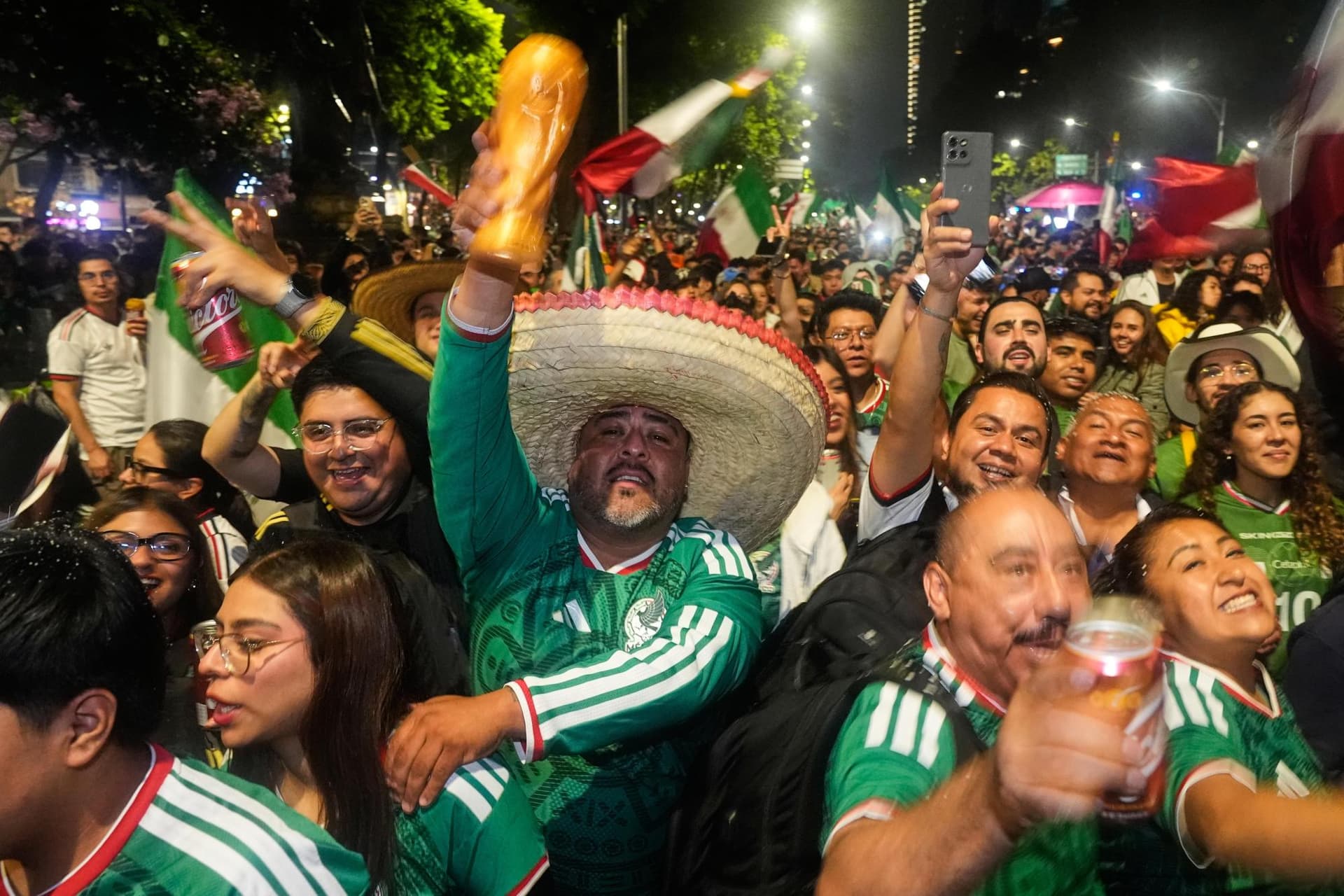
At a taco stand in Mexico City, a propped-up television drew the kind of roar usually reserved for a stadium. Around it, fans packed shoulder to shoulder, turning a street corner into an open-air viewing party as expensive seats and paywall access pushed many loyal supporters to the curb.
That split has defined Mexico’s World Cup mood. The 2026 tournament, the first 48-team men’s World Cup, runs from June 11 to July 19 across 16 host cities in the United States, Mexico and Canada. Mexico opened the event on June 11 in Mexico City and will play all three of its group-stage matches on home soil, but for many supporters the official spectacle has felt increasingly remote.
So fans built their own version. In plazas, under highway overpasses and in neighborhood gathering spots, Mexican crowds watched matches together on improvised screens, with food vendors, music and national flags filling the spaces around them. In Mexico City, that street-level fandom has become part of the tournament’s core atmosphere, especially in working-class neighborhoods where public celebrations have long spilled into the streets and around the Ángel de la Independencia.
The barriers have not been only about ticket prices. FIFA has launched a public-viewing platform to handle license requests for community screenings, a sign that organizers expected many fans to watch outside stadiums. Mexico City’s government also confirmed 18 official free public-viewing locations for World Cup broadcasts, formalizing the kind of collective viewing that has emerged in plazas and neighborhoods. The result is a sharper divide between the polished event inside the venues and the improvised, more democratic version outside them.

That divide has been especially visible in Tepito, the working-class Mexico City neighborhood known for sprawling street markets and pirated World Cup jerseys. Guillermo Ramírez, 49, who grew up there, has watched the tournament’s commercial grip push more fans into informal spaces even as the national team’s results have driven huge crowds into the streets. After Mexico’s victories, hundreds of thousands of people gathered in host cities including Mexico City, Guadalajara and Monterrey, underscoring how much of the country still treats soccer as a shared public ritual rather than a premium product.
Mexico’s World Cup history helps explain the emotional force of those scenes. The country is hosting men’s World Cup matches for the third time, the first nation ever to do so, and that legacy has made the tournament feel woven into public life. But this year’s celebrations also exposed a harsher reality: when mega-events become too expensive for many of the people who care most, the fans do not disappear. They move into the streets and make the event their own.
This article was produced by Prism’s automated news system from verified source data, official records, and press releases, then run through automated quality and moderation checks before publishing. The system is built and supervised by the people who set the standards it runs under. Read our full AI policy.
Did this article answer your question?
.jpg&w=1920&q=75)