Primary battles begin in six states as Blanche testifies on Justice budget
Six states opened primary fights as Todd Blanche told Congress the $1.8 billion anti-weaponization fund was off the table.

California carried the biggest national weight on June 2, when voters in six states, California, Iowa, Montana, New Jersey, New Mexico and South Dakota, began choosing nominees in contests that will help shape the 2026 midterms. The most closely watched races were California’s governor’s contest and the Los Angeles mayor’s race, but the broader significance was clear: these primaries were among the first tests of how both parties plan to position themselves before voters decide control of Congress, including roughly one-third of the U.S. Senate and all 435 House seats.
In California, the governor’s race stood out less for its frontrunners than for its size and uncertainty. About 60 candidates were on the ballot, and the absence of Kamala Harris and Alex Padilla left the field without the kind of marquee Democratic names that often define a statewide race. That open field matters because it will help determine which voices emerge as the party’s next-generation standard-bearers in its largest state, and which messages can still command attention in a crowded, expensive political environment.
Iowa and New Jersey also drew close scrutiny because their primaries can signal whether voters are rewarding pragmatists, insurgents or ideological loyalists heading into a midterm cycle that will define the final two years of President Donald Trump’s second term. With primary contests beginning in early March and stretching through the summer, the early-state and high-population results will shape recruiting, fundraising and message discipline well before the general election map hardens.
On Capitol Hill, acting Attorney General Todd Blanche delivered a separate test of Republican priorities when he testified before the House Appropriations Subcommittee on Commerce, Justice, Science and Related Agencies on the Justice Department budget. Blanche told lawmakers the department was not moving forward with the Trump administration’s roughly $1.8 billion anti-weaponization fund: “We are not moving forward with the fund. Period,” he said. When Rep. Grace Meng pressed him, Blanche answered, “Correct.”
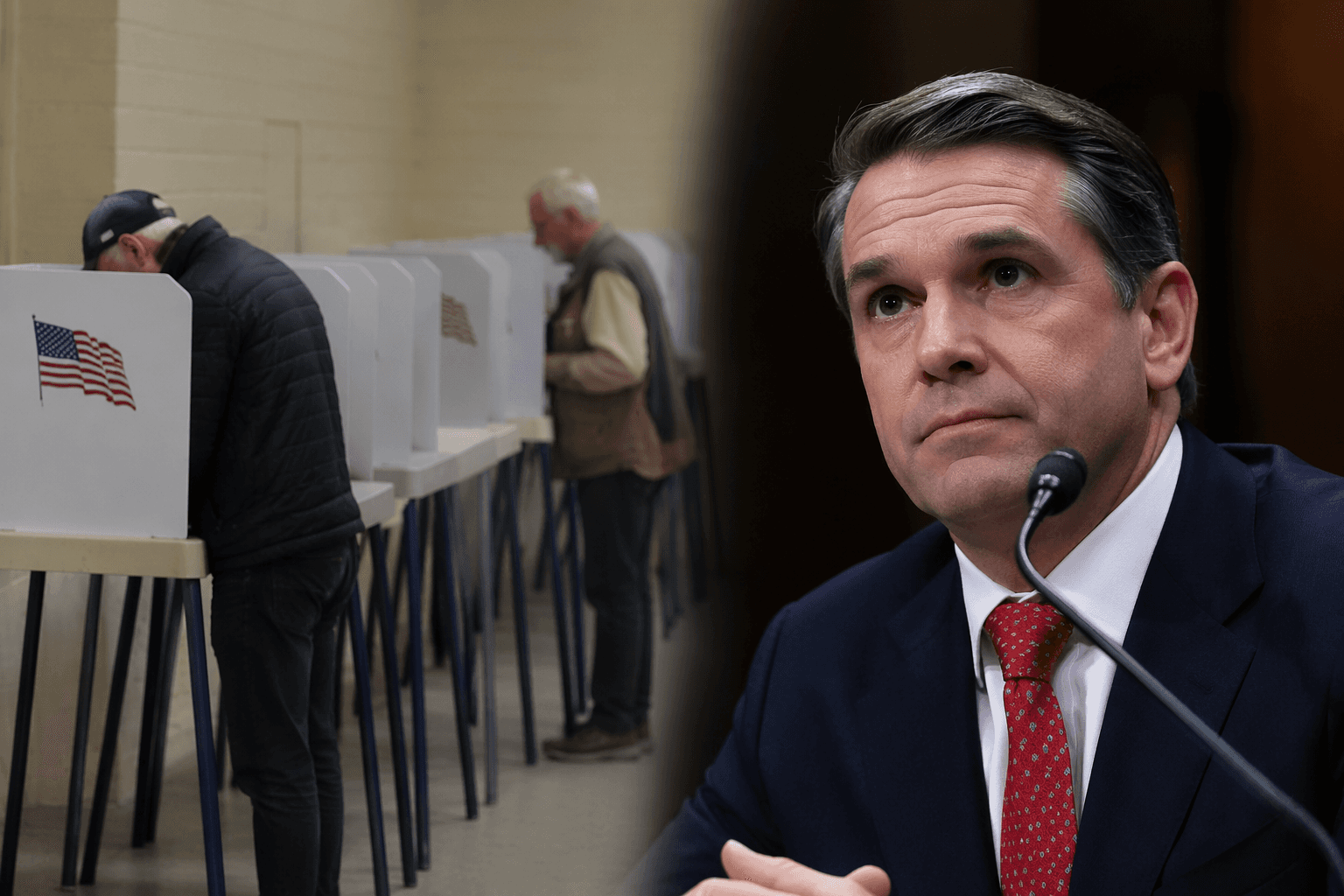
That concession matters because the fund had become a flash point on both sides of the aisle after it was tied to a proposed settlement connected to President Trump’s lawsuit against the Internal Revenue Service. Critics said the arrangement would have created a pot of money for allies who claimed they had been wrongly targeted by government investigations. The hearing, which had originally been scheduled for May 19 before being pushed to June 2, now gives lawmakers a fresh opening to press for more details on how the Justice Department handles politically sensitive spending decisions and how far the administration is willing to go after repeated backlash and court setbacks.
Together, the primaries and the hearing offered a snapshot of the next phase of the 2026 fight: candidates searching for an edge in the states that will define the map, and congressional Democrats looking for leverage over a Justice Department already forced to retreat on one of its most controversial budget ideas.
This article was produced by Prism’s automated news system from verified source data, official records, and press releases, then run through automated quality and moderation checks before publishing. The system is built and supervised by the people who set the standards it runs under. Read our full AI policy.
Did this article answer your question?

