Primary Employers Driving Jobs, Housing and Transport Planning in Texas County, Oklahoma
Major employers in Texas County — from Guymon’s meatpacking plants to Panhandle State University in Goodwell — shape local housing demand, daily commutes and county transport routing.
1. Meatpacking and processing plants in Guymon
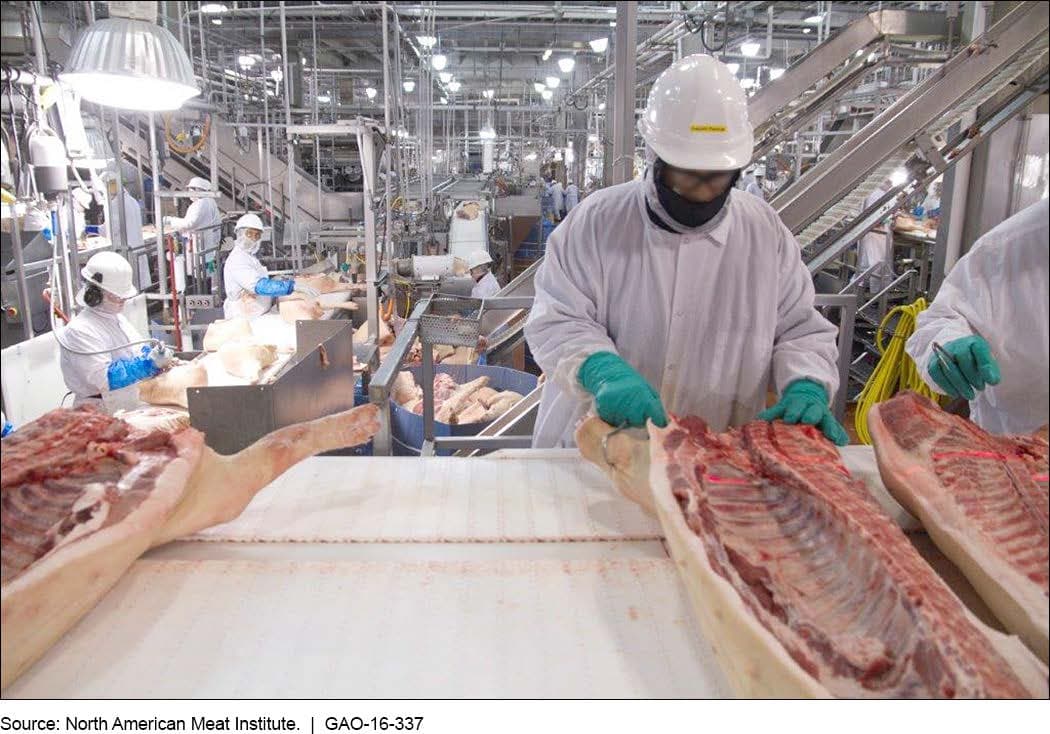
Meatpacking and poultry processing facilities in and around Guymon are the county’s largest private-sector anchors, employing shift-based workforces that include many recent arrivals and commuters from neighboring counties. Those plants drive demand for rental housing, multi-bedroom units and employer-sponsored temporary housing; they also produce concentrated inbound and outbound truck traffic during shift changes, which affects road maintenance priorities on the county’s primary arteries. Planning for emergency services, multilingual outreach, and after‑hours transit options must account for the large, round‑the‑clock employee populations these facilities require.
2. Large-scale livestock operations and feedlots
Beef cattle feedlots, hog finishing operations and associated grain farming form the agricultural backbone of Texas County’s economy and supply chain. These operations employ seasonal and full‑time workers, generate heavy truck movements for feed and livestock transport, and create zoning pressure at the rural‑urban fringe as worker housing needs grow near Guymon and other service centers. County planners must balance manure management, water use and road wear from heavy agricultural trucks when considering permit approvals and long‑term maintenance budgets.
3. Oklahoma Panhandle State University (Goodwell)
Oklahoma Panhandle State University in Goodwell serves as a regional educational and employment hub, providing faculty and staff jobs as well as student‑driven demand for housing, retail and local services. The university’s calendar and events schedule creates predictable seasonal spikes in rental occupancy and short‑term visitor traffic that affect lodging availability and local transit needs. For Texas County officials, the university is also a partner for workforce training tied to agriculture, business and health services that directly feed local employer pipelines.
4. Guymon Public Schools and related education employers
Guymon Public Schools is one of the county’s largest public employers, with staffing needs across instruction, transportation and facilities that influence both weekday peak traffic and long‑term housing stability for families. School district hiring patterns — including bilingual and specialized staff — interact with population trends and new resident recruitment, and school bus routing and safety infrastructure are critical considerations when industrial employers expand shifts or add new hires. Investment in teacher housing incentives and affordable family units can reduce turnover and improve planning outcomes.
5. County and municipal government services
Texas County government and the City of Guymon operate key services — courts, public works, emergency response, and permitting — that create stable, well‑paid local jobs and shape where residents choose to live. These employers are central to capital planning: road repair schedules, water system upgrades and emergency services staffing must reflect concentrations of workers and shift patterns at private employers. When large employers scale up or down, county payroll and service demand change quickly, so officials often use employer announcements as inputs to the county’s capital and staffing plans.
6. Healthcare providers and clinics in Guymon
Hospitals, clinics and long‑term care facilities in Guymon provide essential medical employment and anchor health services for the county’s workforce, contributing to local stability and attracting caregivers who need year‑round housing. Healthcare shift schedules also create a steady demand for 24/7 transportation and influence placement of childcare and eldercare services, which in turn affects where employees seek housing. Planners must coordinate clinic expansion with broadband and utility improvements to support telehealth and workforce recruitment.
7. Transportation, logistics and trucking firms
Regional trucking firms, freight brokers and local logistics providers support Ag and processing industries and function as critical employers in Texas County, operating terminals and maintenance yards that generate daytime job clusters. The logistics footprint amplifies wear on county highways and increases the need for freight‑friendly zoning, oversized‑vehicle lanes, and designated truck parking to avoid spillover into residential streets. Strategic routing agreements and investment in bridge and pavement capacity are essential to keep supply chains moving without degrading neighborhood quality of life.

8. Retail, food service and essential local businesses
Retail anchors, grocery stores, fast food and service businesses clustered in Guymon and surrounding towns are major employers of local residents and new workers, providing entry‑level roles and second‑income opportunities tied to the county’s larger industrial footprint. When large employers expand, demand for grocery, restaurant and personal services rises quickly; conversely, layoffs at a single plant can rapidly reduce local sales tax receipts and strain small business cash flow. Economic development strategies that diversify retail offerings and support small‑business resilience help stabilize neighborhoods adjacent to industrial zones.
9. Energy and utility projects (wind, oil and gas service)
Energy companies and service contractors operating on the Oklahoma Panhandle — including wind project developers and oil-and-gas service firms — bring project‑based employment and episodic housing demand that strain short‑term rental markets during construction phases. These temporary workforces increase heavy equipment traffic on rural roads and raise one‑off demands on county permitting and inspection capacity. Aligning project timelines with housing strategies — such as permitting of temporary worker camps or incentivizing local contractor hiring — reduces disruption and supports longer‑term economic benefit.
10. Food‑adjacent manufacturers and support services
Ancillary manufacturers — packaging, cold storage, and equipment maintenance shops — cluster near primary processors and serve as stable mid‑sized employers that diversify the county’s job base beyond primary production. These businesses anchor light industrial parks, create daytime employment density, and encourage improvements to utilities (power, refrigeration capacity) and broadband that benefit other sectors. Encouraging rail or highway access to these sites lowers logistics costs for primary employers and informs where multifamily housing or workforce apartments should be prioritized.
11. Nonprofit and social services organizations
Local nonprofits and social service agencies provide direct employment while also delivering workforce training, childcare and housing navigation that are essential to retaining labor for the county’s large employers. When processing plants and agricultural operations recruit nonlocal workers, these organizations become critical for onboarding, language services and benefit enrollment — all of which affect employee retention and public service costs. Supporting these agencies with stable funding and space can reduce turnover at big employers and ease pressure on emergency housing resources.
12. Implications for housing, transport and county planning
Across these employer categories, common planning consequences include heightened demand for rental and multi‑family housing near Guymon, concentrated commuter traffic at shift change times, and accelerated road maintenance needs on freight corridors. County planners should prioritize mixed‑use zoning near employment centers, targeted investments in bus or shuttle services timed to shift schedules, and coordinated employer‑driven housing programs to reduce sprawl and keep school enrollment stable. A data‑driven employer map — showing payroll concentrations, shift start times, and truck routes — will be the most practical tool for connecting workforce needs with capital spending decisions.
Closing note: Mapping where employees live versus work — whether with anonymized employer commute data or school‑district enrollment shifts — gives Texas County officials the actionable picture they need to align housing production, road upgrades and transit investments with the real economy driving the county.
Sources:
Know something we missed? Have a correction or additional information?
Submit a Tip