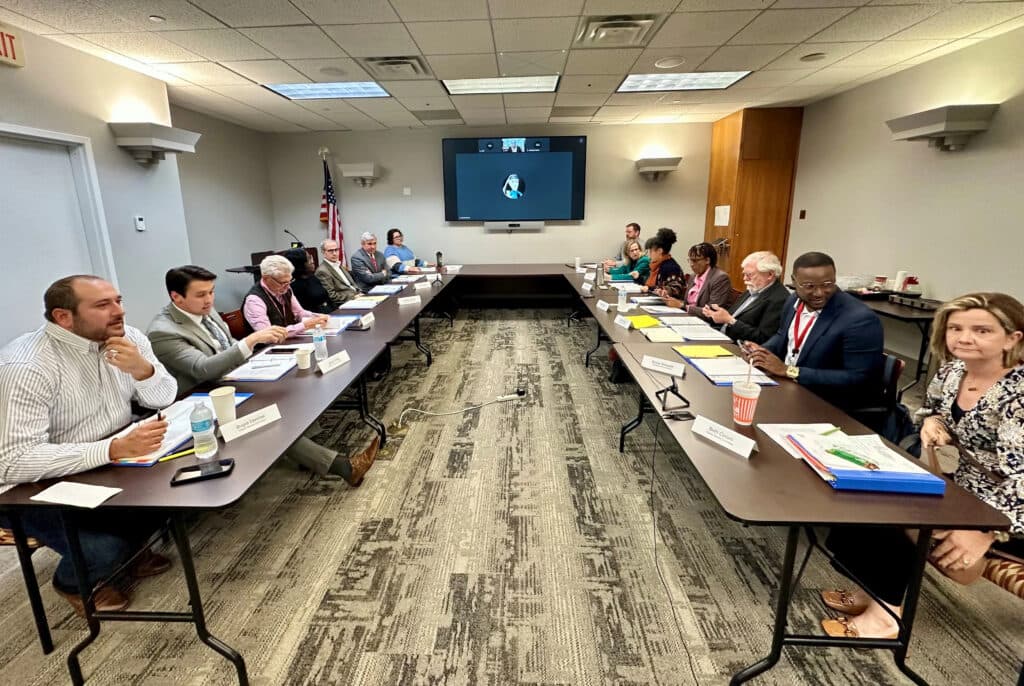
Prince George’s Seeks Buyer to Redevelop Glenn Dale Hospital into Senior Housing
Prince George’s County is seeking a new owner to convert the long-abandoned Glenn Dale Hospital campus into senior housing, a move with preservation and housing implications for local residents.
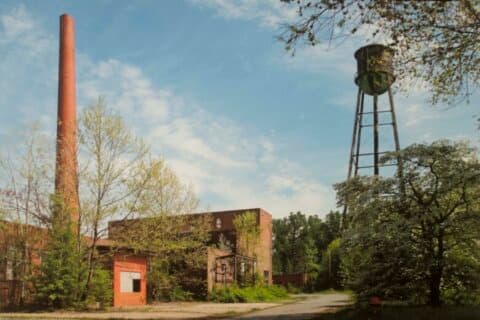
Prince George’s County officials have opened a search for a new owner to redevelop the Glenn Dale Hospital site into a senior-focused housing community, a shift that could put 23 existing buildings on a 60-acre sanitarium campus back into productive use. The campus sits within about 210 acres owned by the Maryland-National Capital Park and Planning Commission and lies roughly 15 miles from Washington, D.C.
Sonja Ewing, division chief for park planning and environmental stewardship for the Prince George’s County Department of Parks and Recreation, said the department, which cares for the grounds, has been tasked with finding a future owner and first announced the search at a Glenn Dale Citizens Association meeting in late January. “In order for it to move forward, we will need a stronger team and new partners to come to the table,” Ewing said, signaling the county’s intent to pursue new development partners and possibly government funding or public-private partnerships.
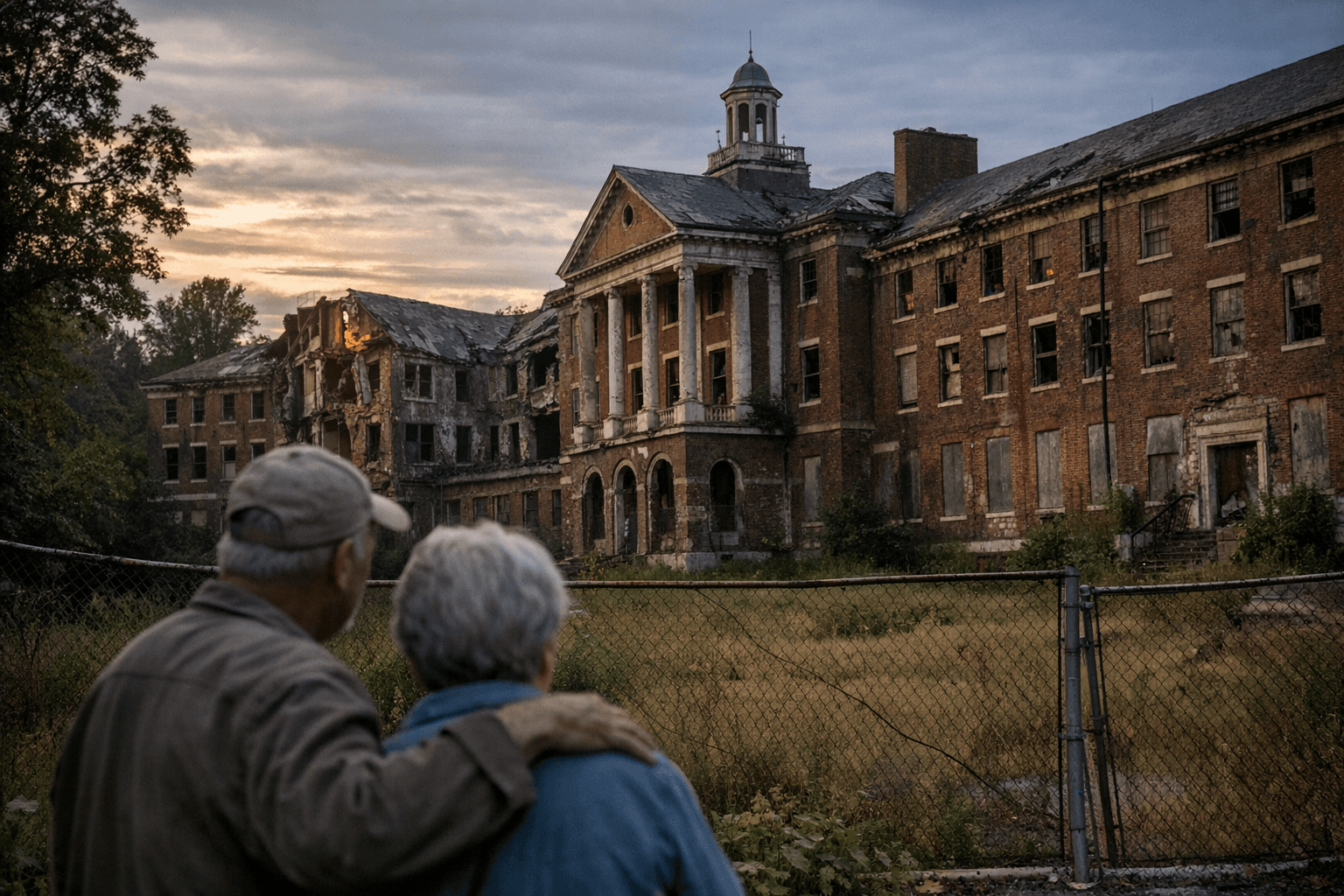
The site’s history and legal status complicate redevelopment. Glenn Dale opened as a tuberculosis hospital in the 1930s, closed in 1982, and has been on the National Register of Historic Places since 2011. That listing implies substantial historic-preservation obligations and a preference for adaptive reuse of the existing buildings. Any new owner must secure a Use & Occupancy permit from the county Department of Permitting, Inspections, and Enforcement and pass inspections to meet safety codes before occupying formerly vacant structures.
Planning guidance from county and MNCPPC advisers highlights familiar redevelopment barriers: deteriorating structures, potential environmental contamination, title and code issues, high costs for code upgrades, and zoning mismatches. Recommendations include establishing clear adaptive-reuse pathways, simplifying the U&O process for conversions, updating zoning to enable mixed-use and residential conversions, and leveraging municipal incentives such as Seat Pleasant’s SPICE program.
The Glenn Dale effort unfolds against a broader county challenge: addressing vacant and abandoned properties. A Center for Community Progress assessment shows a data-scrubbed DPIE list of 1,024 properties plus 51 additional notices in the county Open Data Portal, yielding roughly 1,075 parcels DPIE has determined are vacant and abandoned. DPIE staff at a council hearing have also said they are aware of about 4,500 properties that would appear on a registry if one existed; the county’s enforcement office was described as having “all of four people to handle it all.” Council Member Krystal Oriadha, who has pushed legislation to create a vacancy registry, warned that tackling vacant property is essential to better development and preventing banks or companies from sitting on land until a better opportunity arises. “When we talk about development in our communities, making sure that we tackle this vacant property issue is part of ensuring that we have better development in the county, and that we don’t have banks or companies sitting on real estate just waiting for the better opportunity for them,” Oriadha said.
Policy options on the table include selling surplus land through the Office of Central Services, creating a land bank or hybrid program run by the Redevelopment Authority to “gain control of VAT properties,” and expanding incentive and permitting programs to lower barriers for adaptive reuse. The Alexander Company of Wisconsin had been linked to earlier redevelopment efforts, but its contract with the planning commission has ended.
For Glenn Dale neighbors and county policymakers, the immediate questions are practical: who will lead redevelopment, what public approvals and environmental reviews will be required, and how will preservation obligations shape the eventual design and cost. The county’s next steps in selecting partners and outlining a timeline will determine whether Glenn Dale becomes a model for reusing large historic parcels to meet senior housing and affordable housing goals or remains another long-term vacancy on the county map.
Know something we missed? Have a correction or additional information?
Submit a Tip