Private Helicopter Strikes Slackline and Crashes in Arizona Canyon
A private MD 369FF helicopter collided with a recreational slackline above Telegraph Canyon and plunged into rugged terrain south of Superior, Arizona, on Jan. 3, killing all four aboard. The preliminary account raises urgent safety and regulatory questions about long-span recreational obstacles in mountainous public lands and will prompt a formal NTSB investigation and federal review of airspace and land-use coordination.
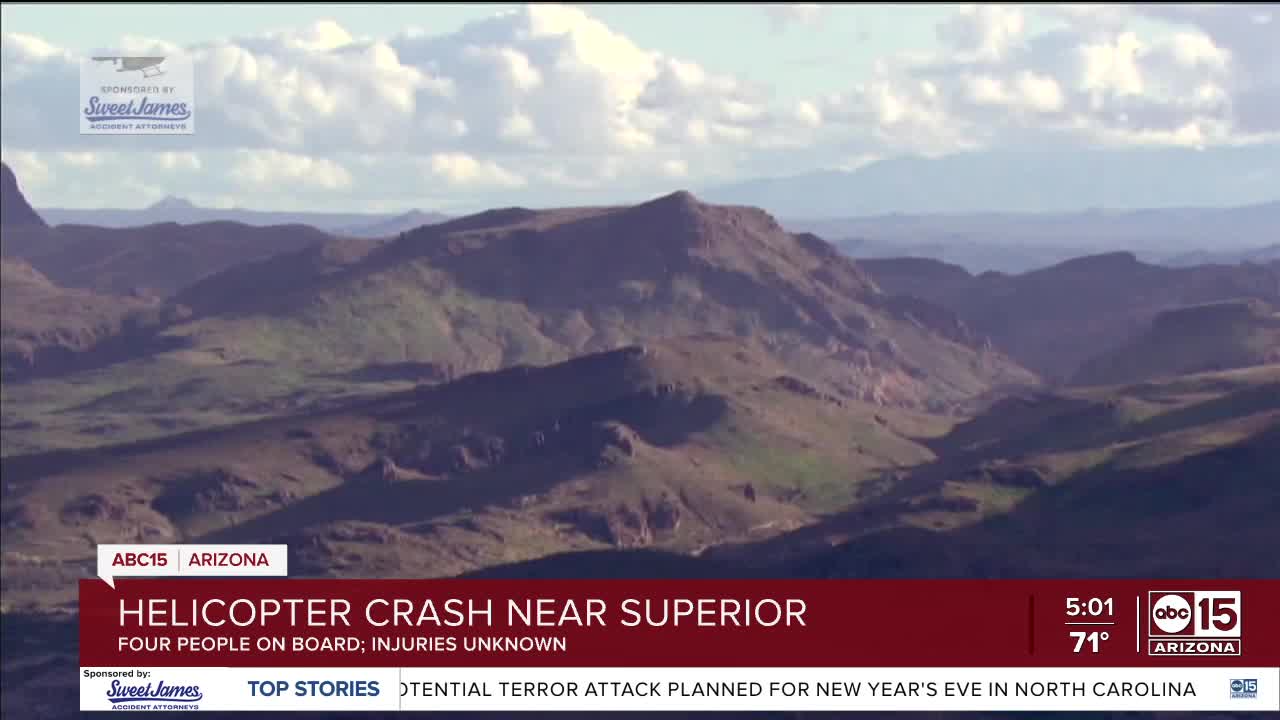
A private MD 369FF helicopter departed Pegasus Airpark in Queen Creek and crashed into remote, mountainous terrain near Telegraph Canyon, about 64 miles east of Phoenix, at roughly 11 a.m. on Jan. 3. The Pinal County Sheriff’s Office confirmed four fatalities: the 59-year-old pilot from Queen Creek and three female family members, two aged 21 and one aged 22. No names have been released.
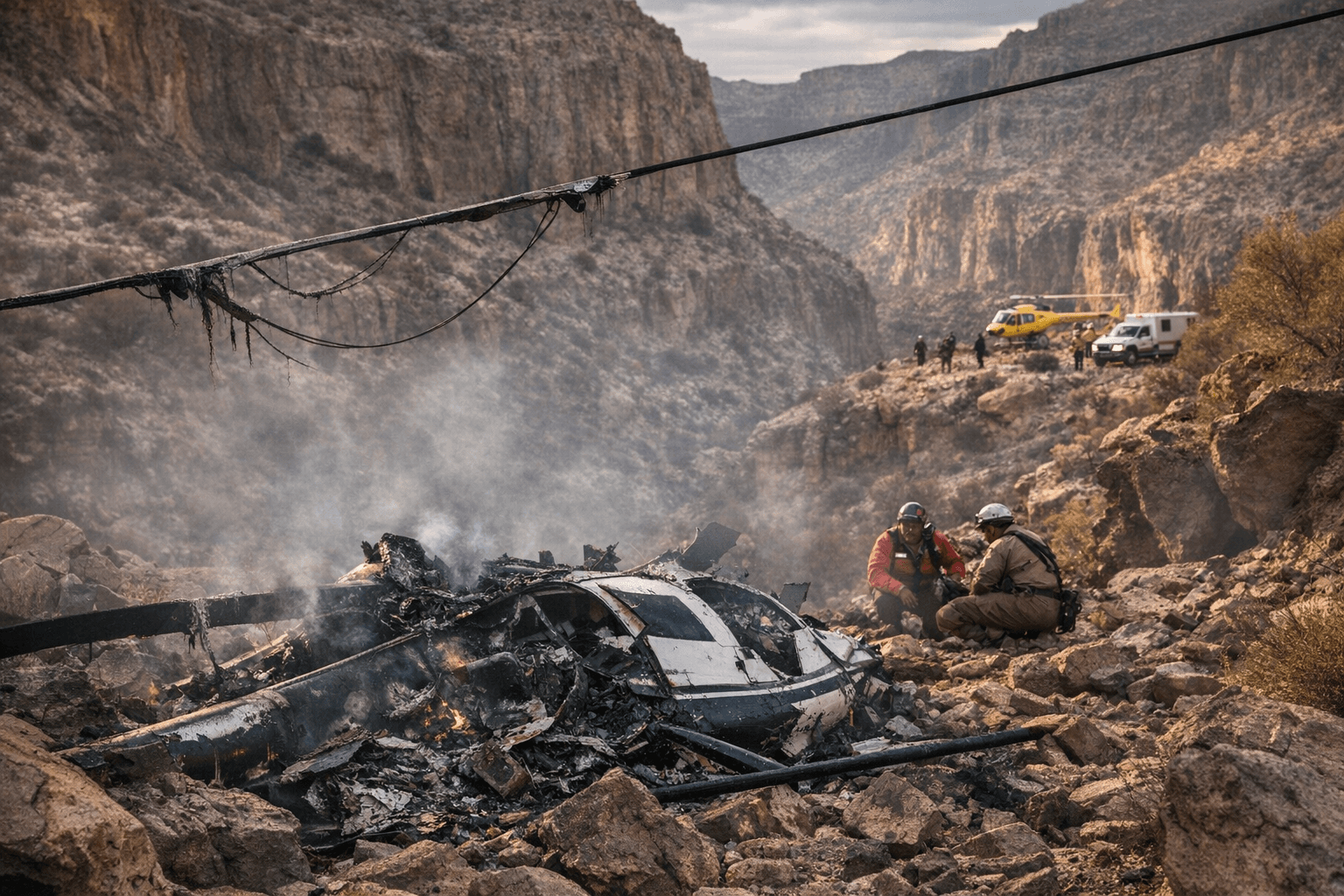
Preliminary evidence and an eyewitness 911 call reported that the helicopter struck a recreational slackline stretched across the mountain range before descending into the canyon. Authorities described the line as unusually long, more than one kilometer, or greater than half a mile, and said observers reported seeing the aircraft strike a portion of it. Officials stressed that the slackline-strike information is preliminary and that the National Transportation Safety Board will lead a formal investigation with the Federal Aviation Administration participating.
Emergency crews faced difficult access because the wreckage lay in steep, remote terrain. Local authorities said that rugged conditions complicated response and recovery operations, and the FAA issued a temporary flight restriction over the area following the crash. Investigators have not released definitive findings about causal factors; information on weather, pilot qualifications, maintenance history and any cockpit recordings has not yet been disclosed.
Beyond the immediate human toll, the incident exposes potential regulatory and liability gaps. Slacklining and other long-span recreational installations have proliferated on public and private lands, often mounted between ridgelines for technical use and spectacle. Federal aviation rules prohibit hazardous obstructions in navigable airspace, but enforcement traditionally focuses on fixed structures such as towers and wind turbines. Recreational obstacles of this kind occupy a gray area: they are temporary, low-profile and often unmarked, yet can present a lethal hazard to low-altitude rotorcraft that operate frequently for private transport, aerial work and emergency services.
The economic implications will reach several stakeholders. Families and operators face potential civil litigation and insurance claims; insurers reprice exposures based on perceived risk, and aviation operators could see tighter underwriting terms if investigations point to avoidable external hazards. Local land managers and sheriffs may face pressure to impose permitting, notification and marking requirements for long-span installations; implementing and enforcing such rules would carry administrative costs but could reduce future risks to aviation and rescue personnel. The NTSB typically requires months to more than a year to issue a final probable-cause determination, and its findings often prompt changes in guidance or regulation.
Officials urged patience as investigators collect wreckage, medical and maintenance records and any available witness video. For now, the foundational facts are stark: a private helicopter struck a long slackline above Telegraph Canyon, crashed, and four family members died. How regulators, insurers and recreational communities respond will determine whether a tragic accident produces practical steps to reduce the risk of similar catastrophes in remote mountain airspace.
This article was produced by Prism’s automated news system from verified source data, official records, and press releases, then run through automated quality and moderation checks before publishing. The system is built and supervised by the people who set the standards it runs under. Read our full AI policy.
Did this article answer your question?

