Probiotic may boost depression treatment in older adults, study finds
A 58-person trial found older adults on antidepressants improved slightly more with daily probiotics, and their BDNF levels rose.
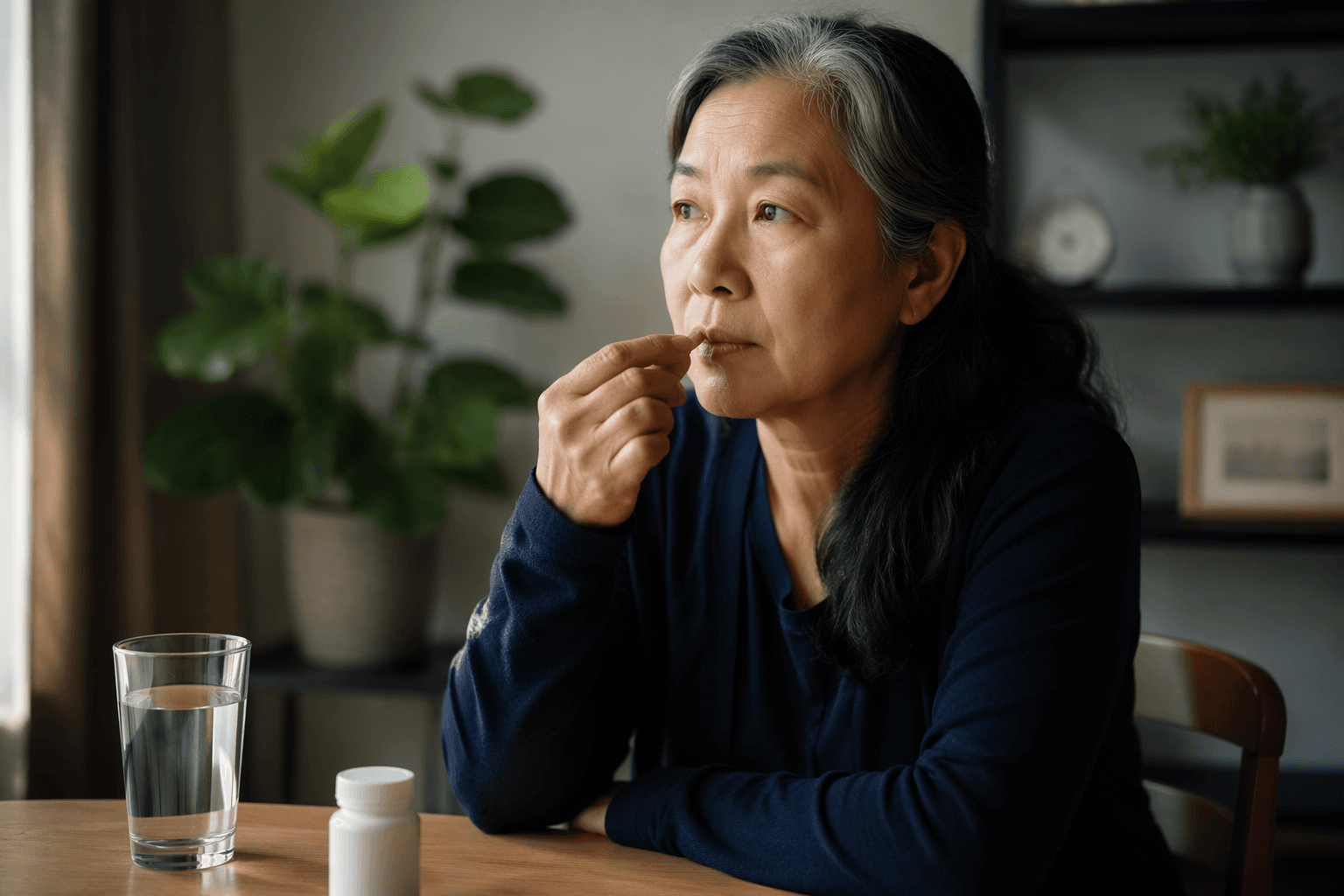
A daily probiotic gave older adults with moderate depression a modest extra lift when added to standard antidepressant care, according to a small Indian trial that is drawing attention for what it suggests about the gut-brain connection. The study followed 58 adults aged 60 and older and found that symptoms improved in both groups, but the probiotic arm showed somewhat greater gains in depression and anxiety, along with higher serum BDNF levels.
The randomized, double-blind, placebo-controlled pilot trial, known as PRODG, was published online June 17 in the Journal of the American Geriatrics Society. Participants in India were assigned 1:1 to receive either a daily probiotic or a placebo for 12 weeks, then were tracked for another 12 weeks after treatment ended. Everyone continued standard antidepressant care throughout the study, so the question was not whether probiotics could replace established treatment, but whether they could add to it.
Researchers tested two strains, Lactobacillus helveticus and Bifidobacterium longum, and set the main outcome as depression response, defined as at least a 50 percent reduction in Montgomery-Åsberg Depression Rating Scale scores. Secondary measures included anxiety, cognition, quality of life, serum BDNF and gut microbiota profiling. The study team included Saibal Das of the Indian Council of Medical Research - National Institute for Research in Bacterial Infections in Kolkata and Abhinaba Ghosh of Tata Medical Center in Kolkata, reflecting a multi-center effort inside India’s geriatric psychiatry network.
The results were encouraging but restrained. Investigators reported significant improvement over time in depressive symptoms and anxiety in both groups, with the probiotic group showing modest added benefit. The probiotic arm also showed increased BDNF, a finding that supports the idea of a biologically plausible gut-brain axis rather than a simple placebo effect. But the trial did not find clear extra gains in quality of life compared with placebo, and the authors said they are planning a larger follow-up study.
That caution matters. Depression in older adults is common, but it is not a normal part of aging, and it is often bound up with sleep problems, chronic illness, medication burden and social isolation. The National Institute on Aging and the Centers for Disease Control and Prevention both stress that the condition is treatable and deserves medical attention. This trial does not make probiotics standard care, but it does strengthen the case for studying whether a low-cost supplement can help some older patients get more from established treatment.
This article was produced by Prism’s automated news system from verified source data, official records, and press releases, then run through automated quality and moderation checks before publishing. The system is built and supervised by the people who set the standards it runs under. Read our full AI policy.
Did this article answer your question?


