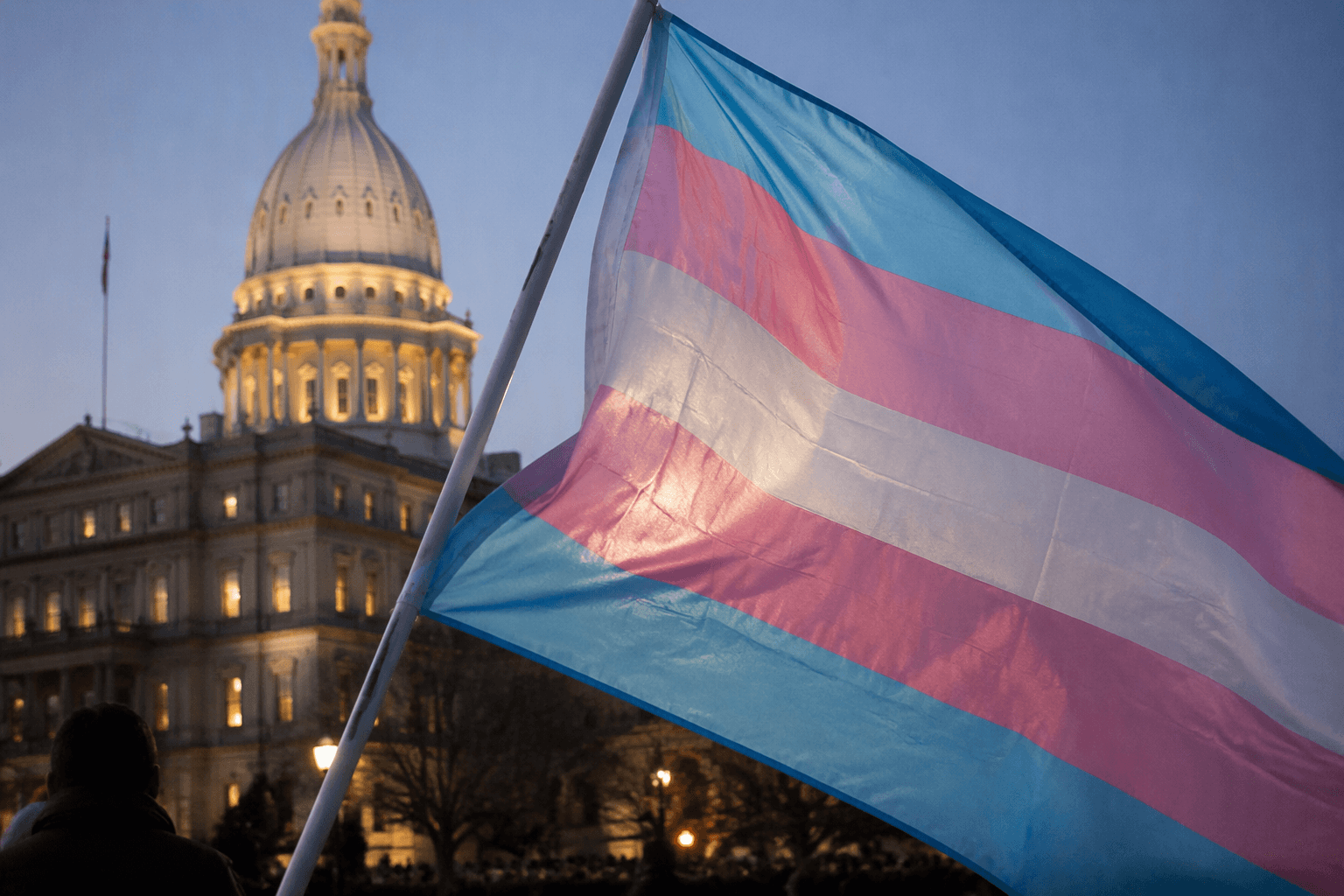
Progressive Abdul El-Sayed wins Michigan Senate primary, boosting left wing
Abdul El-Sayed’s win over Haley Stevens gave Michigan progressives a rare Rust Belt breakthrough and set up a November test against Mike Rogers.
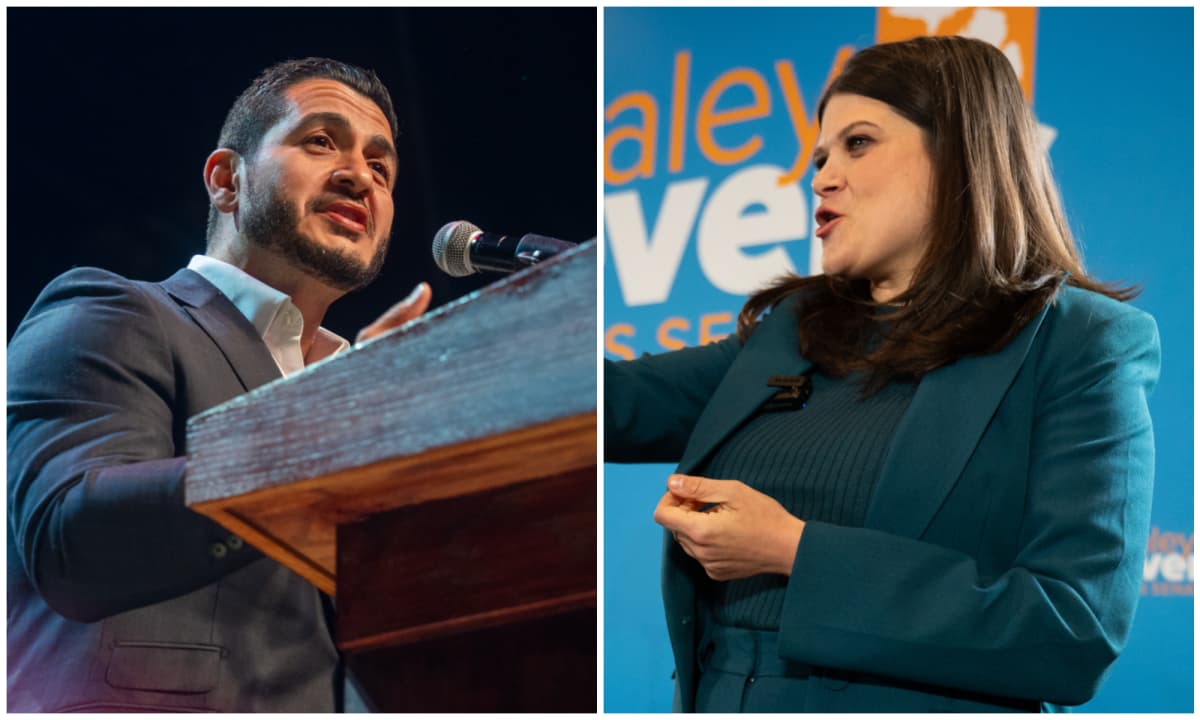
Abdul El-Sayed defeated Rep. Haley Stevens in Michigan’s Democratic Senate primary, giving the party’s progressive wing a major win in a state that could help decide control of the U.S. Senate. The 41-year-old former Wayne County public health official and epidemiologist ran on Medicare for All, campaign finance reform and ending military aid to Israel, while Stevens campaigned as the more centrist choice backed by party-establishment Democrats.
The race became one of the clearest tests yet of where Michigan Democrats wanted to go next. Reuters framed the contest as a measure of voters’ views on Israel as much as on the broader ideological split inside the Democratic Party, and other coverage described it as a referendum on whether the party should lean into progressive politics or prioritize general-election appeal in a battleground state.
Michigan’s primary was also a financial slugfest. The Detroit News called it the most-expensive Democratic U.S. Senate primary contest in U.S. history, underscoring how much national attention and money had poured into a race that quickly became a proxy fight over the party’s future. El-Sayed’s backing from prominent progressives added to the sense that the left had not only won a Senate race, but had done so in the Rust Belt rather than in a coastal stronghold.
The win did not stop at the Senate line. Reporting from the same primary night pointed to progressive gains in Michigan House races, including a challenge to Rep. Shri Thanedar in the 13th Congressional District, suggesting that El-Sayed’s victory was part of a broader appetite among Democratic voters for insurgent candidates. That movement now faces a sharper test in November, when El-Sayed will take on Republican Mike Rogers, a former congressman, in a state that has become one of the nation’s most competitive electoral battlegrounds.
For Democrats, the result sharpened a question that has run through the 2026 cycle: whether a message built around economic populism, opposition to corporate money and a break with traditional foreign-policy alignments can excite enough voters to survive a statewide general election. In Michigan, progressives gained momentum. In November, they will have to prove they can turn it into a coalition.
This article was produced by Prism’s automated news system from verified source data, official records, and press releases, then run through automated quality and moderation checks before publishing. The system is built and supervised by the people who set the standards it runs under. Read our full AI policy.
Did this article answer your question?