Progressive Aerial Training Plan Enhances Slamball Safety and Performance
A practical, coach-led drill progression for Slamball emphasizes aerial awareness, vertical power, and safe landings using trampolines, foam pits, and spotters. The plan outlines specific drills, sets, protective measures, and weekly microcycles designed to reduce mid-air collisions and improve dunk quality in practices and game preparation.

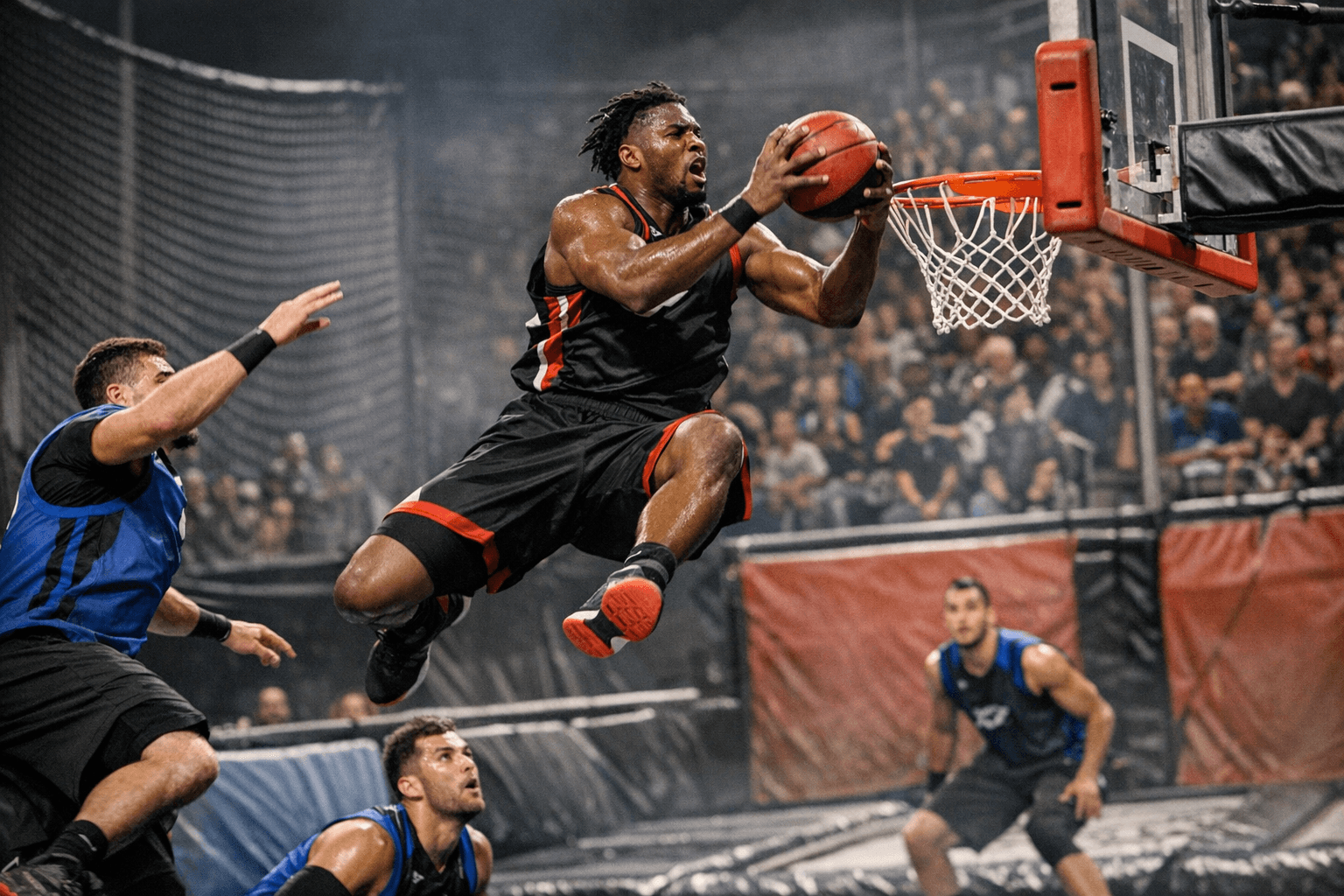
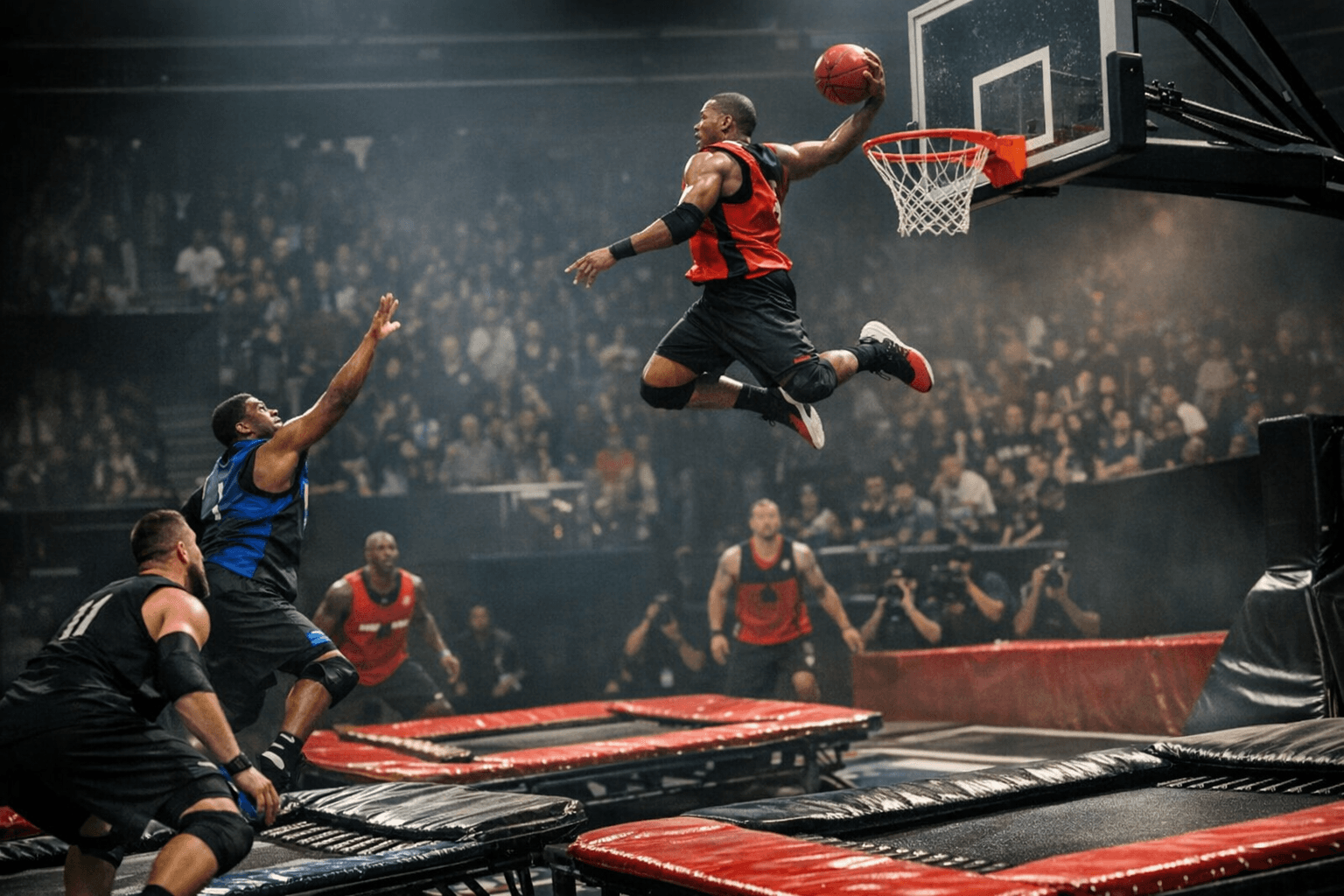
Slamball’s signature plays depend on controlled vertical drive, body control in the air, and safe landings. This progressive aerial training plan gives coaches and players a clear, gym-ready sequence to build those skills while minimizing risk, emphasizing warm-up, protective equipment, and staged contact progressions.
Begin with safety-first setup. Always warm up dynamic hips, knees, and ankles and perform shoulder activation before jumping work. Use progressions from no-contact to soft-contact to controlled-live reps, and keep plenty of foam-pit or airbag landings available for higher-difficulty moves. Athletes should wear knee sleeves or braces as needed and be cleared by a coach before advancing. Consult the official SlamBall technical reference at slamballleague.com when adapting drills to competition settings.
Foundational drills form the first block to build proprioception and trampoline familiarity. Two-foot rebound control involves three sets of 10 reps focusing on even takeoff and a tap-down landing, holding a two-second squat at landing. Lateral bounce plus catch is three sets of eight, moving across a springbed and catching a pass mid-bounce to simulate receiving aerial passes. Single-knee tucks on a low-height foam pit, four sets of six per side, build rotational control and mid-air balance.
Intermediate work emphasizes vertical power with control. Approach bounces into controlled layups on a low springbed are four sets of six, stressing planting, driving off the trampoline, and full-body tension at apex. Box-to-tramp jumps are four sets of five, stepping off a low box onto a springbed and jumping to a marked target to simulate reactive takeoffs. Spot-and-fall drills into a foam pit, three sets of five, train small twisting dunk motions and safe impact recovery.

Advanced dunk practice requires crash mats and spotters. Run assisted approach dunks into the foam pit for three sets of five and controlled dunks on a reduced rim height for four sets of four before attempting full rims. Limit full-speed trampoline dunks with a padded surround to six to eight attempts per session max and alternate high-intensity days with technical and conditioning days.
Contact-readiness drills add realism with controlled risk. Mid-air catch and protect reps simulate light contact using gloves or foam bats. Defenders practice controlled block timing from the side without contacting the jumper’s head or neck. Face-offs and small-sided live reps (2v2 on springbeds) require strict coach oversight and immediate stoppage for unsafe positions.
Coaching cues to reinforce technique include "Chest tall at takeoff", "Grip the core", and "Eyes on rim, spot your landing". Emphasize soft, bent-knee landings even when returning to springbeds. A weekly microcycle can dedicate one day to skill and technique and one day to power, conditioning, and controlled game simulation. Follow these steps to reduce uncontrolled mid-air collisions and raise the quality and safety of slams that make Slamball compelling.
Know something we missed? Have a correction or additional information?
Submit a Tip