Protesters target Berkeley Trader Joe's over Perdue poultry sourcing
Animal-rights group DxE held a protest Jan. 17 outside the downtown Berkeley Trader Joe’s calling on the chain to stop selling chicken from Perdue’s Petaluma Poultry (plant code P-2882). The action continues pressure that could affect store operations and sourcing decisions.

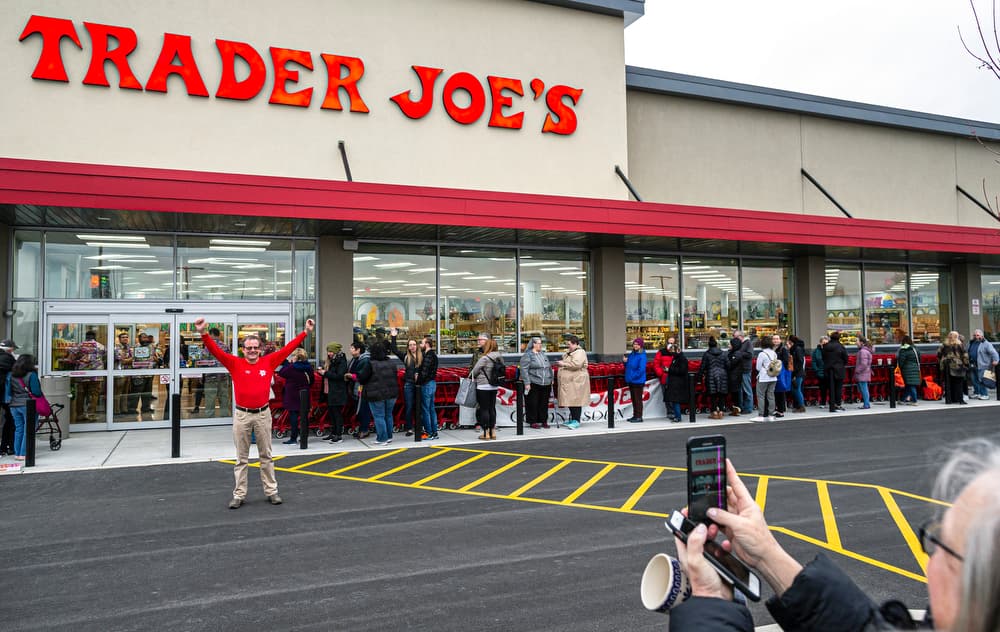
On Saturday, Jan. 17, Direct Action Everywhere (DxE), an animal-rights activist network, staged a public action outside the downtown Berkeley Trader Joe’s at 1885 University Ave, urging the grocery chain to drop chicken sourced from Perdue’s Petaluma Poultry, identified by plant code P-2882. The group’s meetup page invited supporters to join an outreach and protest, and described a long-running campaign that includes petitions, email drives, prior in-store actions and other protests at Trader Joe’s locations across the Bay Area.
The event listing gave meeting times, the storefront location, accessibility notes and contact information for organizers. The Berkeley action is part of a string of local DxE activities focused on Trader Joe’s product sourcing and aimed at pushing the company to cut ties with the Petaluma Poultry supplier.
For crew members and store managers, protests like Saturday’s can create immediate frontline impacts. Outside demonstrations tend to draw customer questions and can slow foot traffic during peak hours, requiring crew to balance service duties with crowd management and store safety. Managers may need to coordinate with local security or police, adjust staffing, and field customer concerns about product availability and corporate policy. These on-the-ground disruptions are separate from the longer-term reputational pressure such campaigns can bring.
From a corporate and supply-chain perspective, organized campaigns that single out a specific supplier and plant code are designed to focus public scrutiny on sourcing practices. If pressure builds, it can prompt retailers to re-evaluate contracts, supplier audits, or welfare and traceability standards. Such changes can ripple back to store inventory and supplier relationships, with potential operational consequences for purchasing and logistics teams.
Trader Joe’s has historically maintained control over its supplier relationships and product sourcing decisions, while activists have escalated tactics in recent years to influence those choices. The DxE actions in the Bay Area signal continued activism aimed squarely at the chain’s chicken supply, and the group’s pattern of petitions, emails and in-store demonstrations suggests more outreach could follow.
For crew, store leaders and customers, the takeaway is practical: expect occasional public-facing actions to continue, and anticipate short-term disruptions in-store even as any larger sourcing shifts would play out at the corporate and supply-chain level. Observers should watch whether sustained local pressure leads to formal supplier reviews or policy changes from Trader Joe’s in the coming weeks.
Sources:
Know something we missed? Have a correction or additional information?
Submit a Tip