Protests over ICE presence cast shadow over Team USA in Milan Olympics
U.S. athletes face a chilly reception in Milan as protests over ICE presence reshape security, hospitality and the political spotlight on the Games.
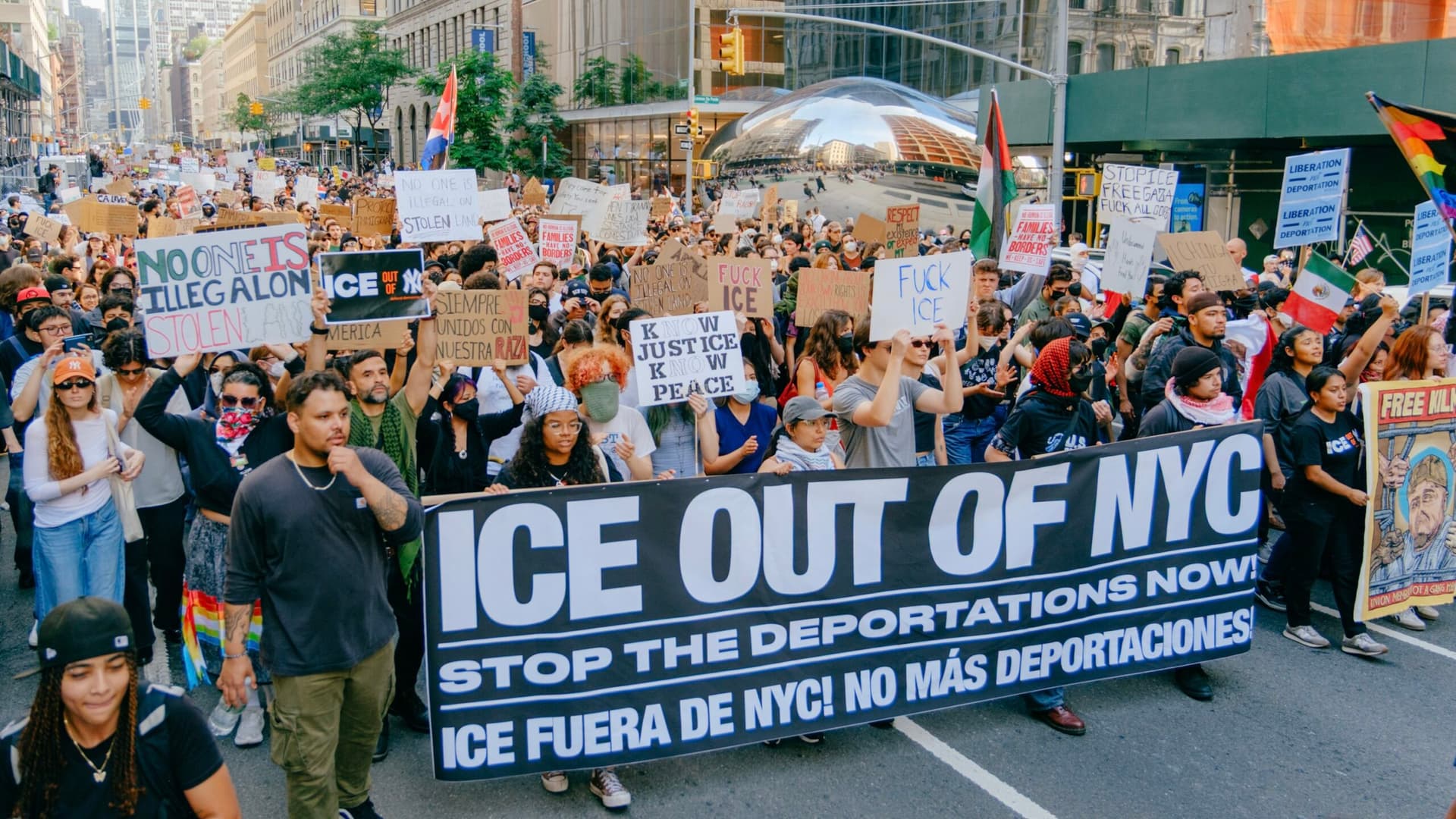
U.S. athletes and officials arriving for the Milano–Cortina Winter Olympics are preparing for tense encounters in parts of Italy after protests erupted over the planned deployment of U.S. Immigration and Customs Enforcement personnel to assist American security operations. Hundreds of demonstrators packed a central square in Milan, carrying signs that read “ICE agents in Milan? No thanks!” and demanding the agents leave.
The rally, held on Jan. 31 and organized by leftist and center-left parties, drew a broad cross section of participants, from parents with children on their shoulders to elderly couples. Police monitored the crowd from a distance, deploying units with riot shields and gas masks, and there were no clashes. Alessandro Capella, head of the Italian Democratic Party’s Milan chapter, framed the protest as broader than the Olympics: "It's not just for the Olympic games, it's about justice in the world. We don't want here ICE." An attendee, Francesco Tattoni, invoked painful historical comparisons, saying, "I don't like what's happening with ICE. I don't want that to come here to Italy" and "We believe they are doing the same thing the fascists were doing in the 1930s and 1940s."
Local political opposition has been sharp. Milan Mayor Giuseppe Sala called ICE "this is a militia that kills, a militia that enters into the homes of people, signing their own permission slips," and added, "It is clear they are not welcome in Milan, without a doubt." The IOC president also described the presence of Homeland Security agents as "distracting," intensifying pressure on organizers and the American delegation to tamp down controversy.
U.S. officials have sought to contain the fallout by describing the role of the personnel as narrowly focused. U.S. Ambassador to Italy Tilman J. Fertitta told The Athletic that "the ICE agents' role at the Olympics is strictly advisory and intelligence-based." Organizers and U.S. Olympic officials emphasize that Homeland Security Investigations, the ICE unit that frequently assists with overseas events, is distinct from enforcement teams charged with domestic immigration removals. There has been no indication that Enforcement and Removal Operations officers are being sent to Italy.
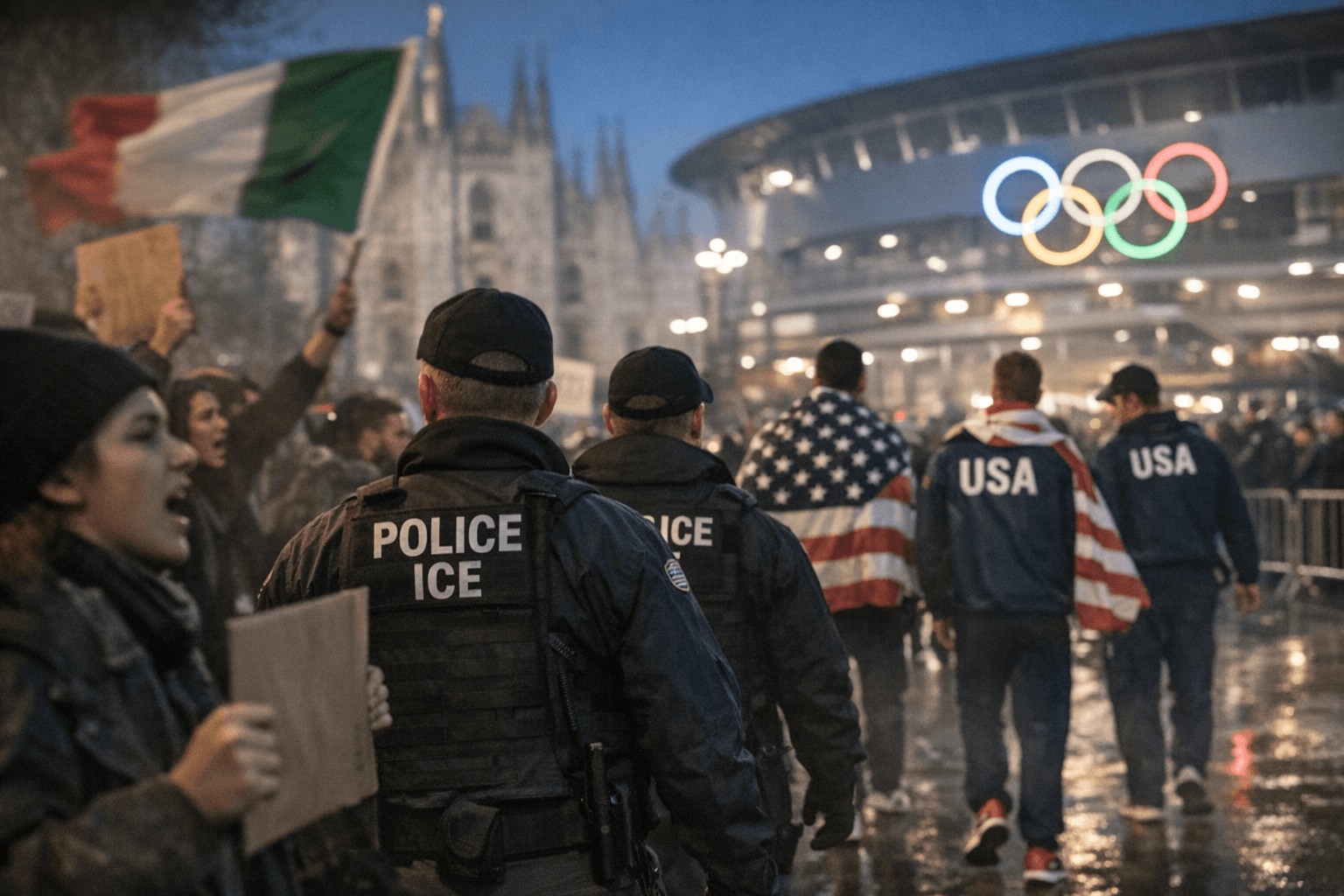
The political and reputational consequences were immediate. Three U.S. national governing bodies confirmed they renamed a shared hospitality space from "Ice House" to "Winter House," saying in a joint statement that "our hospitality concept was designed to be a private space free of distractions where athletes, their families, and friends can come together to celebrate the unique experience of the Winter Games. This name captures that vision and connects to the season and the event." The move reflects a broader corporate caution: some businesses and partners have already signaled discomfort over association with ICE amid global protests and petitions.
Team USA, the largest national delegation at the Games, has itself become a symbol in the debate. Counts of U.S. athletes vary in reports, with figures cited at 232 in some accounts and "nearly 250" in others, underscoring the need for clear roster confirmation. Observers warn that the national team’s visibility makes it an easy focal point for political frustrations. "The national team is symbolic of the nation. That just makes it such a target for any potential political frustration," Coates Ulrichsen said.
U.S. Olympic officials appear intent on limiting distractions. USOPC CEO Sarah Hirschman said she "doesn’t anticipate anti-American sentiment," while Deal said she has not heard athlete concerns and that the organization has "an extensive Games readiness program," adding, "I can't speak on behalf of the State Department or the embassy." For now, protests have been peaceful and heavily policed, but the clash of local politics, global migration debates and high-profile sport has already reshaped how security and hospitality will be handled in Milan and signaled a continuing cultural and diplomatic test at these Olympics.
This article was produced by Prism’s automated news system from verified source data, official records, and press releases, then run through automated quality and moderation checks before publishing. The system is built and supervised by the people who set the standards it runs under. Read our full AI policy.
Did this article answer your question?
.jpg&w=1920&q=75)