Puppy yoga welfare risks prompt calls for clearer safety practices
New analysis warns puppy yoga can harm young dogs' development and urges organizers and participants to adopt stronger welfare safeguards.
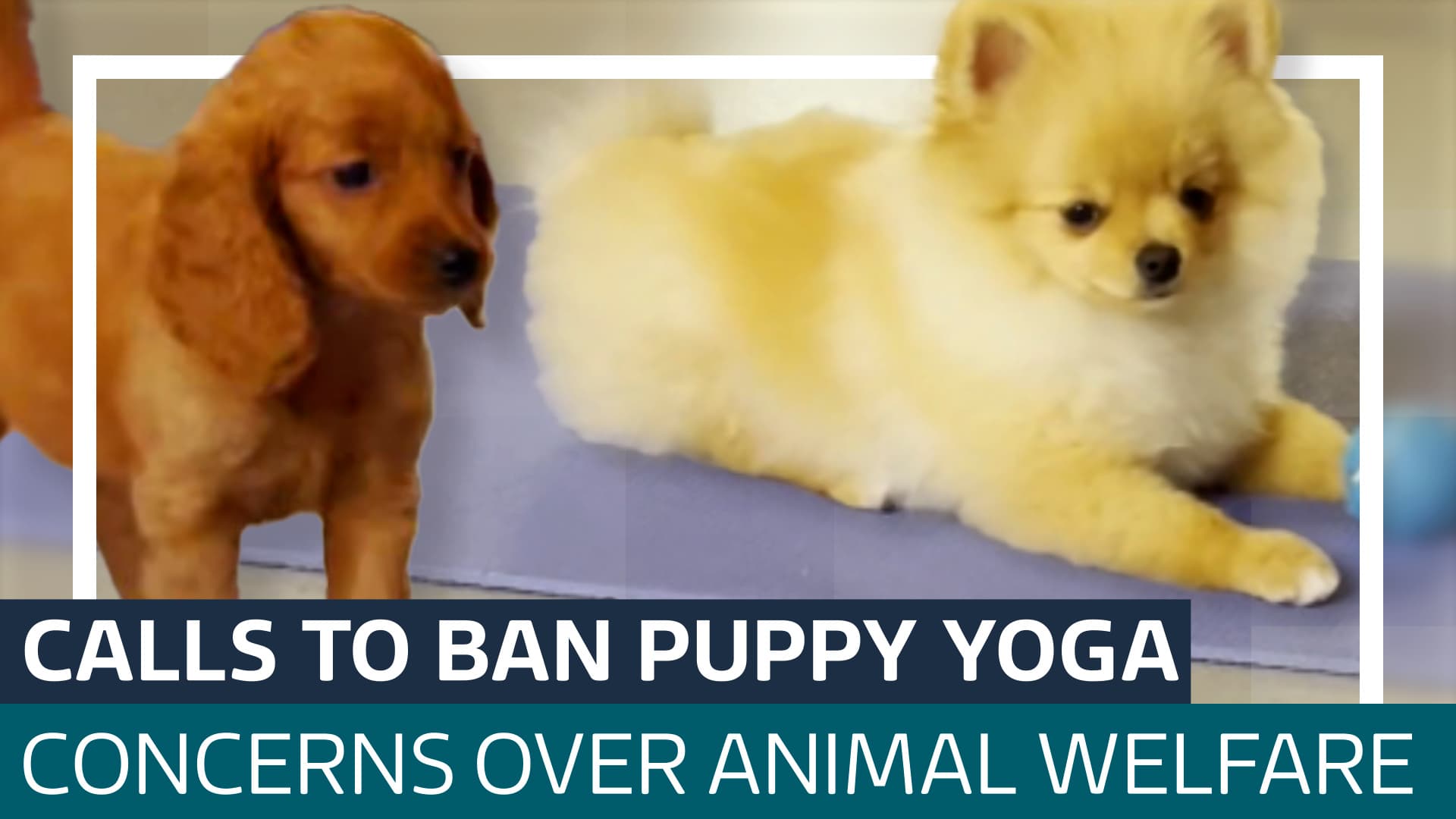
Puppy yoga and other animal-centric wellness trends are under scrutiny as welfare experts highlight the risks of exposing very young dogs to frequent classes, transport and repeated handling. The core concern is simple: puppies need long, uninterrupted sleep and carefully staged socialization, and routine class formats often disrupt those needs in ways that can affect physical growth and behavioral development.
Classes that run multiple sessions a day or shuttle puppies between venues increase stimulation, interrupt naps and raise the chance of overheating or stress. Poor supervision, crowded spaces and loud music can push puppies past their tolerance thresholds; when that happens, stress responses can become learned rather than transient, changing how those dogs respond to humans and other animals later in life. Organizers who source litters specifically to supply repeated public appearances may also be fueling a market that indirectly supports poor-breeding practices.
Welfare standards for these unregulated activities vary widely. The RSPCA recommends prioritizing animal welfare through enforceable measures: enforce regular rest breaks and quiet recovery areas, require strict health and vaccination checks before public interaction, limit both session length and how often individual puppies participate, and reduce transport and handling. The guidance also encourages alternatives when welfare concerns remain, volunteering at shelters or running adult-dog-friendly events where dogs are settled and vaccinated reduces the risks tied to very young animals.
Practical steps for organizers and participants are clear and achievable. Check vaccination records and health certifications before booking or bringing a dog. Ask how long a puppy will be on site, how many classes it will attend per week, and whether handlers are trained to read canine body language. Insist on cool, ventilated spaces and designated quiet zones where dogs can nap undisturbed. When in doubt, shift programming toward adult dogs or shelter partnerships; older dogs with established routines tolerate classes and social interaction much better than neonates.
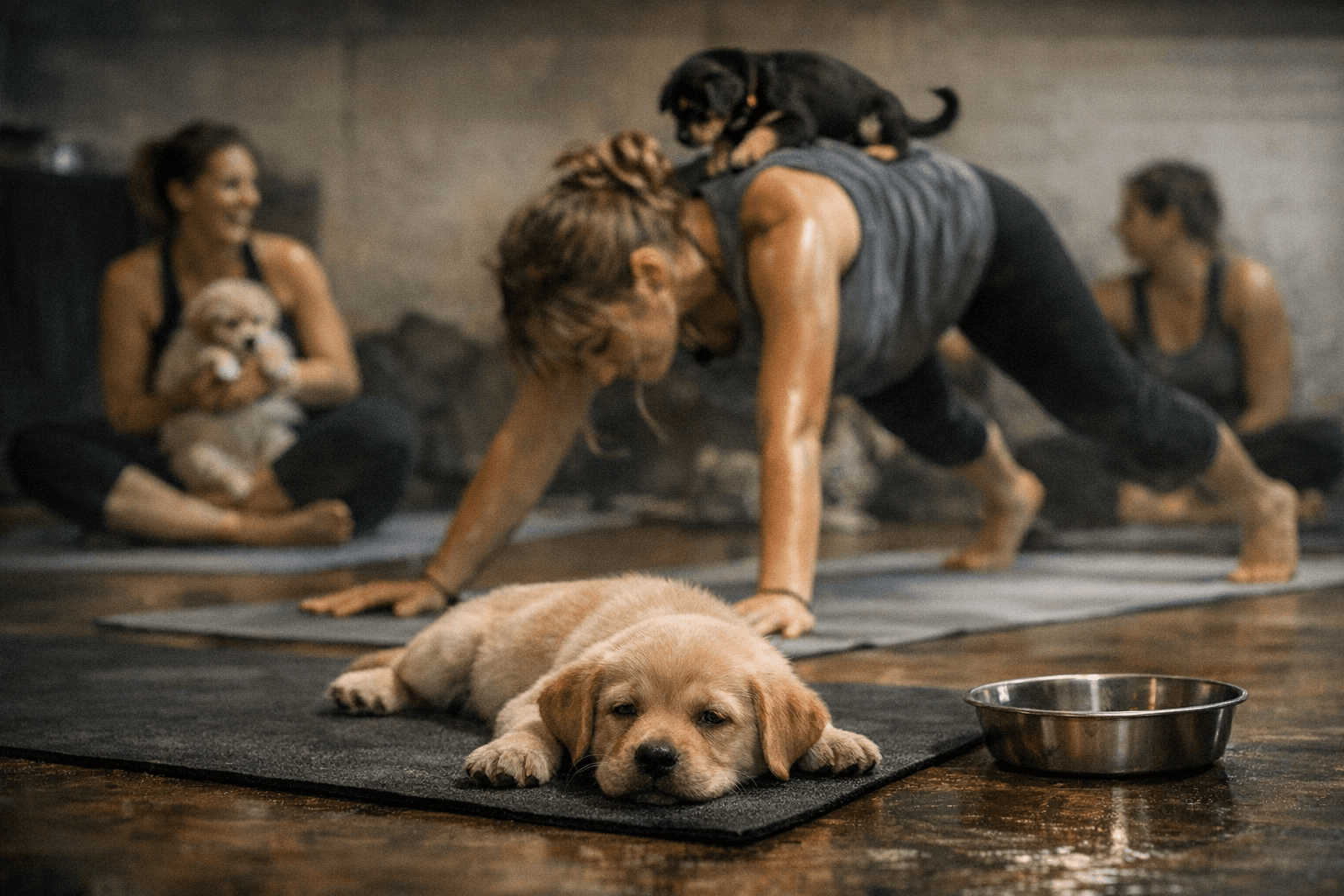
For the dog-yoga community, the stakes are both ethical and reputational. Events that prioritize short-term novelty over long-term animal welfare risk alienating regulars and attracting regulatory attention. Organizers who adopt clear, welfare-first policies can protect animals and build more sustainable community practices that keep both pups and people safe.
This is a moment for the community to translate concern into action: tighten booking practices, set firm limits on puppy participation, and favor alternatives that minimize stress. Those steps will keep classes enjoyable, preserve the wellbeing of dogs, and ensure the downward dog stays a positive experience for everyone involved.
This article was produced by Prism’s automated news system from verified source data, official records, and press releases, then run through automated quality and moderation checks before publishing. The system is built and supervised by the people who set the standards it runs under. Read our full AI policy.
Know something we missed? Have a correction or additional information?
Submit a Tip