Purdue Pharma sentencing to seal bankruptcy deal, $7.4 billion opioid settlement
Purdue's sentencing cleared the last court step toward a $7.4 billion opioid payout, with money set to flow to states, local governments and victims.
Purdue Pharma’s sentencing in Newark cleared the final legal hurdle toward a bankruptcy deal that will send billions of dollars to states, local governments and people harmed by the opioid crisis. The hearing, before U.S. District Judge Madeline Cox Arleo, moved the case closer to a settlement valued at at least $7.4 billion and to the dissolution of a company that once dominated the OxyContin market.
The criminal case ends with a steep headline penalty and far less money actually reaching federal hands. Purdue’s fines were set at $5.5 billion, but a 2020 agreement with the Justice Department means most of that amount is expected to go unpaid, with the federal government collecting $225 million. The rest of Purdue’s remaining assets are slated to go largely to creditors, most of them state and local governments that have spent years absorbing the costs of addiction treatment, emergency response and public health damage.
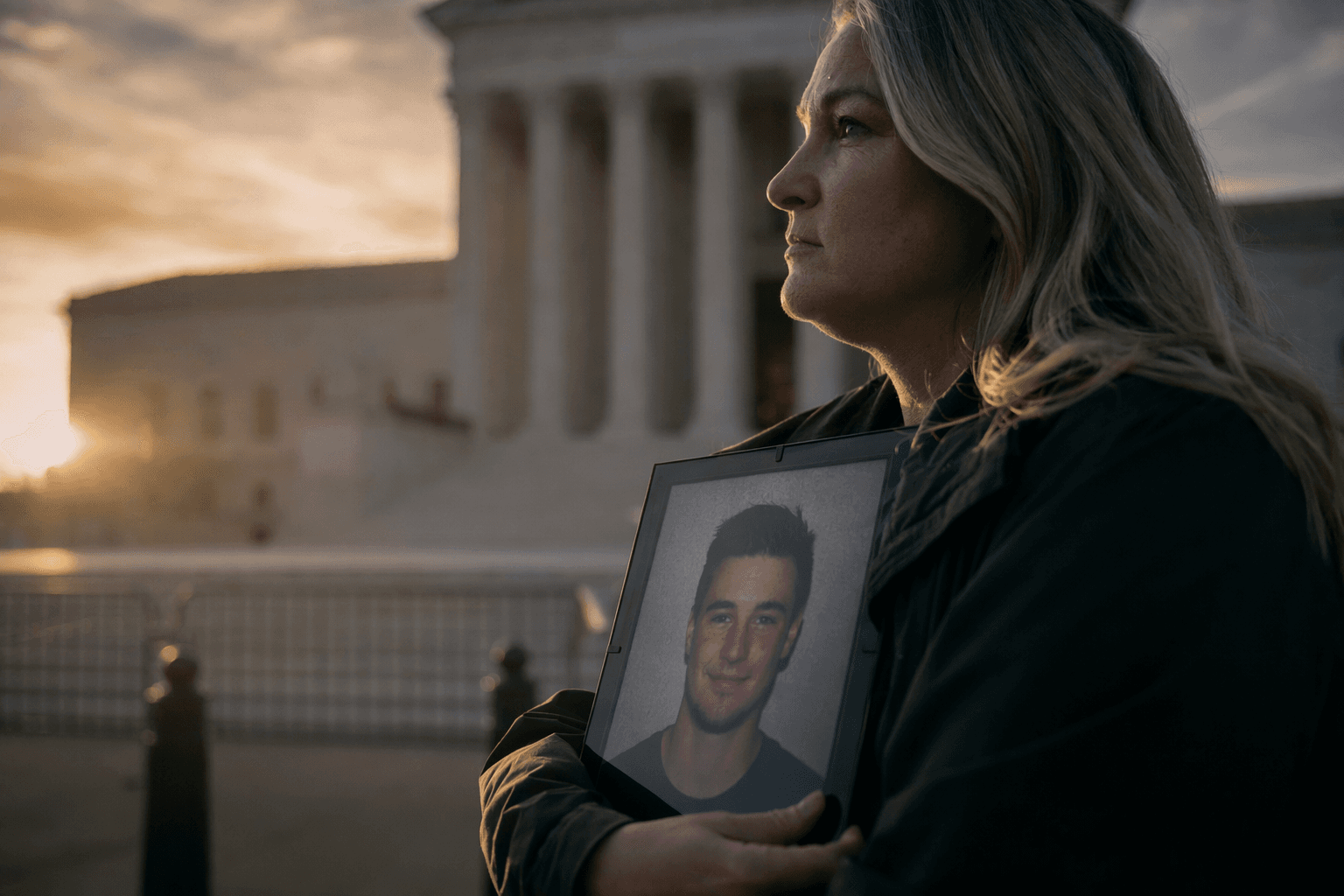
The sentencing was delayed once so victims and members of the public could be heard in court, a reminder that the case has always carried more than financial consequences. Purdue filed for bankruptcy in 2019 after facing thousands of opioid-related lawsuits, and the dispute became a national test of whether the legal system could force accountability from a company accused of deceiving regulators and paying kickbacks to doctors to boost OxyContin sales.
The path to Thursday’s hearing ran through the U.S. Supreme Court. On June 27, 2024, the court blocked Purdue’s earlier bankruptcy plan in Harrington v. Purdue Pharma, ruling that bankruptcy courts cannot impose nonconsensual third-party releases for nondebtors such as the Sackler family. After that ruling, Purdue and the Sacklers negotiated a revised plan that Judge Sean H. Lane approved in November 2025.

Under the revised deal, the Sacklers are expected to contribute roughly $6.5 billion to $7 billion over time, while Purdue will provide about $900 million in an initial payment. The settlement also sets aside about $900 million for individual victims, a feature that separates it from many earlier opioid agreements. All 50 states, Washington, D.C., and four U.S. territories signed on to the package in 2025, and the first payment was expected in early 2026 pending approval.
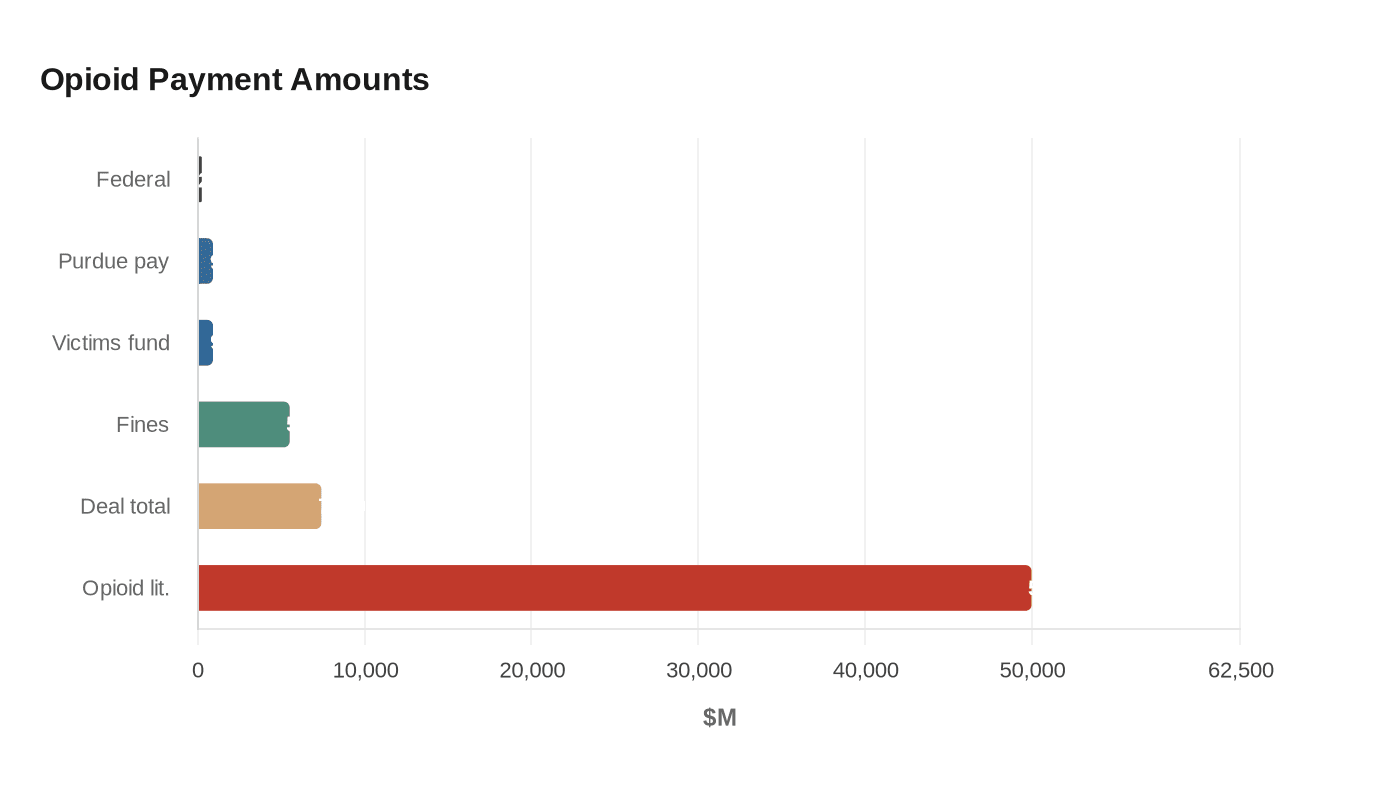
The company’s assets are to be transferred to a new public-benefit company focused on addressing the opioid crisis, another sign that the case is being treated not only as a punishment, but as a mechanism for distributing relief. The broader opioid litigation has already produced about $50 billion in settlements from drugmakers, distributors and pharmacies, yet Purdue remains one of the clearest symbols of the national reckoning over prescription opioids. The Supreme Court said about 247,000 people in the United States died from prescription-opioid overdoses between 1999 and 2019, a toll that still hangs over every dollar the settlement sends out.
This article was produced by Prism’s automated news system from verified source data, official records, and press releases, then run through automated quality and moderation checks before publishing. The system is built and supervised by the people who set the standards it runs under. Read our full AI policy.
Did this article answer your question?


