Putin, Lukashenko to hold Ukraine war talks amid Belarus tensions
Putin and Lukashenko were set to meet as Kyiv pressed Belarus over relay stations tied to Russian drone attacks and Minsk warned it could be pulled deeper into war.
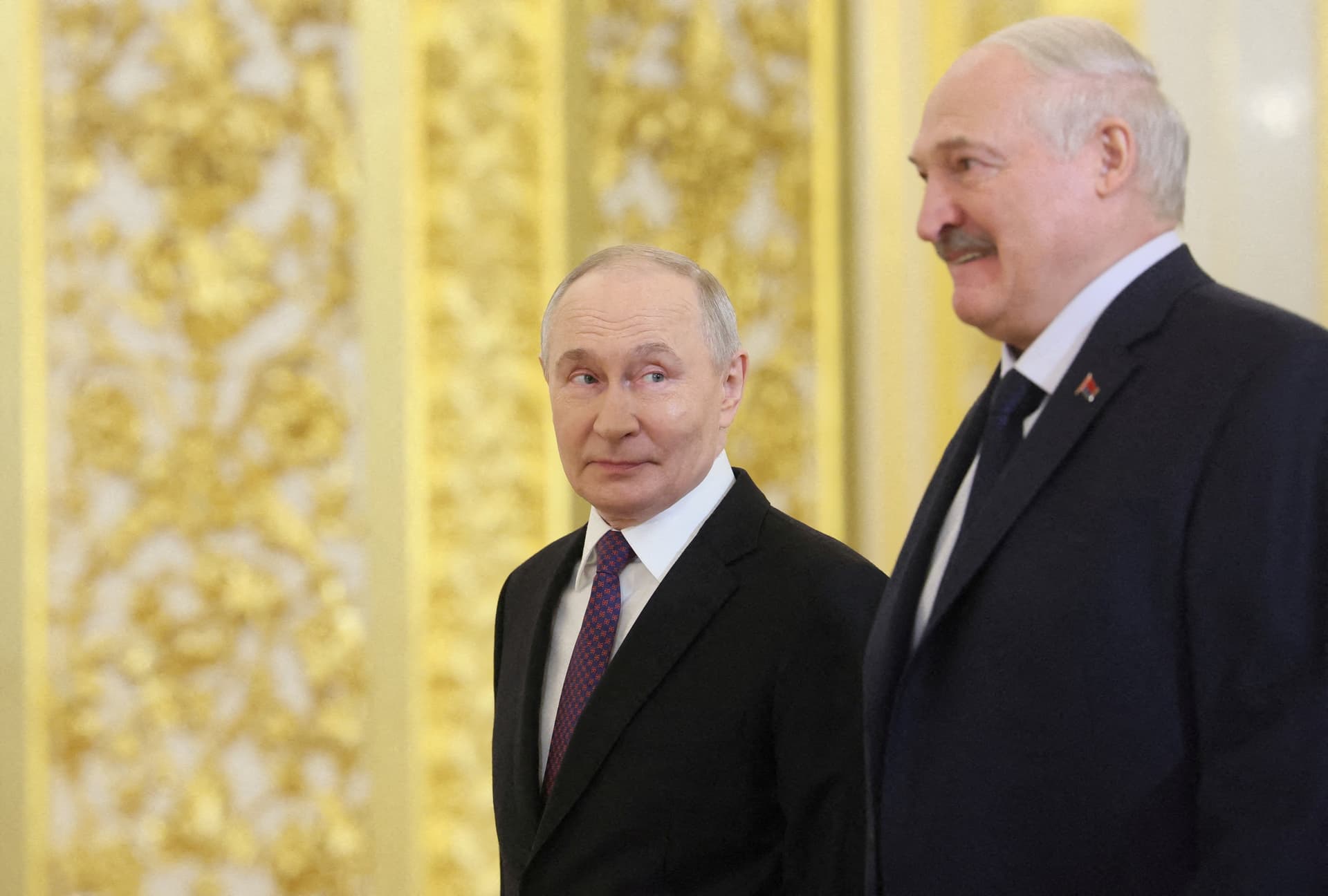
Vladimir Putin and Alexander Lukashenko were set to hold talks on Friday as Belarus came under fresh pressure over its role in Russia’s war against Ukraine, including disputed relay stations that Kyiv says helped guide Russian drone attacks. The meeting came after Volodymyr Zelenskiy said he believed Putin was trying to push Lukashenko to increase support for Moscow, an accusation Russia and Belarus denied.
The dispute has sharpened around infrastructure on Belarusian territory that Ukrainian officials described as signal relay stations or repeaters used by Russian attack drones. Zelenskiy pressed Minsk on two consecutive days to dismantle the equipment and gave Belarus a week to remove it. By Wednesday, Zelenskiy said the stations had stopped working, although there was no independent confirmation.
Lukashenko tried to draw a line in his own direction on Thursday, saying he had met representatives of Zelenskiy and warned them not to drag Belarus into war. Russia denied it was pressuring Belarus to widen the conflict, while Belarus said it was the West trying to pull the country deeper into it. The language on both sides underscored how narrow Lukashenko’s room to maneuver has become as the fighting drags on.
That pressure sits on top of Belarus’s existing military dependence on Moscow. Belarusian territory was used as a launchpad for Russia’s February 2022 invasion of Ukraine, and in March 2023 Putin announced that Russia would station tactical nuclear weapons in Belarus. On May 25, 2023, the Russian and Belarusian defense ministers signed an agreement regulating that deployment.
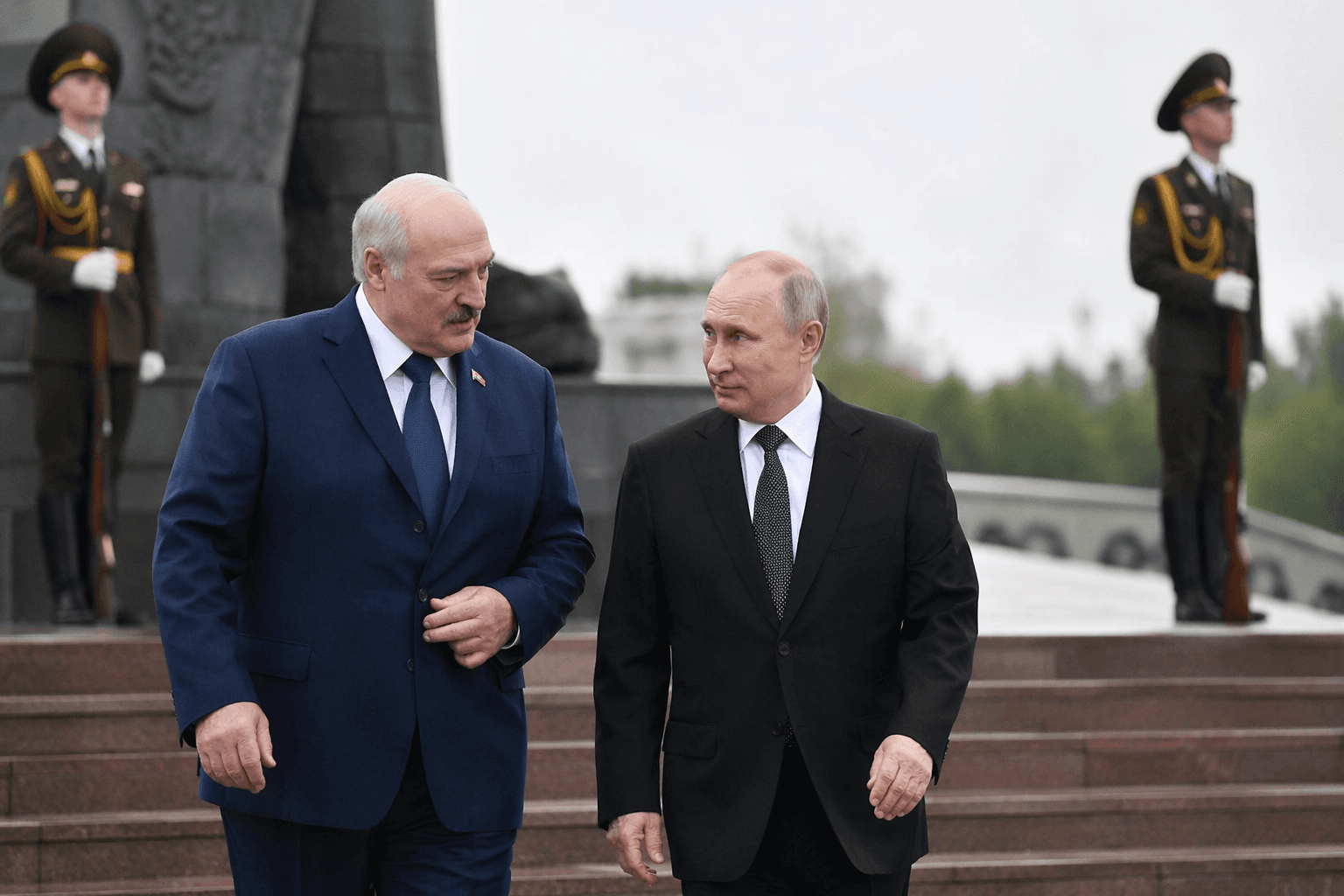
The nuclear announcement drew a sharp response from NATO, which called Russia’s rhetoric dangerous and irresponsible. The Kremlin later said the weapons would be delivered by July 1, 2023, according to the OSW Centre for Eastern Studies. Even without sending its own troops into battle, Belarus has remained one of the most sensitive auxiliary theaters in the war, with every adjustment in cooperation carrying consequences for Russian logistics, missile routing and the credibility of Minsk’s claims of neutrality.
The talks between Putin and Lukashenko also reflected a broader pattern in the war: escalation is often managed through private summits, warnings and signaling between a small circle of leaders. For Kyiv and NATO capitals, Belarus is not a side issue. It is a live pressure point in a conflict that keeps testing how far Moscow can draw its closest ally without forcing a direct regional break.
This article was produced by Prism’s automated news system from verified source data, official records, and press releases, then run through automated quality and moderation checks before publishing. The system is built and supervised by the people who set the standards it runs under. Read our full AI policy.
Did this article answer your question?