Qualcomm lifts non-handset revenue target to $40 billion by 2029
Qualcomm doubled its 2029 non-handset target to $40 billion, and investors sent the shares up more than 12% as the company leaned harder into AI, autos and data centers.
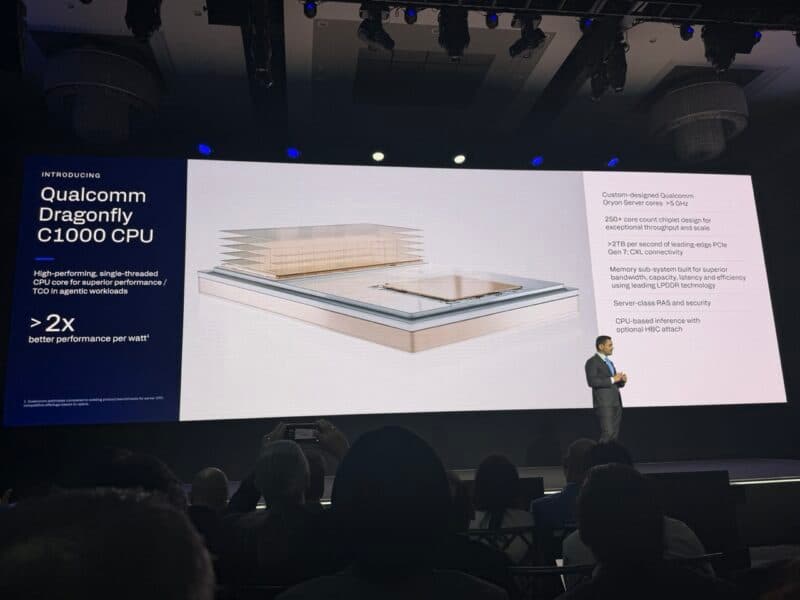
Qualcomm shares jumped more than 12% in premarket trading after the company lifted its fiscal 2029 non-handset revenue target to $40 billion, twice its previous goal. At its investor day in New York on June 24, Qualcomm outlined growth plans built around data centers, automotive chips, personal-computer processors and AI software.
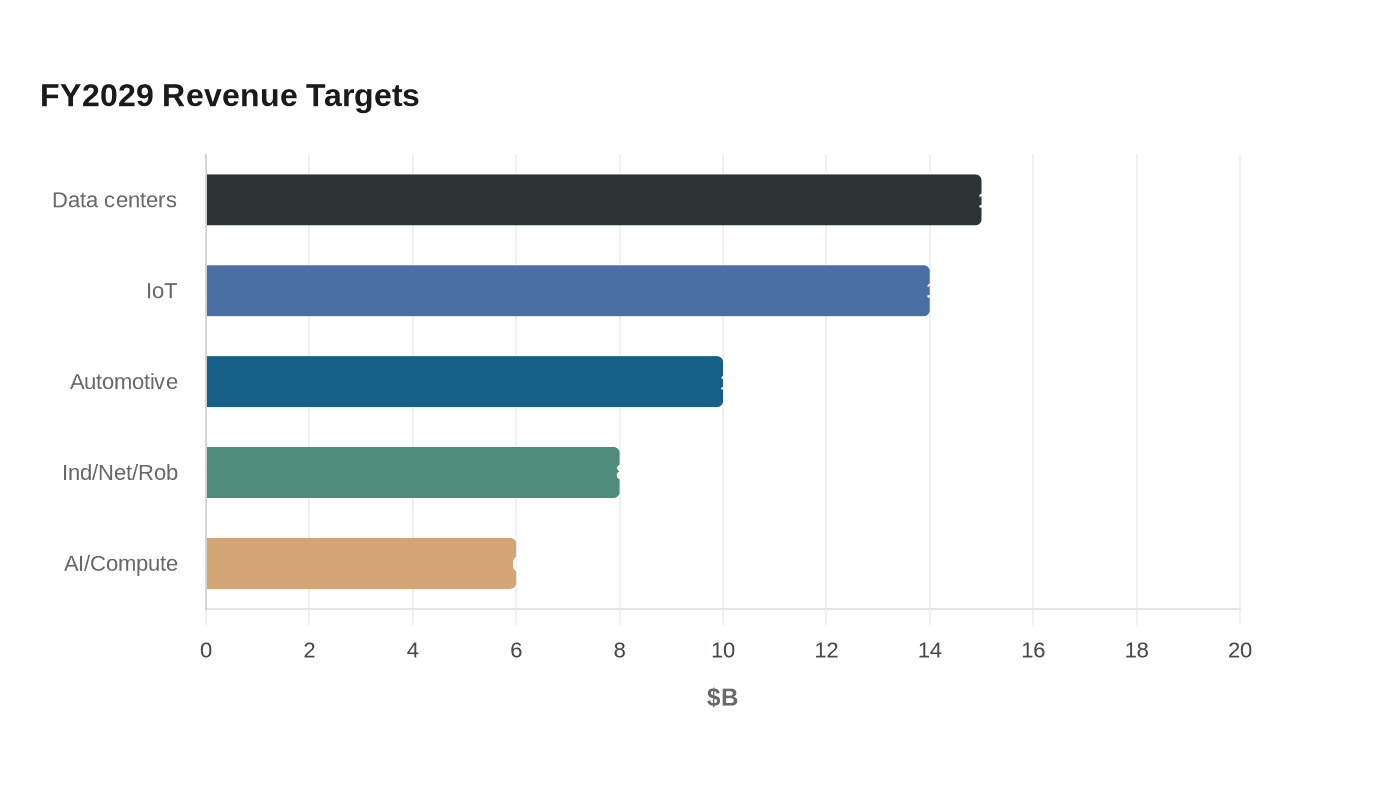
The biggest push is in data centers. It now expects more than $15 billion of fiscal 2029 revenue from that business and unveiled the Dragonfly C1000 CPU, the first chip in a multi-generation roadmap that also includes AI250 and AI300. Meta Platforms will be the first major customer, with production of the first-generation CPU slated for the second half of 2028. The strategy is built around high-bandwidth compute and a 4-8x total-cost-of-ownership advantage versus rivals, including Nvidia in AI infrastructure and AMD in servers.

Automotive is the other major leg of the plan. It now targets $10 billion in automotive revenue in fiscal 2029, up from a business that generated $1.3 billion in the quarter reported in April, a 38% increase from a year earlier. The automotive design-win pipeline has reached $65 billion, while other fiscal 2029 targets include more than $14 billion in IoT revenue, $8 billion in industrial, networking and robotics revenue and $6 billion in personal AI and compute revenue.
Qualcomm’s all-stock acquisition of Modular, valued at nearly $4 billion, is designed to help developers run AI models across different chips without rewriting code for each processor. The platform will support its edge-to-cloud AI strategy and its effort to build a developer-friendly ecosystem around its own silicon.
Phones are expected to make up about one-third of QCT revenues by fiscal 2029, down from a mix at the end of 2025 that was about 72% handsets and 27% automotive plus IoT, according to GSMA Intelligence. Earlier in June, Cristiano Amon said the handset business was likely to bottom in fiscal third quarter and then improve sequentially, after the company had been “significantly under-shipping to consumer demand” because of memory-related constraints.
This article was produced by Prism’s automated news system from verified source data, official records, and press releases, then run through automated quality and moderation checks before publishing. The system is built and supervised by the people who set the standards it runs under. Read our full AI policy.
Know something we missed? Have a correction or additional information?
Submit a Tip