Quilty AI film predictor misfires on Sinners, Barbie scripts
Quilty promised to read a script like a crystal ball. Its first public test crowned Christy over Barbie and Sinners, even as the biopic opened to just $1.3 million.

Quilty promised studios a machine that could read a screenplay and forecast its fate. Its first high-profile test delivered the wrong winner: Christy, a boxing biopic that opened to just $1.3 million, scored higher than Barbie, which went on to gross $1.44 billion worldwide, and Sinners, one of 2026’s most talked-about films.
The startup publicly launched on March 30, 2026, pitching itself as a unified entertainment-intelligence platform from founders Simon Horsman, a technology and entertainment lawyer and film, television and theatre producer, and Daniel Wood, a technology entrepreneur and film producer. Quilty says its system evaluates scripts across four categories: story and craft, commercial viability, cultural resonance and production reality. The company presents the result on a 0 to 100 scale and offers a complimentary preview, with a paid in-depth evaluation priced at $49.99 that typically takes about 90 minutes to generate.
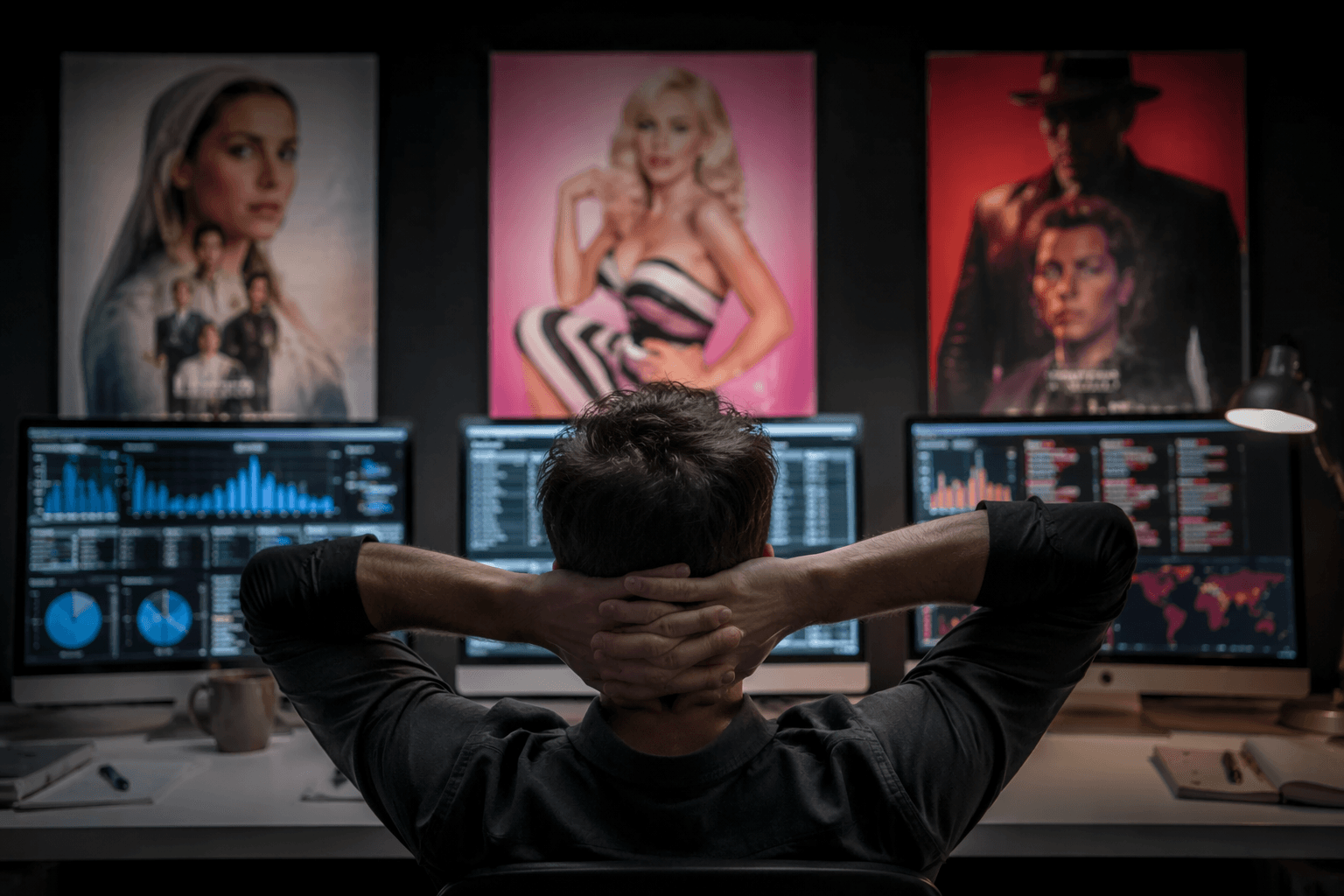
That promise lands squarely in Hollywood’s old tension between art and arithmetic. Quilty says it can help with creative analysis, packaging suggestions, market forecasting and production planning, and even forecast performance territory by territory. It also markets itself as a way for creators without deep industry connections to navigate a business still built on relationships, access and gut instinct.
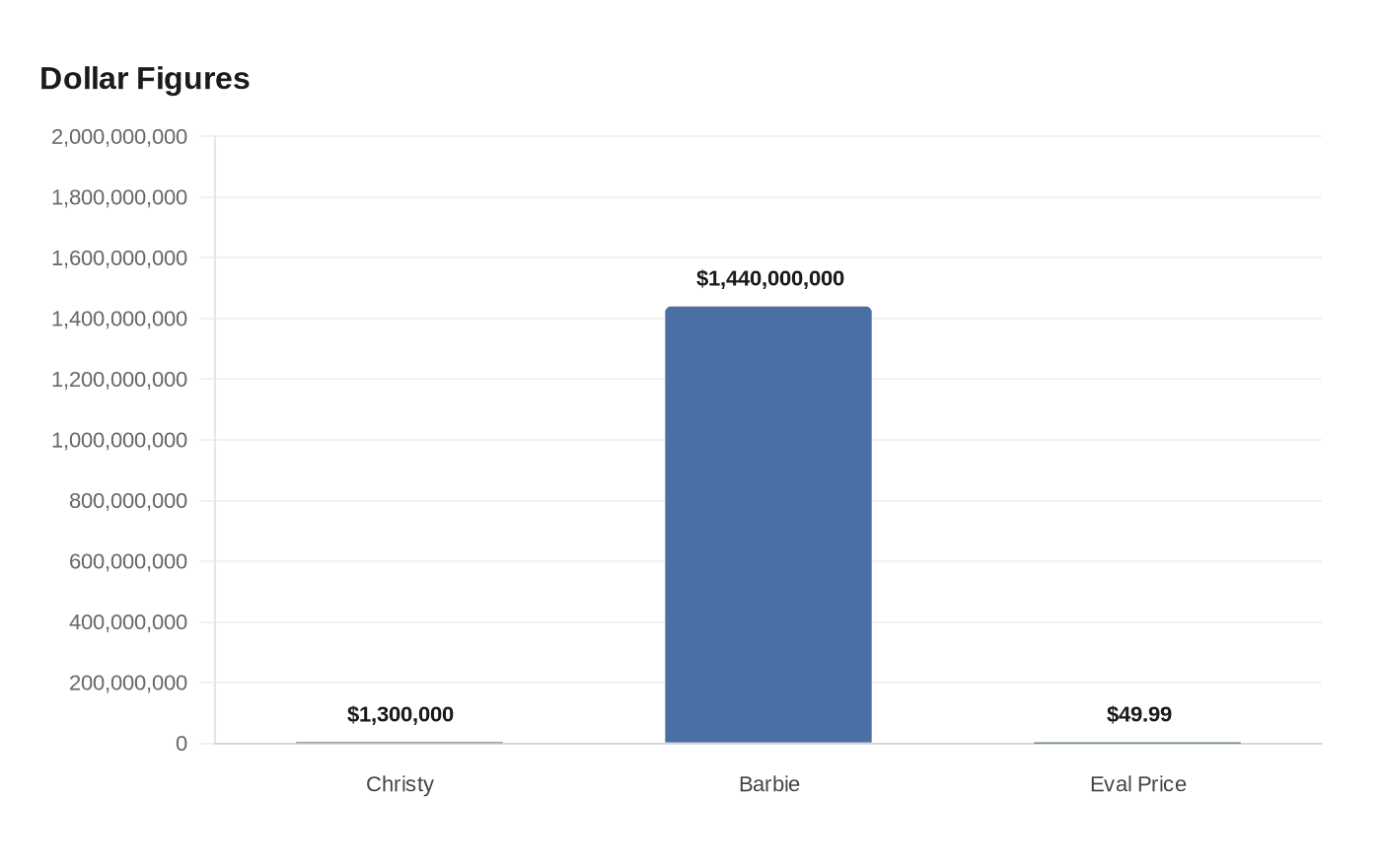
But the early reaction to its script test was skepticism, not awe. When the product was tested with scripts for Sinners, Barbie, Christy and Die Hard, the highest Quilty Score went to Christy. The result left testers slack-jawed and fed doubts that the tool was doing more than dressing up familiar executive instincts in algorithmic language.
Danny Manus, founder of No BullScript Consulting, mocked the pitch online as “crystal ball predictions.” His reaction captured the wider unease around AI screen analysis: whether the software is spotting signals humans miss, or simply repackaging the same guesses studios already make under pressure.
That pressure is real. MIT Technology Review has reported that Hollywood receives about 50,000 screenplay pitches a year, while only about 50 sell annually. That brutal funnel helps explain why AI coverage tools keep attracting attention, from Cinelytic’s Callaia, introduced in September 2024, to older players such as ScriptBook, which says it has analyzed more than 30,000 scripts. Yet Quilty’s opening misfire suggests the central question remains unresolved: can an AI truly infer box-office destiny from a script, or is Hollywood buying a glossy statistical proxy for the same instincts it has always trusted?
This article was produced by Prism’s automated news system from verified source data, official records, and press releases, then run through automated quality and moderation checks before publishing. The system is built and supervised by the people who set the standards it runs under. Read our full AI policy.
Know something we missed? Have a correction or additional information?
Submit a Tip