Radakin says next prime minister must pass Moscow test on defence
Tony Radakin said Andy Burnham would need a “Moscow test” on policy, recasting Labour’s local Makerfield slogan as a test of prime ministerial credibility.

Admiral Sir Tony Radakin has said Britain’s next prime minister must put defence at the centre of government, arguing that Andy Burnham would need a “Moscow test” for his policies if he reaches Downing Street. Radakin, who served as Chief of the Defence Staff from December 2021 to September 2025 and was the first naval officer to lead the British Armed Forces for 20 years, has now put strategic seriousness alongside domestic appeal as a measure of leadership.
The warning lands directly against Burnham’s own political branding. Burnham, the former Greater Manchester mayor and now Labour MP for Makerfield, has said new legislation and policy should pass a “Makerfield test”, meaning they should work for that constituency and its voters. Radakin’s formulation turns that local standard outward, toward Russia and the demands of national security, at a moment when defence is under sharper scrutiny across Westminster.
Burnham’s standing has risen after he won the Makerfield by-election on 18 June 2026 with 54.8% of the vote. Turnout reached 58.8%, and Reform UK’s Robert Kenyon took 34.5% after the resignation of Josh Simons created the vacancy. Burnham then used his victory speech on 19 June to make the Makerfield test central to his political programme, tying his new mandate to the constituency that sent him to Parliament.
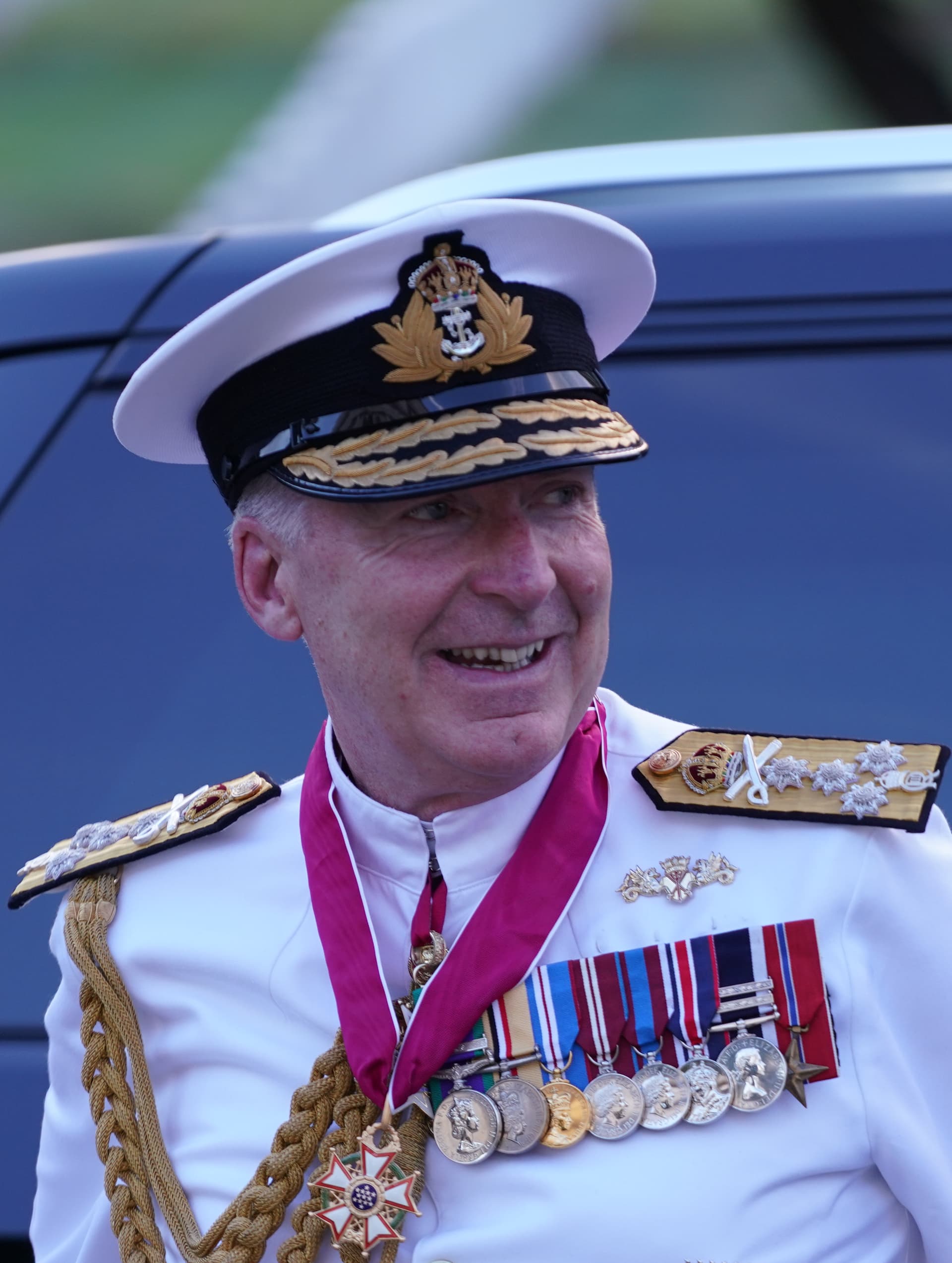

Radakin has previously argued that Britain has entered a more dangerous strategic era, pointing to Russia’s war against Ukraine and the need for a grand national strategy. That message now sits alongside the government’s defence plans, which include raising military spending to 2.5% of GDP from April 2027 and an ambition to reach 3% in the next parliament. The scale of those commitments has given extra weight to Radakin’s case that the next occupant of No 10 will be judged not only on electoral strength, but on whether that strength can withstand pressure from Moscow, and from the wider security environment Britain now faces.
This article was produced by Prism’s automated news system from verified source data, official records, and press releases, then run through automated quality and moderation checks before publishing. The system is built and supervised by the people who set the standards it runs under. Read our full AI policy.
Did this article answer your question?

