Raildox Takes Delivery of Euro9000 Locomotive for International Freight Operations
Raildox's first Euro9000 delivers 9MW of pulling power across four electrification systems, targeting freight bottlenecks on Europe's busiest cross-border corridors.
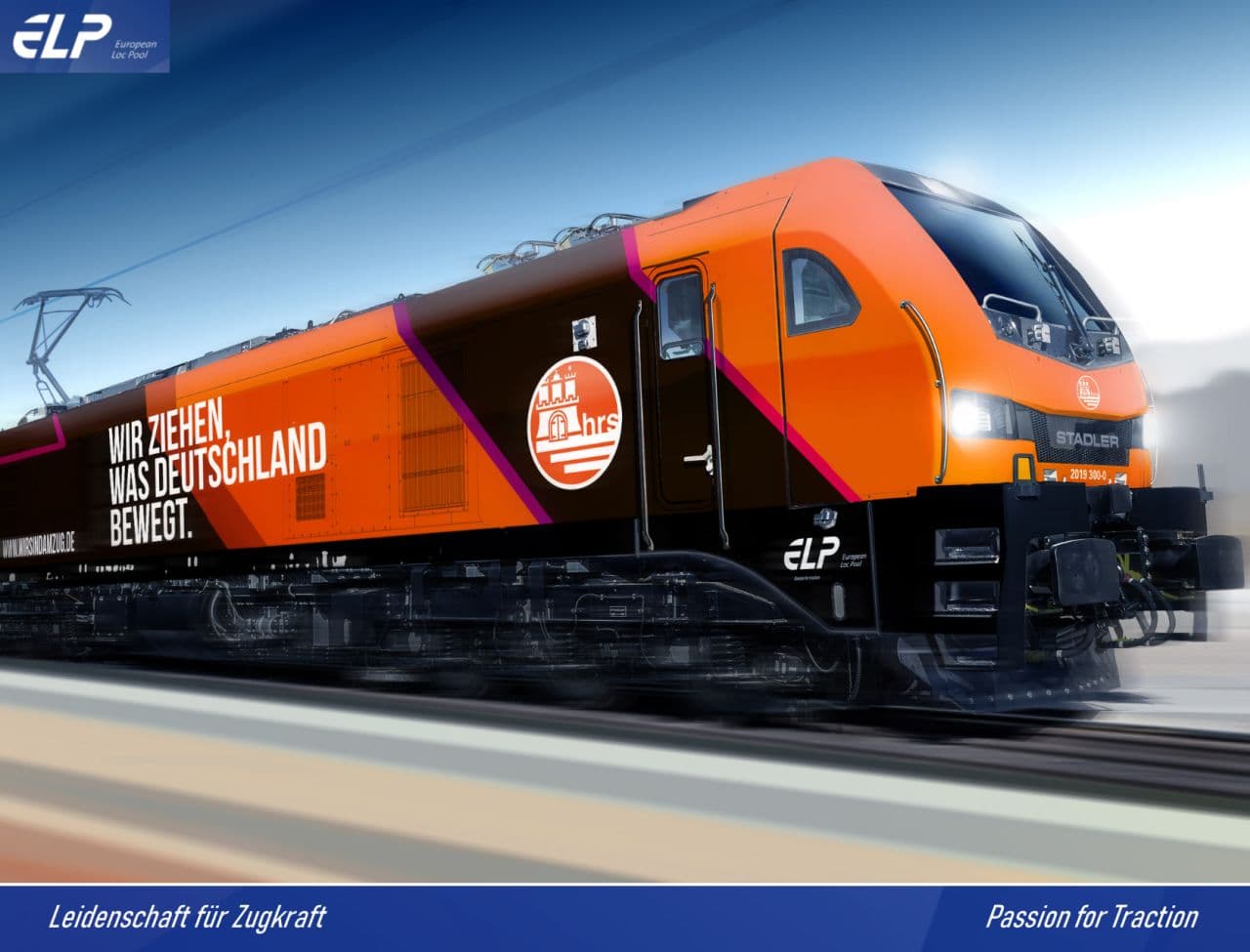
Raildox, the Erfurt-based freight operator founded in 2007, took delivery of its first Euro9000 locomotive from the European Loc Pool at the end of March 2026, marking the Thuringian company's debut with what its lessor calls a next-generation hybrid designed specifically for demanding international corridors.
The specific unit, numbered 2019 318, is a Stadler-built machine capable of drawing up to 9 megawatts in electric mode and 1.9 megawatts from its diesel powertrain, with 500 kilonewtons of tractive effort on tap. Critically, it is compatible with all four of Europe's principal electrification systems, including 25kV AC, 15kV AC, 3kV DC and 1.5kV DC, meaning it can cross national borders without stopping for traction changes that historically added hours to transit times on heavy freight corridors.
For a company whose cargo portfolio spans fertiliser, grain, sand, gravel, steel, waste and hazardous goods, the operational logic is direct: heavier, longer trains on routes threading through multiple national rail networks, without the cost and scheduling penalty of swapping locomotives at each border. The Euro9000 platform is built on Stadler's EuroDual and Euro4000 lineage, adapted for the scale and variety of pan-European freight demands.
The handover reflects a leasing and pooling model that has become increasingly standard across Europe's freight sector. Rather than committing large capital outlays to outright purchases, operators access modern traction through the European Loc Pool's shared fleet when demand spikes or new routes open, then return assets as traffic patterns shift. The arrangement is designed to smooth peaks in demand while giving operators the flexibility to scale for longer, heavier trains without the lead times of traditional procurement.
For policymakers pursuing a modal shift from road to rail, the broader rollout of powerful multi-system locomotives directly supports that goal. Regulators across the European Union have pressed freight operators to meet tightening emissions and noise standards, and modern pooled assets like the Euro9000 help smaller operators comply without absorbing the full cost of fleet modernisation.
The locomotive is expected to enter scheduled service within weeks of delivery, with both Raildox and ELP monitoring performance and interoperability across different national networks. More transfers of this kind are anticipated as European freight operators continue leveraging pooled assets ahead of longer-term fleet renewal commitments.
This article was produced by Prism’s automated news system from verified source data, official records, and press releases, then run through automated quality and moderation checks before publishing. The system is built and supervised by the people who set the standards it runs under. Read our full AI policy.
Did this article answer your question?

