Raleigh Lowers Speed Limits on 862 Streets Covering 287 Miles for Safety
Raleigh has reduced speed limits on 862 streets covering more than 287 miles since 2015, part of a Neighborhood Traffic Management Program that uses resident ballots and engineering evaluations.
The City of Raleigh has reduced speed limits on 862 streets, totaling over 287 miles, since 2015 to lower crash risks for pedestrians and cyclists. City transportation staff say the reductions are tied to a broader Neighborhood Traffic Management Program that residents use to request lower posted speeds.
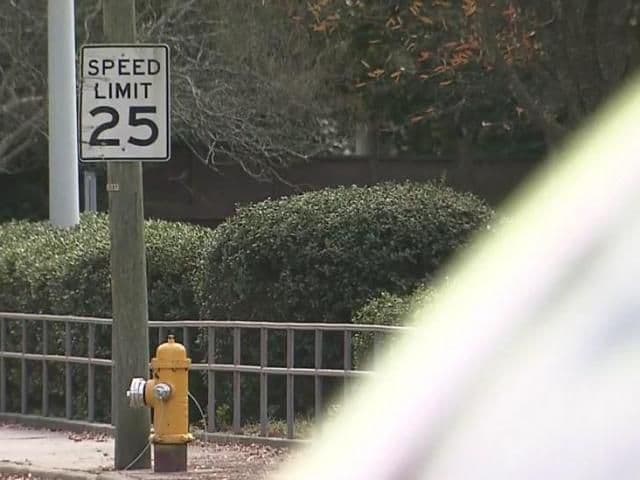
The program produced a large single-year push in 2021 when city leaders reduced speed limits on 128 streets. Most of those 2021 cuts moved posted limits from 35 miles per hour to 25 miles per hour, and one example cited by city staff is Lake Dam Road, which was reduced to 30 miles per hour. City records and staff notes show many of the recent actions trimmed neighborhood corridors to 25 mph.
City procedures are explicit: the NTMP was established "with a goal of increasing the safety and vibrancy of Raleigh’s neighborhood streets," and staff say "speed limit reductions resident requested are the first step in the broader traffic calming process and are usually effective enough that no further action is needed." Engineering evaluations were conducted and staff recommended changes in a City Council agenda item titled Neighborhood Speed Limit Reductions scheduled for the February 3, 2026 meeting. The agenda lists Transportation - Services sponsor William Shumaker and recommends authorizing the traffic schedule changes effective seven days after Council action.
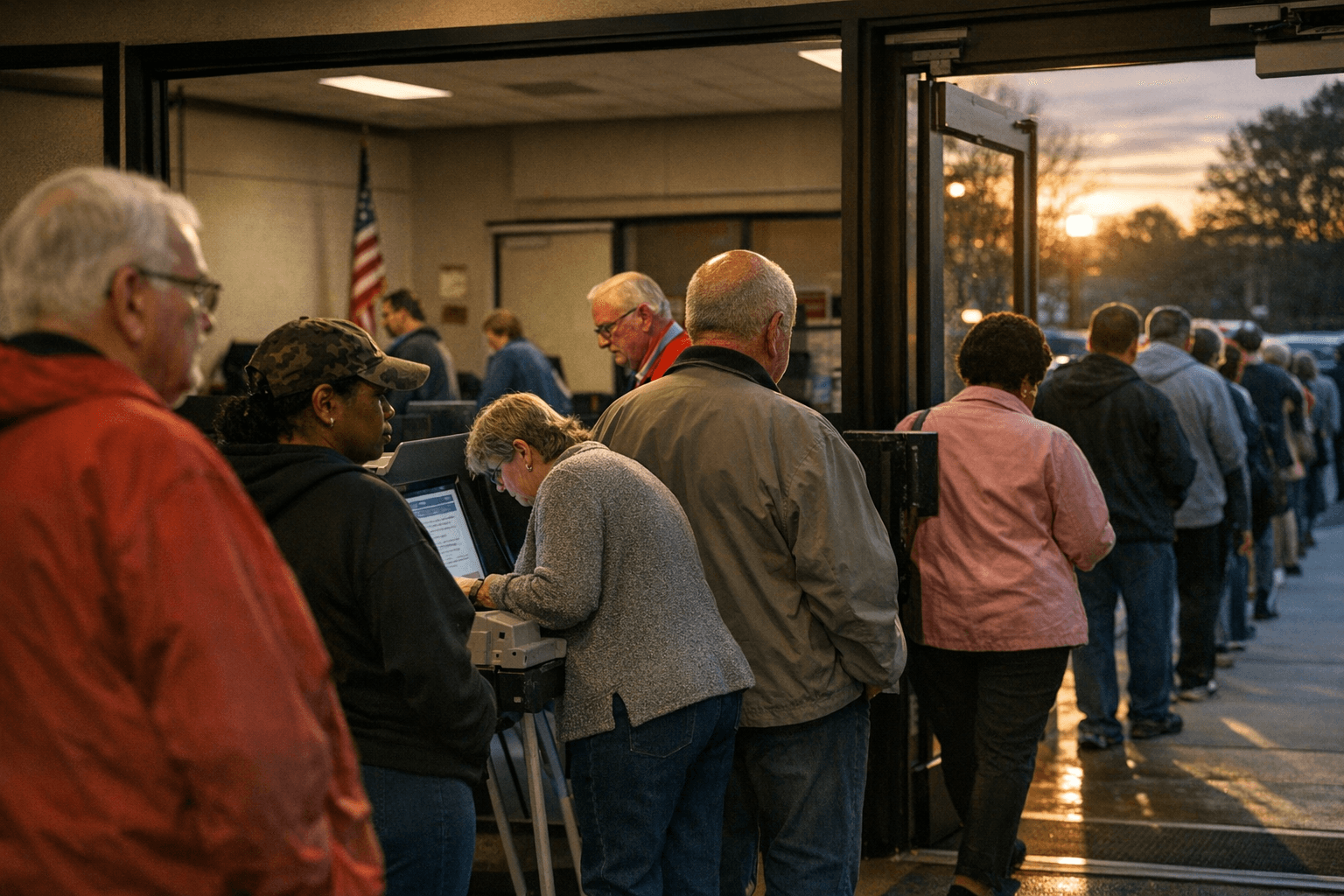
Resident engagement data accompanying the agenda show neighborhood ballot outcomes for specific streets: Brandyapple Drive had 70 ballots sent with 1 no vote, and Mango Drive had 21 ballots sent with 0 no votes. Those ballots are cited in staff backup materials as evidence of local support for the posted-speed changes.
Officials point to the relationship between impact speed and crash severity to justify the program: "If someone is hit by a car going 20 miles per hour there is a 90% chance of surviving, a 60% chance at 30 miles and a 20% chance at 40 miles." City spokespeople summarize the rationale succinctly: "Public safety is priority number one and this is a good way to improve public safety," attributed in city reporting to Knight.
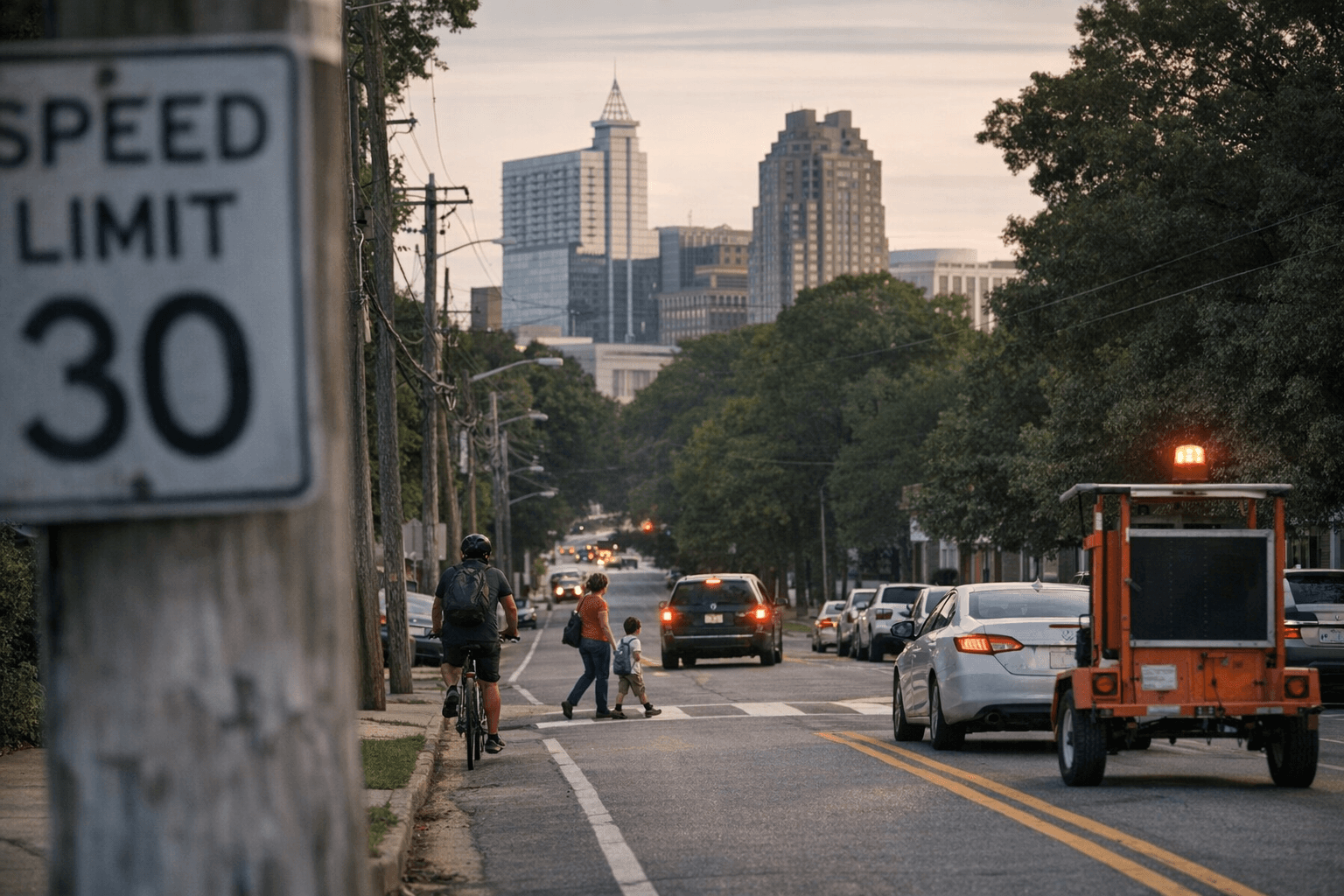
Enforcement has increased alongside posted-limit changes; Raleigh Police Department has "upped their ticketing when it comes to speeding." Historical context shows the city has long allowed petitions to lower residential streets to 25 mph while maintaining a 35 mph citywide limit in past years, and City Council at one point considered, then rejected, a blanket reduction of the citywide limit after input from the police chief and others.
Neighbors express mixed views on the street-by-street approach. Velma Crawford warned of fast corridors, saying, "It’s like a freeway from Fairview to Whitaker Mill." By contrast, Five Points resident Bill Ziegler questioned the traffic-calming effect of lower posted limits: "You could post a 10 miles per hour speed limit and I don’t think it would make much difference," and he urged road improvements and speed bumps as alternative measures.
With engineering evaluations, resident ballots and council approvals moving measures through the NTMP, Raleigh’s incremental program of 862 streets and more than 287 miles since 2015 remains the central tool city officials cite to reduce crash risk for pedestrians and cyclists.
Sources:
Know something we missed? Have a correction or additional information?
Submit a Tip