Ramaphosa challenges Phala Phala panel report in High Court
Ramaphosa went to court as Parliament readies impeachment, setting up a test of whether Section 89 can survive a direct legal attack.
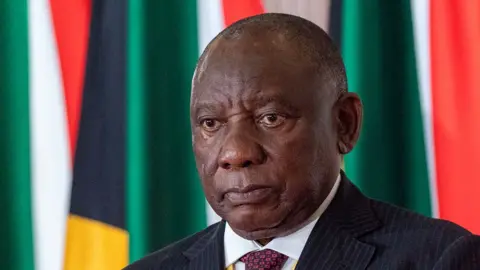
Cyril Ramaphosa has asked the Western Cape High Court to review and set aside the Section 89 Independent Panel report on Phala Phala, and to invalidate any steps the National Assembly has taken under it. Filed on 26 May 2026, the application turns a presidential scandal into a broader test of whether South Africa’s impeachment machinery can move ahead while the report that triggered it is being challenged in court.
The stakes are built into the Constitution itself. Section 89 allows the National Assembly, by a two-thirds majority, to remove a president only for a serious violation of the Constitution or the law, serious misconduct, or inability to perform the functions of office. In this case, the process began after the African Transformation Movement moved in June 2022, Speaker-appointed jurists led by former chief justice Sandile Ngcobo assessed the matter, and the panel concluded on 30 November 2022 that the information before it showed prima facie evidence that Ramaphosa may have committed serious misconduct and a serious breach of constitutional and anti-corruption duties.
The dispute traces back to the 9 February 2020 burglary at Ramaphosa’s Phala Phala farm in Limpopo, while he was attending the African Union summit in Addis Ababa. In June 2022, former intelligence chief Arthur Fraser laid criminal charges at Rosebank police station, alleging that more than US$4 million had been stolen and that a cover-up followed. Ramaphosa denied criminal wrongdoing, disputed the amount, and said the money came from game sales, later telling Parliament that he had reported the theft and would cooperate with the processes unfolding around it.
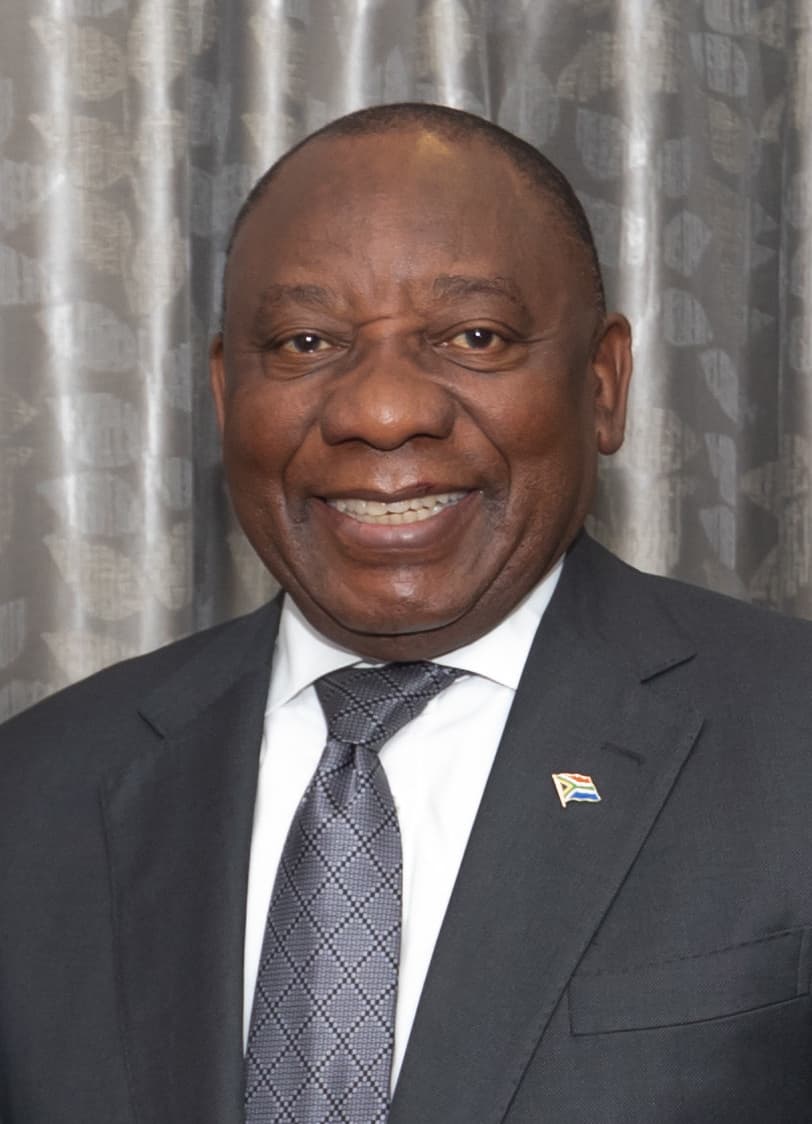
Parliament first halted the matter on 13 December 2022, when MPs voted 214 to 148 against referring the report to an impeachment committee. That decision changed on 8 May 2026, when the Constitutional Court ruled the National Assembly’s vote was unlawful, set aside Rule 129I, and ordered the report back into Parliament’s impeachment process. Parliament has said it will comply and begin the formal steps needed to constitute an impeachment committee under its rules.
Ramaphosa reportedly sought clearance from the Office of the Chief Justice before filing, because judges sat on the panel and the challenge engages Section 47 of the Superior Courts Act. His papers say the panel misunderstood its mandate and powers, while opponents including the EFF, ATM and ActionSA have denounced the move as a delay tactic. BOSA says taxpayers should not finance the fight. The ANC has defended Ramaphosa’s right to due process, but the deeper issue is whether a president can force a pause on impeachment by attacking the report that Parliament is now bound to reconsider.
This article was produced by Prism’s automated news system from verified source data, official records, and press releases, then run through automated quality and moderation checks before publishing. The system is built and supervised by the people who set the standards it runs under. Read our full AI policy.
Know something we missed? Have a correction or additional information?
Submit a Tip

