Ramaphosa challenges report over cash-in-sofa scandal at his farm
Ramaphosa went back to court over the Phala Phala cash theft report, trying to blunt a constitutional finding that could revive impeachment pressure.

Cyril Ramaphosa has gone back to the Western Cape High Court to challenge a panel report that found preliminary evidence he may have violated the constitution over the Phala Phala cash scandal, a move that could shape not only his reputation but Parliament’s next steps on impeachment.
The case centers on allegations that bundles of foreign currency were stolen from a sofa at Phala Phala farm in Limpopo on or about 9 February 2020. The amount reported stolen was about $580,000, or roughly R9.6 million, and the episode later became known as Farmgate. Arthur Fraser’s complaint pushed the affair into the national spotlight in 2022, turning what began as a farm theft case into a sustained test of presidential conduct and public ethics.
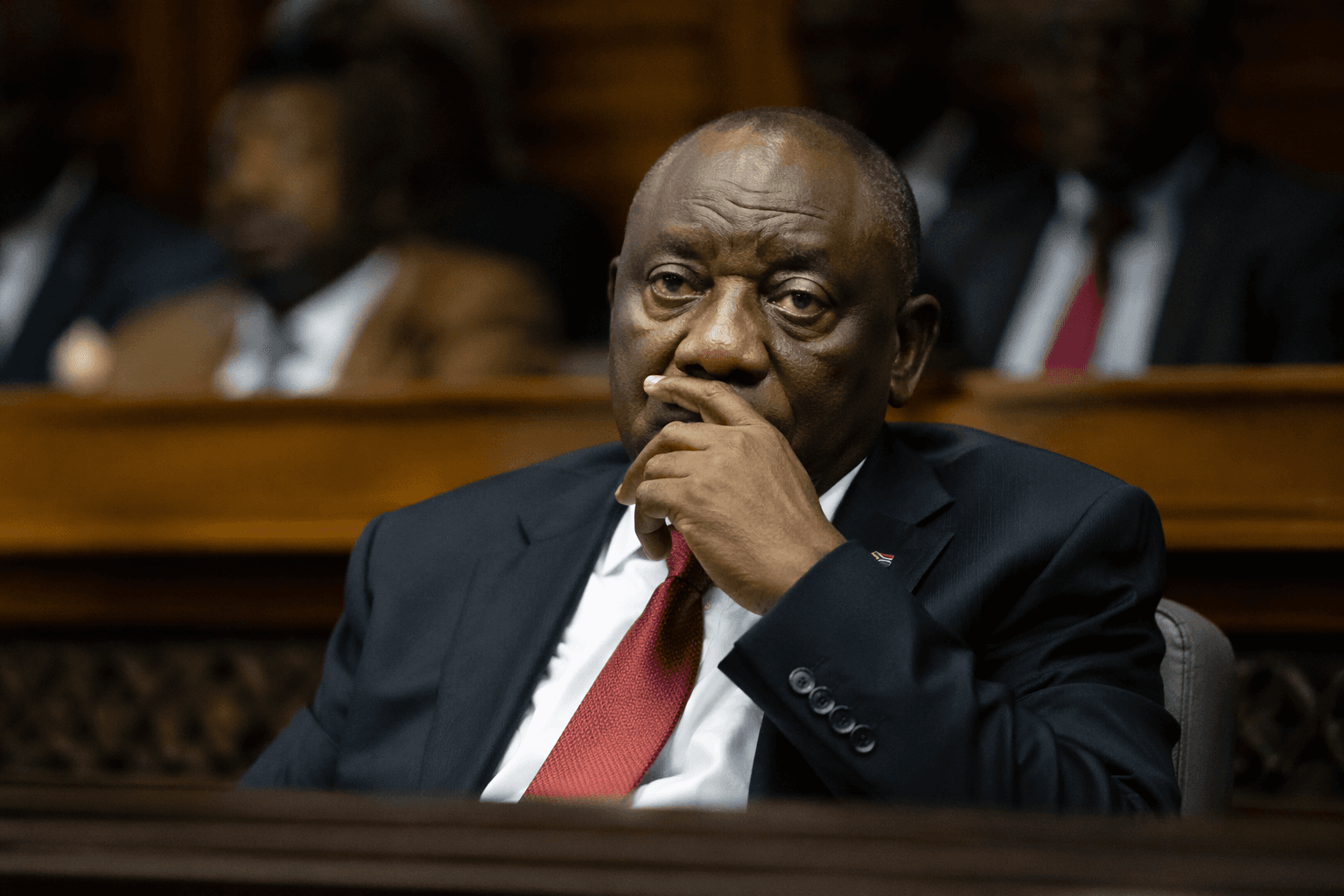
Ramaphosa’s latest filing asked the court to review and set aside the panel’s 2022 report, arguing that its conclusions rested on hearsay and that the process did not follow proper procedures. His lawyers also said the panel lowered the threshold for impeachment and relied on untested allegations tied to Fraser, a confidential Namibian police report and audio recordings. Ramaphosa has sought to clear his name, not simply contain the fallout, because the panel’s finding that he may have violated the constitution goes well beyond routine political embarrassment.
The stakes rose again on 8 May 2026, when the Constitutional Court ruled that the National Assembly’s December 2022 decision not to send the Section 89 panel report to an impeachment committee was unconstitutional and invalid. That ruling sent the matter back to Parliament, where impeachment proceedings can resume. The challenge now is not just about one scandal at one farm; it is about whether South Africa’s institutions can impose consequences on a sitting president when evidence, procedure and politics collide.

Ramaphosa’s supporters have pointed to earlier findings by the South African Reserve Bank and tax authorities that found no exchange-control or tax-law violations in the Phala Phala matter. Even so, the case has continued to energize opposition parties and to shadow Ramaphosa’s standing inside the African National Congress, where he remains strong enough to resist removal but not strong enough to escape scrutiny. With Parliament back in the picture, the fight over Phala Phala has become a wider test of institutional accountability and of how much political damage a constitutional dispute can still inflict on a president trying to keep control of the narrative.
This article was produced by Prism’s automated news system from verified source data, official records, and press releases, then run through automated quality and moderation checks before publishing. The system is built and supervised by the people who set the standards it runs under. Read our full AI policy.
Know something we missed? Have a correction or additional information?
Submit a Tip