Ramaswamy wins Ohio governor primary, Brown advances as redistricting fights reshape races
Ramaswamy’s Ohio win and Brown’s comeback show Trump still shapes Republican primaries, while redistricting loyalty is becoming a test of survival.
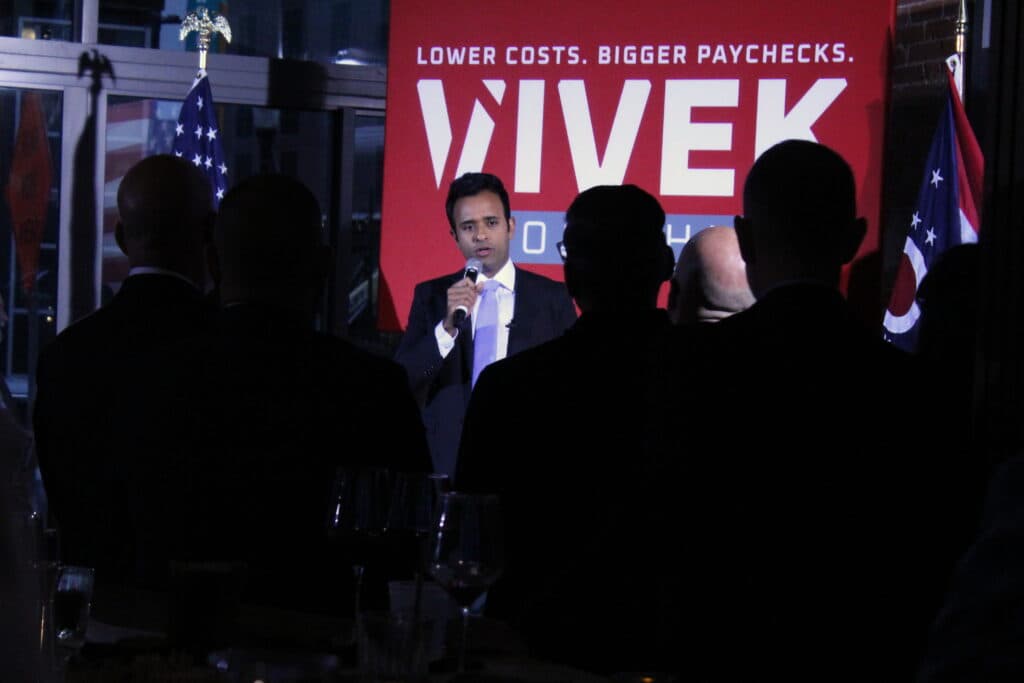
Vivek Ramaswamy’s victory in Ohio and Sherrod Brown’s return to the Senate battlefield turned Tuesday’s primaries into a national test of two forces now driving Republican and Democratic strategy: Donald Trump’s influence over the GOP and the fight over who controls congressional maps.
NBC News projected Ramaswamy as the winner of the Ohio Republican governor primary, setting up a November race against Democrat Amy Acton, the former state health director who led Ohio’s COVID-19 response. Brown, the former senator trying to win back the seat he lost in 2024, won the Democratic primary and will face Republican Sen. Jon Husted in a special election for the remaining two years of the term. Husted was appointed in January 2025 after JD Vance became vice president. Ohio Gov. Mike DeWine is term-limited and cannot seek another term.
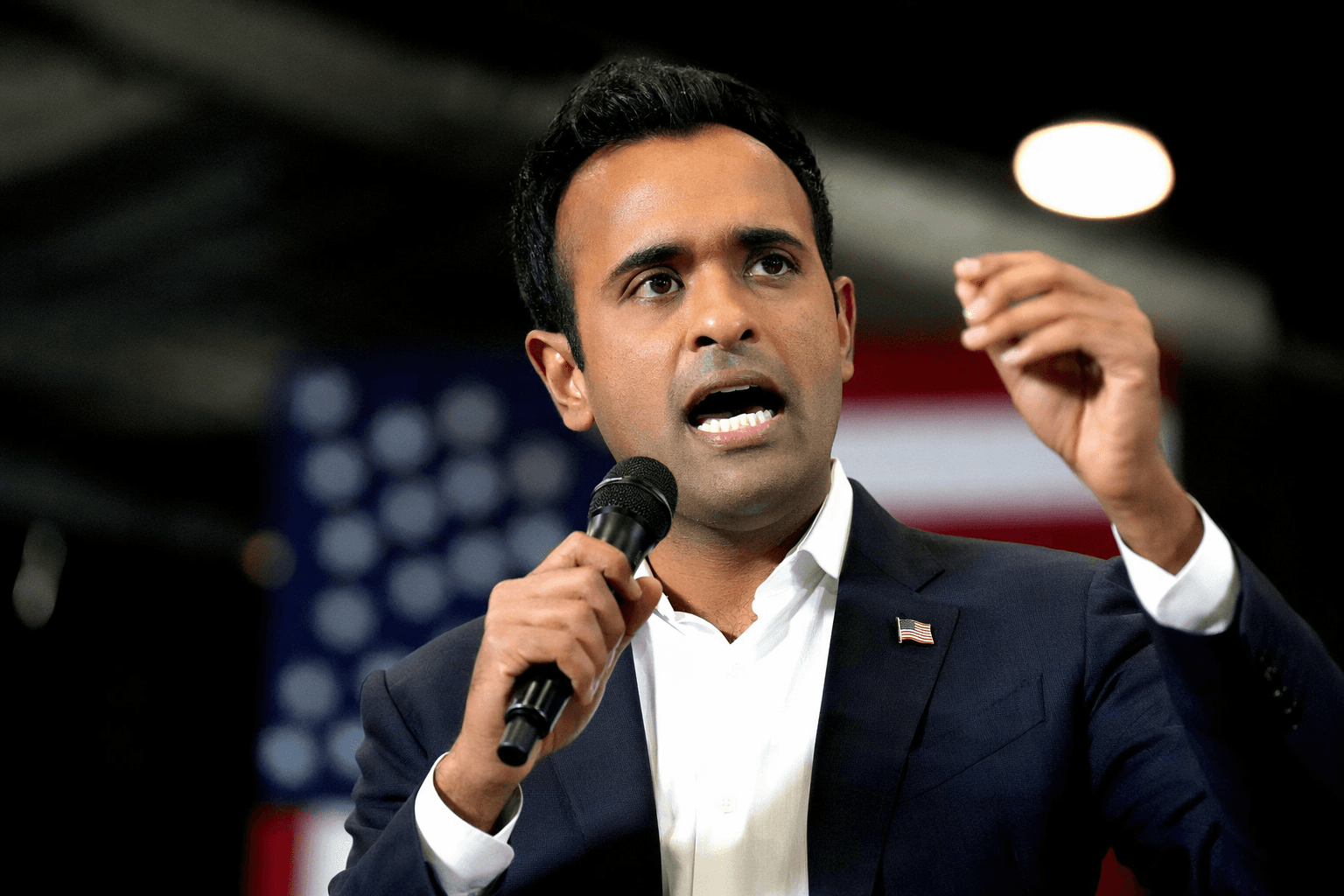
The Ohio results showed how much Republican voters are rewarding candidates who are closely aligned with Trump and how quickly those endorsements still shape the party’s bench. Ramaswamy, a 2024 presidential candidate with close Trump ties, emerged as the standard-bearer in a statewide race that will help gauge whether Trump’s brand still carries over in a general election setting, not just a primary one. Brown’s win, by contrast, gives Democrats a familiar statewide name in a race that will be one of the party’s best chances to contest a seat in a battleground state.
Indiana offered a sharper measure of the same political current. Trump backed challengers to seven Republican state senators who had resisted mid-decade congressional redistricting in 2025, and Trump-aligned groups poured millions into the primary fights. Early reports showed several of those anti-redistricting senators losing, a sign that Republican voters are willing to punish even sitting lawmakers who break with Trump on the party’s push to redraw maps.
That clash mattered beyond state legislatures. In Ohio, the redistricting battle had already produced a new congressional map, adopted by the Ohio Redistricting Commission on October 31, 2025, and used for the first time in the 2026 elections. Together, the Ohio and Indiana contests point to a broader national pattern heading into the fall House, Senate and governor races: loyalty to Trump and support for aggressive redistricting are proving more potent than institutional seniority, and the Republican coalition is rewarding candidates who align themselves with both.
This article was produced by Prism’s automated news system from verified source data, official records, and press releases, then run through automated quality and moderation checks before publishing. The system is built and supervised by the people who set the standards it runs under. Read our full AI policy.
Did this article answer your question?

