Rape survivor calls for public sex offenders register in Scotland
Hayley Watkins has waived anonymity to urge a public sex offenders register in Scotland after her attacker, Jordan Learmonth, was freed in February 2026.
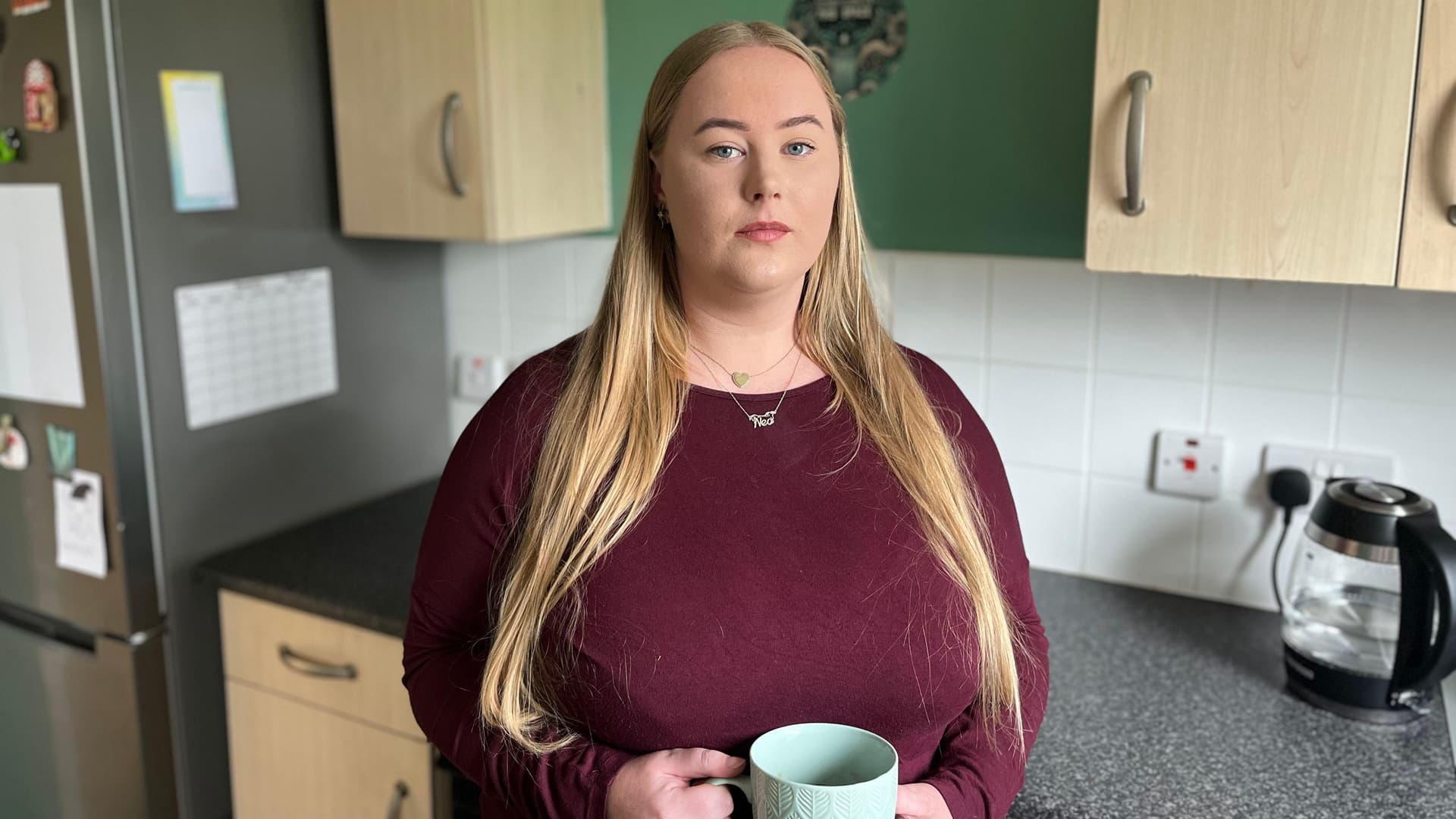
Hayley Watkins has gone public to press for Scotland’s sex offenders register to be opened to the public, arguing that survivors deserve a system that does more than keep convictions behind closed doors.
Watkins, 24, said she was raped by her childhood friend Jordan Learmonth at his home in Castle Douglas, Dumfries and Galloway, in February 2020. Learmonth was 19 at the time. He was later convicted of rape and assault and released from prison in February 2026 after serving three and a half years.
Her case has put a sharp policy question back into view: whether greater public access to sex offender information would improve safety or create new risks. Watkins believes openness would make it harder for offenders to deny what they have done and could give other victims the confidence to come forward.
Scotland does not have a publicly accessible sex offenders register. Convicted offenders’ details are held on the register, but there is no general right for the public to see that information. Instead, registered sex offenders are managed through the multi-agency public protection arrangements, known as MAPPA, which have applied to all registered sex offenders in Scotland since 2007.
The current framework also includes a narrower disclosure route for children. Scotland has a child sex offender community disclosure scheme, which allows parents, carers or guardians who are concerned about a child to ask whether someone may have a history of child sex offences. The Scottish Sentencing Council says there is no general right of public access to sex offender notification information, but information can be requested in certain circumstances involving children under 18.
Supporters of a public register say the present system leaves communities dependent on police-led management and individual requests, rather than giving people direct knowledge about who has been convicted of serious sexual crime. Critics of wider disclosure warn that public registers can encourage vigilantism, make rehabilitation harder and still fail to stop offending before harm is done.
The issue has become more prominent as recent calls have grown for greater openness around sex offender information. Watkins’ case has now added a survivor’s voice to that debate, with the question shifting from whether the public should know, to whether public access would actually prevent future abuse or simply expose more people to collateral harm.
This article was produced by Prism’s automated news system from verified source data, official records, and press releases, then run through automated quality and moderation checks before publishing. The system is built and supervised by the people who set the standards it runs under. Read our full AI policy.
Did this article answer your question?