Raphinha recalls 2002 glory as Brazil targets sixth World Cup title
Raphinha’s journey from Porto Alegre to Brazil’s World Cup stage now carries the weight of a country chasing its sixth title and first since 2002.
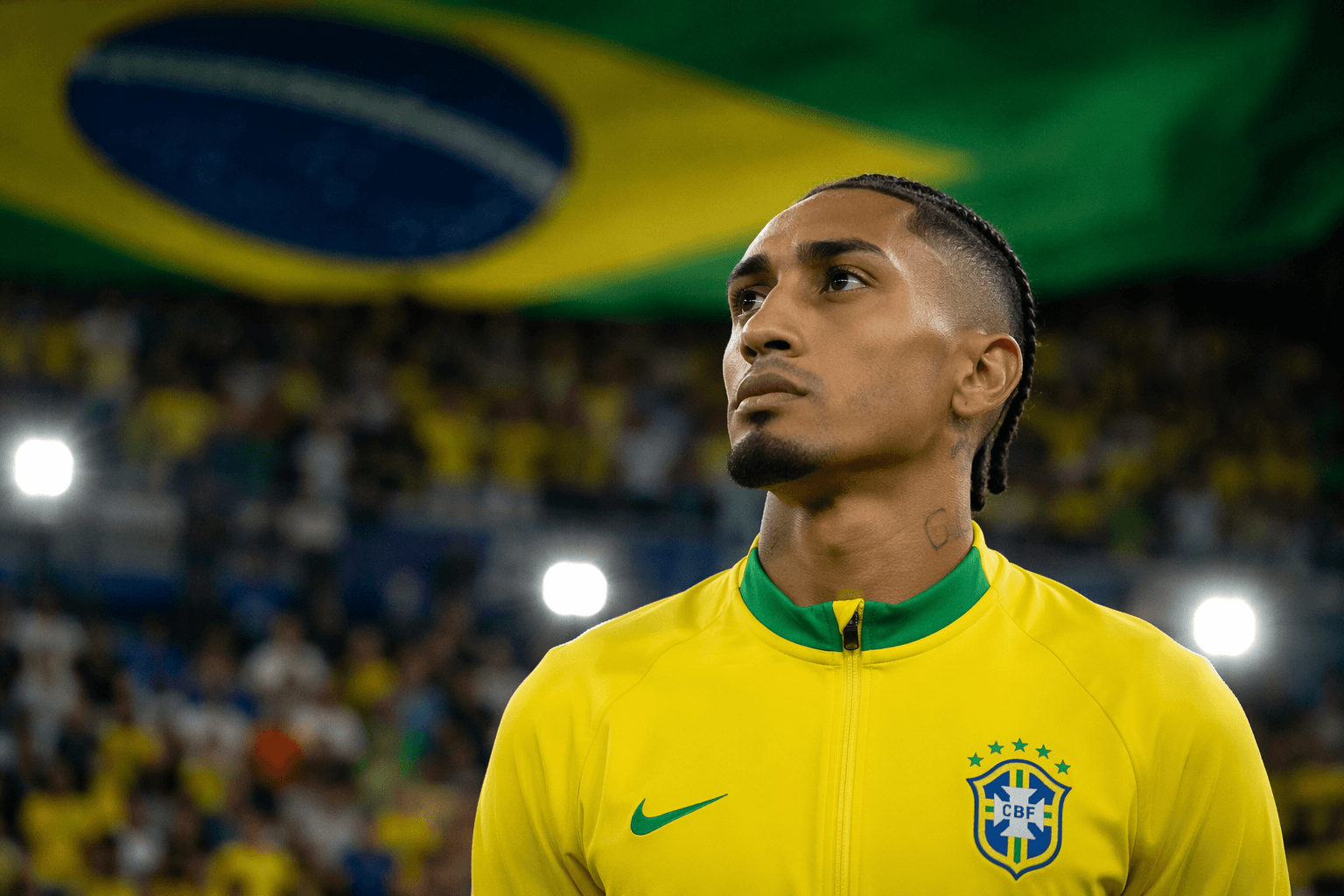
For Brazil, a World Cup is more than a tournament. It is a national ritual loaded with memory, expectation and identity, and Raphinha enters it as one of the faces asked to carry that burden after growing up far from the game’s biggest stage in Porto Alegre, Rio Grande do Sul. He has spoken about the emotion of wearing the yellow shirt and about the 2002 title he remembers alongside his grandmother, a personal recollection that mirrors the larger hope surrounding a country that measures itself by World Cup crowns.
Brazil arrives with history that borders on obligation. The Seleção will play its 23rd consecutive World Cup and its 23rd in total, the only national team to appear in every edition of the competition. The target is clear: a sixth world title and a first since 2002. Brazil’s longest gap between titles was 24 years, between 1970 and 1994, and the country now heads into the 2026 tournament in North America looking to end another long wait. It finished fifth in South American qualifying and claimed one of CONMEBOL’s six direct places.
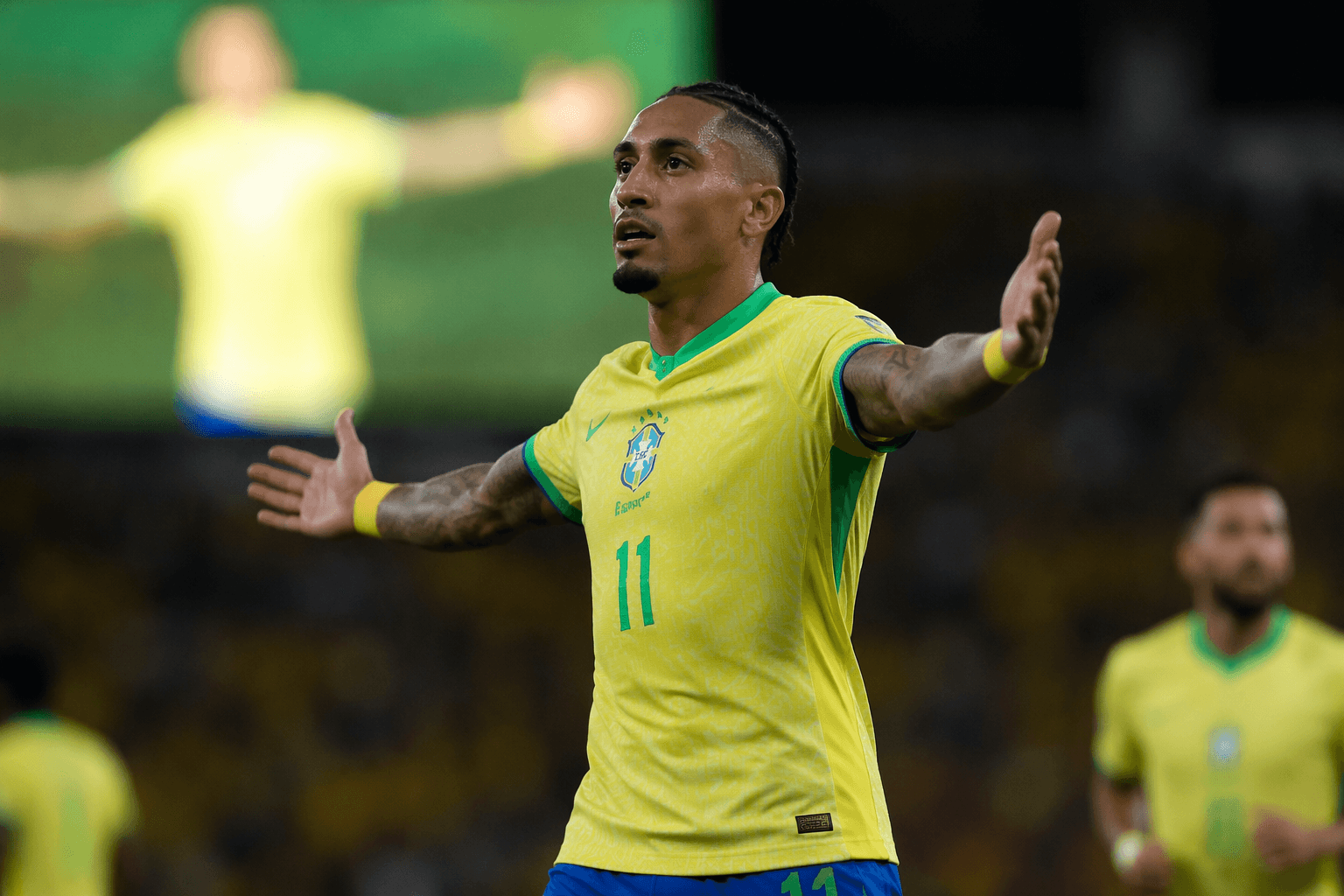
Raphinha’s route to this stage has been defined by persistence. He left Brazil for Europe in February 2016, before turning 20, and built his career through Vitória de Guimarães, Sporting CP, Rennes, Leeds United and FC Barcelona. FIFA describes him as one of the most prominent players in the current Brazil squad, a status reinforced by his season in Europe: he finished 2024/25 as the UEFA Champions League’s top scorer and became the first Brazilian to be named La Liga’s best player after the same campaign. He also stood among the finalists for FIFA’s The Best award.
His rise was not straightforward. As a child and teenager, doubts about his slim frame were serious enough that he considered giving up football. That background gives added weight to his current role in Brazil, where his value has grown because of versatility. At Barcelona, he has played on both wings and as a No 10. In October 2024, Brazil used him in a more central position, and he responded with two goals in a 4-0 win over Peru in Brasilia after an impressive display against Chile.
That adaptability matters again as Brazil prepares for a Group C campaign against Morocco, Haiti and Scotland. Carlo Ancelotti, the first foreign coach to lead Brazil at a World Cup, has identified Raphinha as a player who can decide matches. Vinícius Júnior has said his movement opens the field and makes Brazil’s attack easier to sustain. For a nation that treats World Cup football as part of its civic identity, Raphinha now stands at the intersection of personal redemption and national demand.
This article was produced by Prism’s automated news system from verified source data, official records, and press releases, then run through automated quality and moderation checks before publishing. The system is built and supervised by the people who set the standards it runs under. Read our full AI policy.
Know something we missed? Have a correction or additional information?
Submit a Tip