Rapid Cyclone Brings Blizzards, Freezing Rain and Widespread Disruption
A rapidly intensifying winter cyclone moved east across the Plains into the Upper Midwest and Northeast on December 28 and 29, stranding travelers and putting tens of millions under winter alerts. The storm produced heavy snow, dangerous ice, gale force winds and thousands of flight cancellations during a busy holiday travel period, raising short term economic and energy stresses across a broad swath of the country.
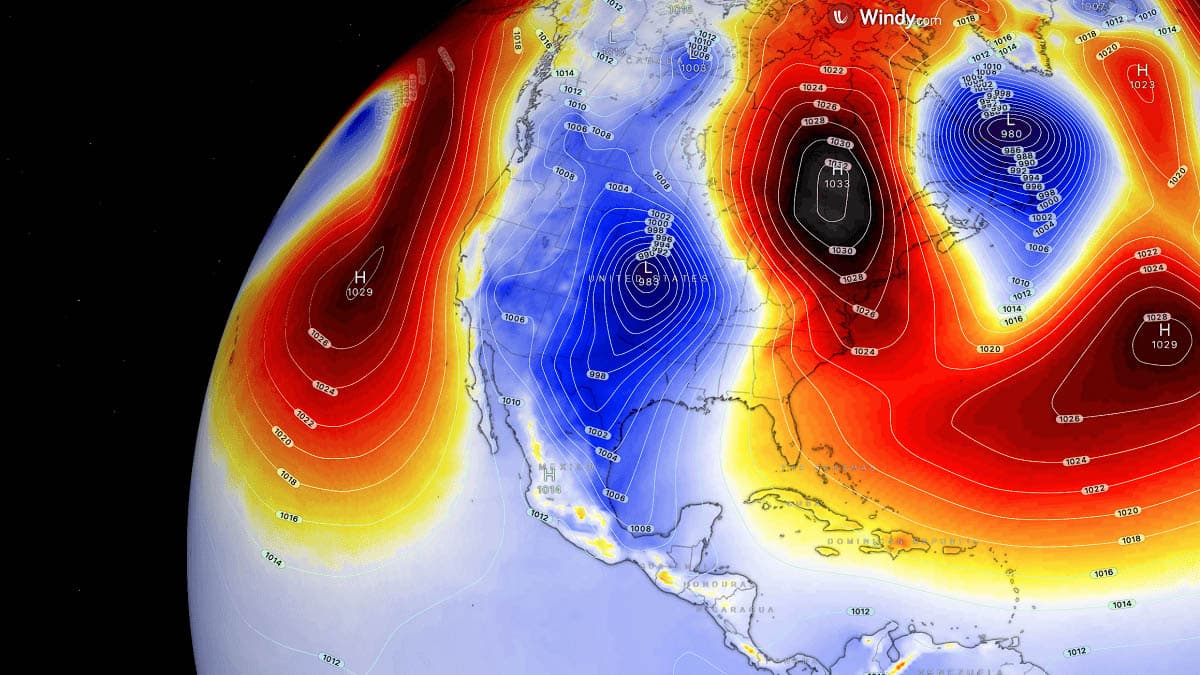
A powerful winter storm accelerated eastward from the Plains across the Upper Midwest, the Great Lakes and into the Northeast on December 28 and 29, bringing heavy snow, freezing rain, strong winds and isolated severe thunderstorms. An Associated Press dispatch described the system as an "intense cyclone" as forecasters warned that the clash between frigid Canadian air and unusually warm air over the southern United States fueled rapid intensification and a wide mix of precipitation types.
Meteorologists reported gusts near 40 miles per hour in parts of the Plains and Upper Midwest, raising blizzard and whiteout risks where heavy snowfall coincided with strong winds. Social media and forecast posts flagged extreme totals in parts of Wisconsin and Michigan, where meteorologist Max Velocity warned on X that two to three feet of snow was possible in some locales. New York City locations recorded measurable snowfall, with Central Park reporting 4.3 inches. Forecasters stressed the danger of freezing rain and sleet where warm and cold air met, creating hazardous ice accumulations for roads and power lines.
The storm prompted widespread travel disruption at a critical holiday junction. Flight tracking and airline data cited by multiple outlets showed at least 4,400 cancellations in the United States since Friday according to FlightAware, while network coverage and aggregated notices reported several thousand additional delays and cancellations on Sunday. NBC News said that by midday Sunday more than 6,000 flights were delayed and over 500 were canceled into or out of the United States. The Federal Aviation Administration imposed a ground delay at Minneapolis Saint Paul International Airport that was initially expected to last until 11 59 p.m. Central Time with an average delay of about 3 hours 9 minutes. Thousands of motorists also faced perilous highway conditions as blizzard conditions and ice rendered some corridors impassable.
Authorities and national outlets placed tens of millions of people under winter weather alerts as the storm advanced. NBC estimated roughly 52 million people under warnings from the northern Plains to New England, while other trackers put the number near 40 million as watches and warnings evolved with the storm. Affected regions included Iowa, Minnesota, the Dakotas, Wisconsin, Michigan, the Ohio Valley and the Northeast, with warm sector severe weather risks in parts of the South.
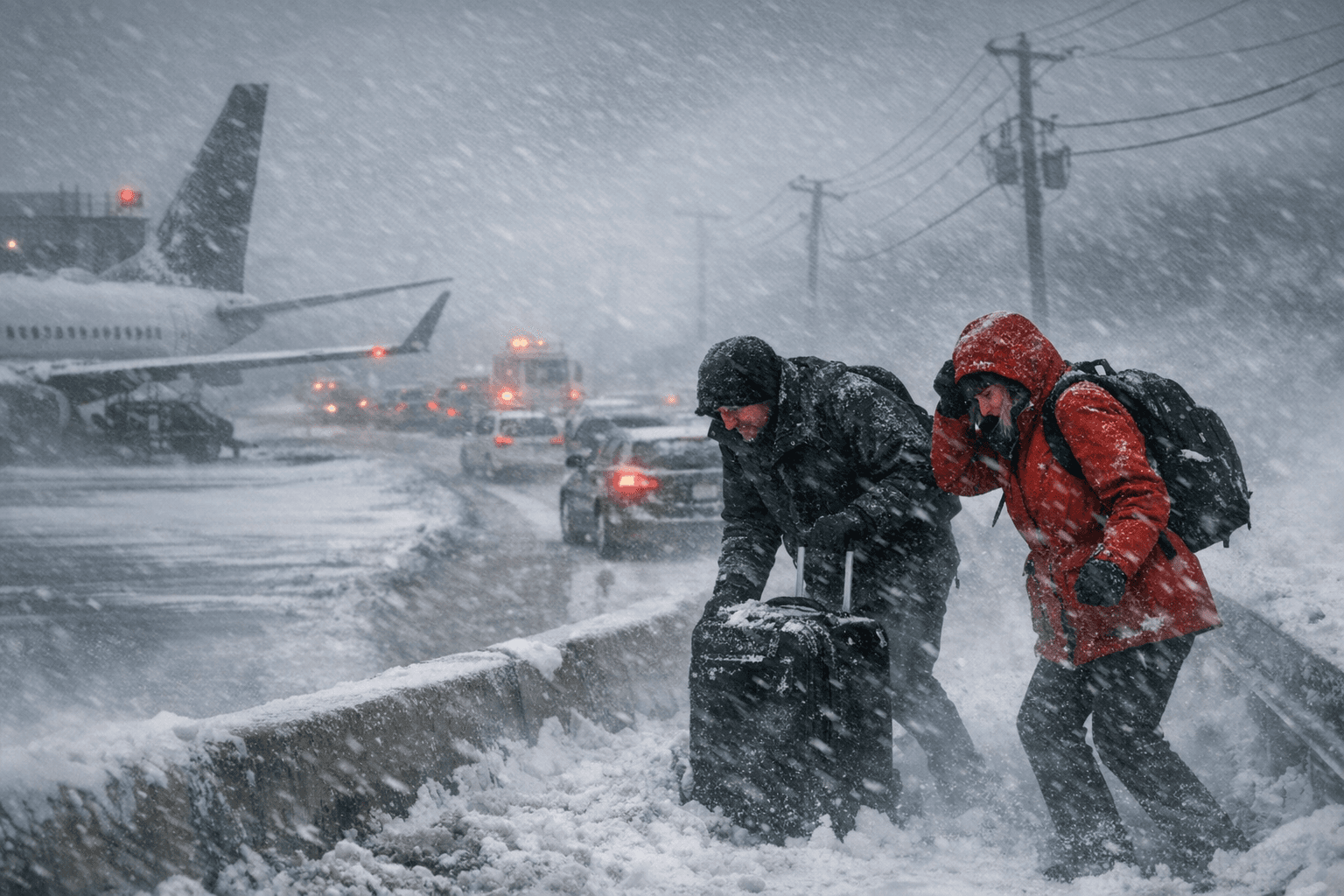
Beyond immediate disruption, the storm carried economic and infrastructure consequences. Airline cancellations and delays add to industry losses in a peak travel period, ground freight and last mile deliveries face disruption, and ice driven power outages threaten heating infrastructure and create short term surges in energy demand. Officials urged travelers to monitor forecasts and avoid unnecessary travel while emergency crews prepared for road clearing and power restoration.
The system followed a week of intense weather in the West where California storms earlier in the week produced heavy rain, flash flooding and mudslides and were linked to at least four deaths according to the Los Angeles County Sheriff’s Department. Forecasters and climate scientists note that a warmer atmosphere can hold more moisture and amplify extreme precipitation events, a trend that complicates winter preparedness and heightens the costs of storms that cross densely populated corridors.
This article was produced by Prism’s automated news system from verified source data, official records, and press releases, then run through automated quality and moderation checks before publishing. The system is built and supervised by the people who set the standards it runs under. Read our full AI policy.
Did this article answer your question?

