Rare 6.1 earthquake off Cuba shakes Florida, Mexico and Caribbean
A shallow 6.1 quake off Cuba jolted Florida and Mexico, a rare inland-plate event not matched nearby since 1880.

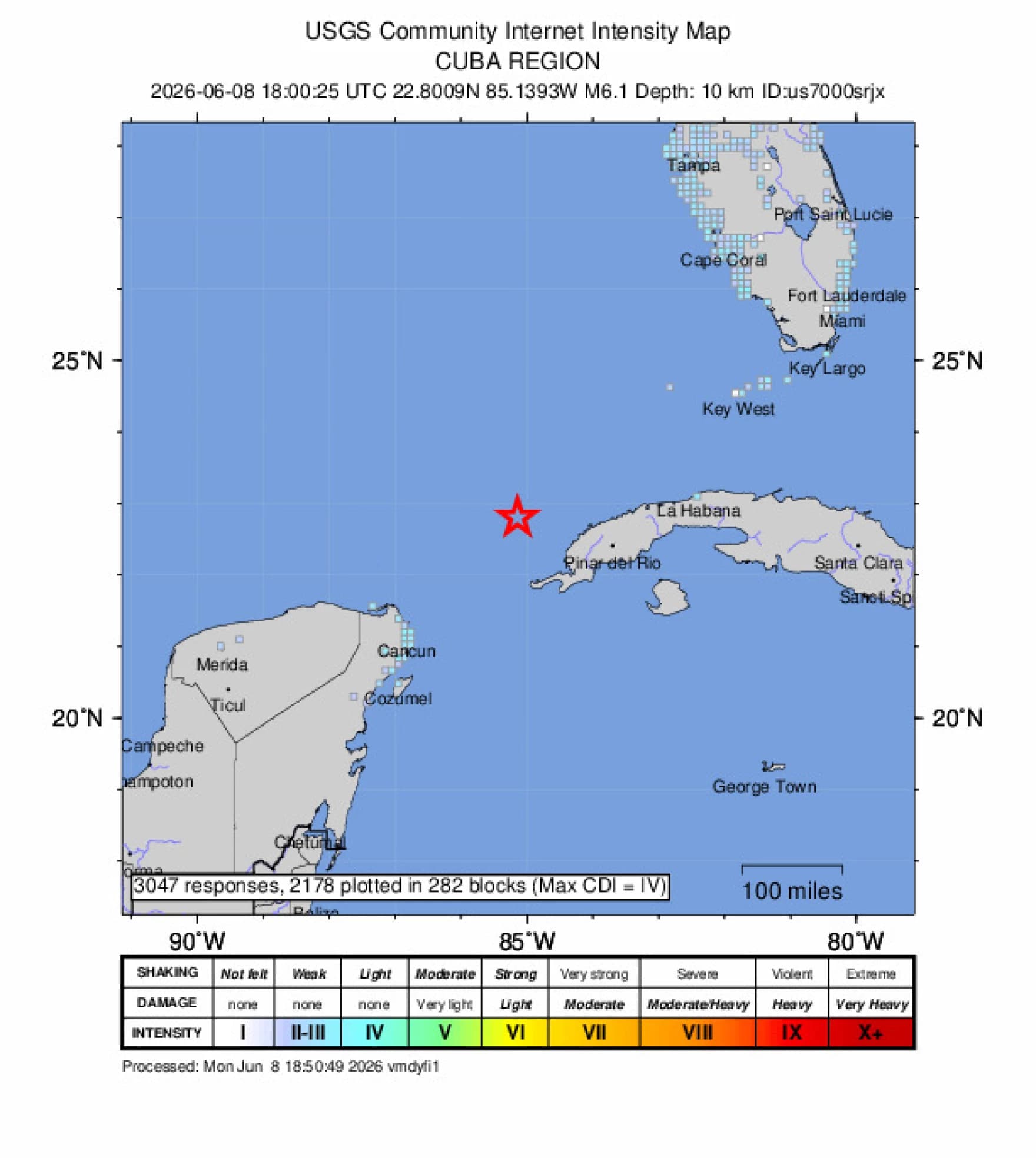
A shallow magnitude 6.1 earthquake off Cuba’s northwest coast rattled a wide stretch of the Caribbean and reached Florida, an unusual jolt in a region that is not known for frequent major quakes. The U.S. Geological Survey said the tremor struck about 26 kilometers below the surface, roughly 104 kilometers west-northwest of Mantua, Cuba, and was caused by reverse faulting beneath the Gulf of America within the North America plate.
What made the quake stand out was not only its size but its setting. USGS seismologist Paul Earle said it occurred within a tectonic plate rather than at a plate boundary, where the largest and most familiar earthquakes usually strike. Earle also said no earthquake this strong had occurred within 322 kilometers of the event since 1880, underscoring how rarely the region experiences shaking of this scale.
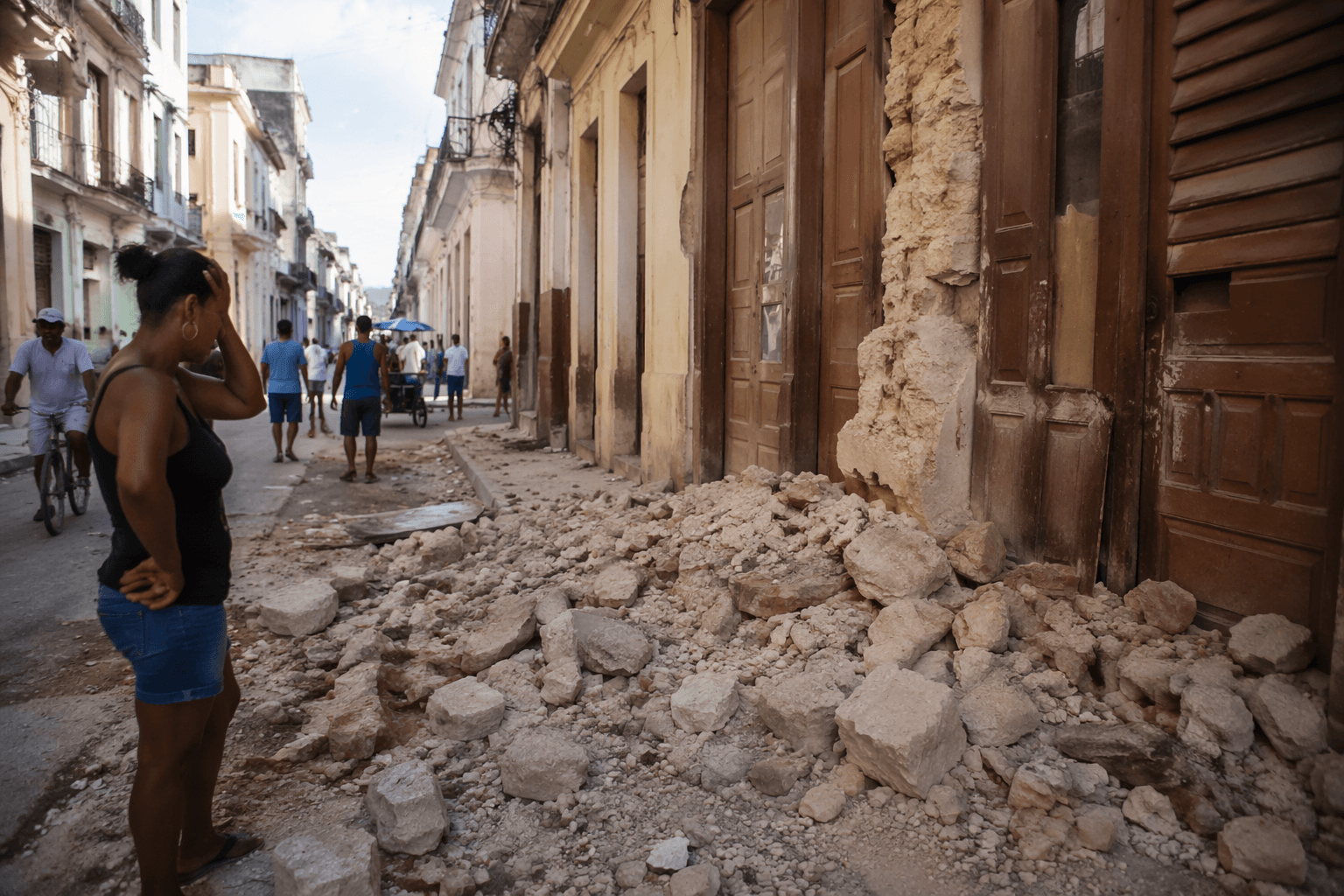
The quake was felt across resort towns in Mexico, including Cancun, Playa del Carmen and Tulum, where images and follow-up reports showed evacuations in Cancun after the shaking began. Some reports said hotels, public buildings and airport areas in the Riviera Maya were cleared as a precaution. The U.S. Geological Survey said the quake had a low likelihood of causing damage, but it warned that aftershocks were possible and urged people who felt the shaking to submit reports through its “Did You Feel It?” survey.
In Florida, the shaking was reported from south Florida as far north as Tallahassee. Local reports said some buildings in Miami and Tampa were evacuated, even as officials reported no immediate major injuries, significant damage or tsunami threat. No tsunami warning or watch was issued, according to the National Weather Service.
The event is a reminder that preparedness cannot be limited to the places most associated with earthquakes. Coastal tourism centers in Cuba, Mexico and Florida face a different kind of risk profile than the West Coast, but the combination of shallow depth, broad reach and rare regional history showed how quickly a surprise seismic event can disrupt daily life. The CDC’s standard guidance remains relevant after a quake like this: aftershocks can follow, and anyone in a tsunami-risk area should move inland and to higher ground immediately.
This article was produced by Prism’s automated news system from verified source data, official records, and press releases, then run through automated quality and moderation checks before publishing. The system is built and supervised by the people who set the standards it runs under. Read our full AI policy.
Know something we missed? Have a correction or additional information?
Submit a Tip